


Botox (Botulinum Therapy)
Botulinum toxin type A
Measured units relax specific muscles: forehead and frown lines, crow’s feet, brow lift, gummy smile, chin dimpling and masseter work after assessment.

Treatment category
Explore the injectable treatments we run at MED YU MED, see what each one is for and check prices by preparation or zone. Not sure where to start? Book a consultation and a doctor will go through your concerns and the options.
Dermatological consultation — 300 AED: examination, diagnosis and a treatment plan.
DHA-licensed doctors · Bluewaters Island 6, Dubai · daily 10:00–22:00
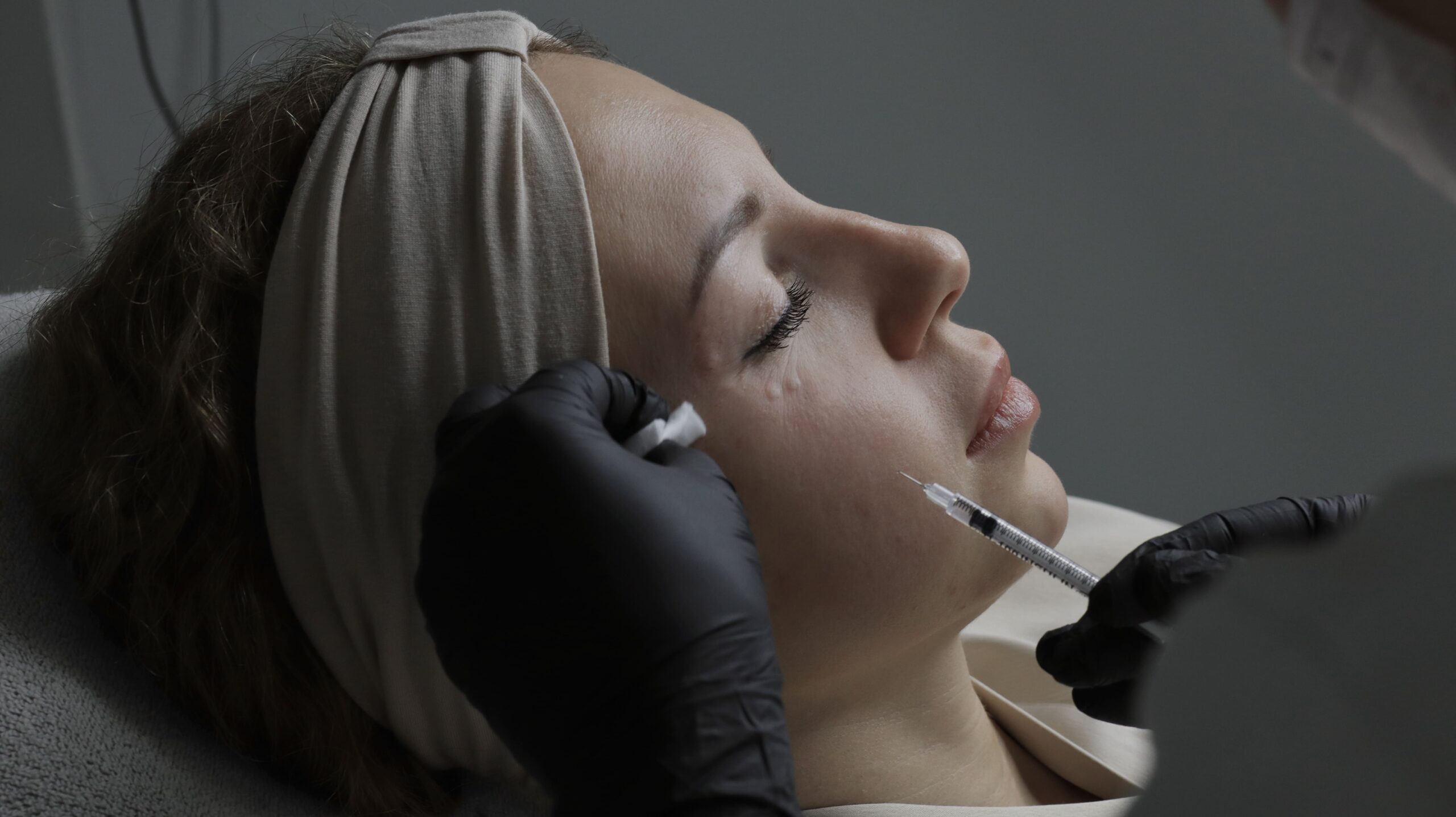
Pick a treatment by name, or filter the list by what you want to change. Prices below are starting points, shown together with the zone or protocol they refer to.
Botulinum toxin type A
Measured units relax specific muscles: forehead and frown lines, crow’s feet, brow lift, gummy smile, chin dimpling and masseter work after assessment.

Injectable skin boosters
Hyaluronic acid and PDRN-based boosters for hydration, skin quality and fine lines. The preparation is chosen by skin condition at the consultation.

Mesococktail injections
Cocktails with hyaluronic acid, vitamins, amino acids and peptides for skin quality, and a supportive protocol for the scalp.

Collagen stimulators
Stimulators such as Sculptra, Radiesse, Juvelook and Aesthefill. The change builds over the following months rather than on the day of the visit.

Autologous plasma
Platelet-rich plasma prepared from your own blood sample, used in protocols for skin quality and for the scalp.

Regenerative protocols
Exosome protocols for skin quality, post-procedure recovery and scalp support. Face and hair protocols are priced the same.

Fat-dissolving injections
PB Serum Slim injected into localised fat, priced by the number of zones. A local correction, not a weight-loss method.

Botulinum toxin type A
Botulinum toxin for excessive sweating. Dosing is per area and the plan is set after assessment.

Enzyme correction
Dissolving unwanted hyaluronic acid filler after migration, overfilling, lumps or asymmetry. Non-hyaluronic and permanent fillers do not respond and need another approach.
Filters group treatments by the concerns listed on each treatment page. They help you navigate the list; suitability is decided by a doctor at the consultation.
Injectables are often planned together with a device treatment in one visit, for example BBL with biorevitalisation and a peel, or Endolift with Morpheus8 and a collagen stimulator. Such plans are priced as a single protocol.
From 2 900 AED — HydraFacial + BBL + Heleo4 LED
Related sections: Fillers and contouring · Laser and device treatments · Aesthetic cosmetology · Full price list
Botulinum toxin works on muscle activity, boosters and mesotherapy on hydration and skin quality, collagen stimulators through the skin’s own response over months, and autologous protocols use your own blood sample. The table sums up what each group is used for and what to keep in mind.
| Group | Treatments | Mainly used for | Worth knowing |
|---|---|---|---|
| Botulinum toxin | Botox, Dysport, Nabota | Expression lines, brow lift, masseter work, excessive sweating | Acts on muscle rather than volume, and the effect is temporary |
| Skin boosters and mesotherapy | Biorevitalization, mesotherapy | Hydration, skin quality, fine lines, scalp support | Usually a short course; the preparation is chosen by skin condition |
| Collagen stimulators | Sculptra, Radiesse, Juvelook, Aesthefill | Firmness and structure of the mid and lower face | The change builds over months, not on the day of the visit |
| Autologous and regenerative | PRP plasma, exosomes | Skin quality, recovery and scalp protocols | PRP is prepared from your own blood sample during the visit |
| Fat-dissolving injections | PB Serum Slim | Localised fat in small zones | Priced per zone; it is a local correction, not weight loss |
| Enzyme corrections | Filler dissolving | Migration, overfilling, lumps or asymmetry after HA filler | Non-hyaluronic and permanent fillers do not respond |
There is no single price for an injectable treatment. Botulinum toxin is priced per unit, boosters and mesotherapy by the preparation and its volume, plasma by the number of tubes, and fat-dissolving injections by the zone. That is why each card above shows a starting price together with the position it belongs to, rather than one number for the whole category.
A quoted price is not a treatment plan: the number of zones and sessions is agreed at the consultation. Every position is in the full price list.
Injectables at MED YU MED are performed by doctors. Each profile lists their education, DHA licence and training certificates.
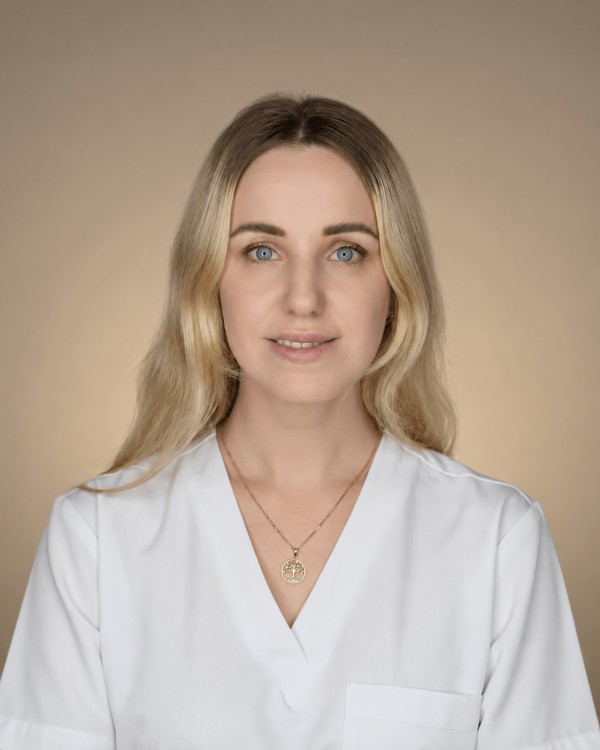 Dr. Alina LebedevaGeneral Practitioner, Aesthetic Medicine Doctor
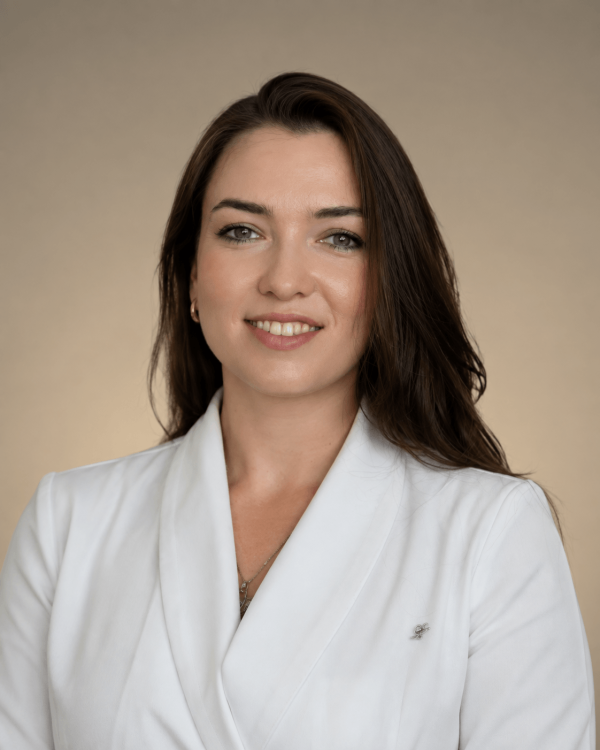 Dr. Karina AbdullinaGeneral Practitioner, Aesthetic Medicine Doctor
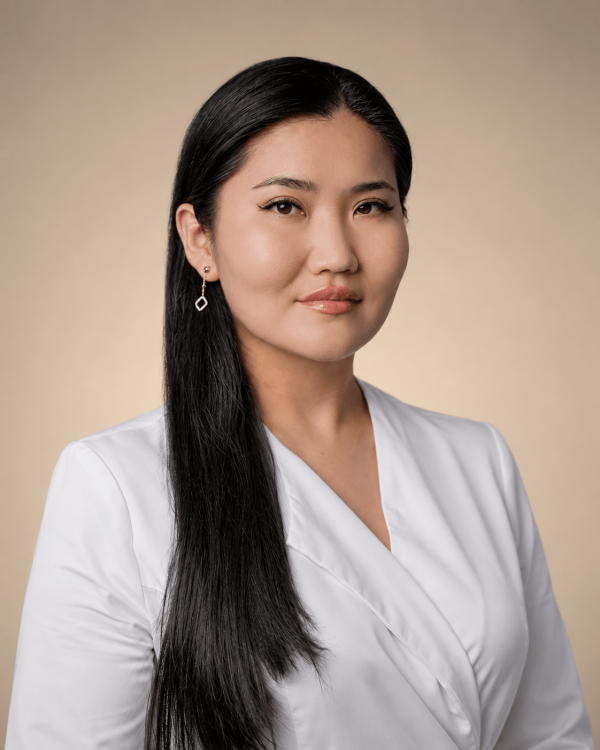 Dr. Zhibek RakhimbekovaGeneral Practitioner, Aesthetic Medicine Doctor
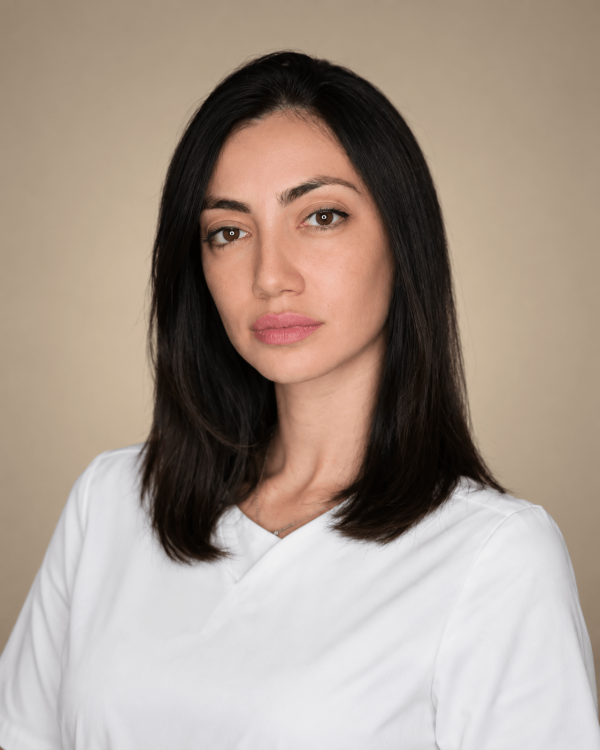 Dr. Fariza DzgoevaGeneral Practitioner, Aesthetic Medicine Doctor
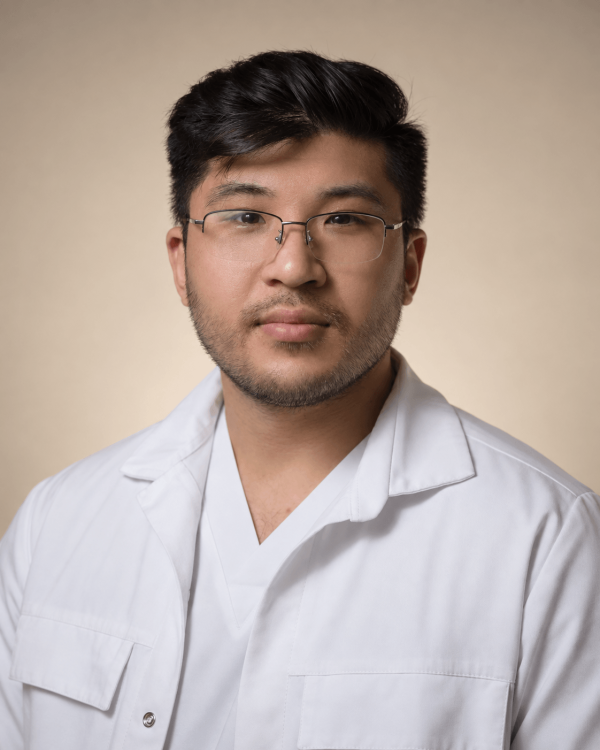 Dr. Ilias DautovGeneral Practitioner, Aesthetic Medicine Doctor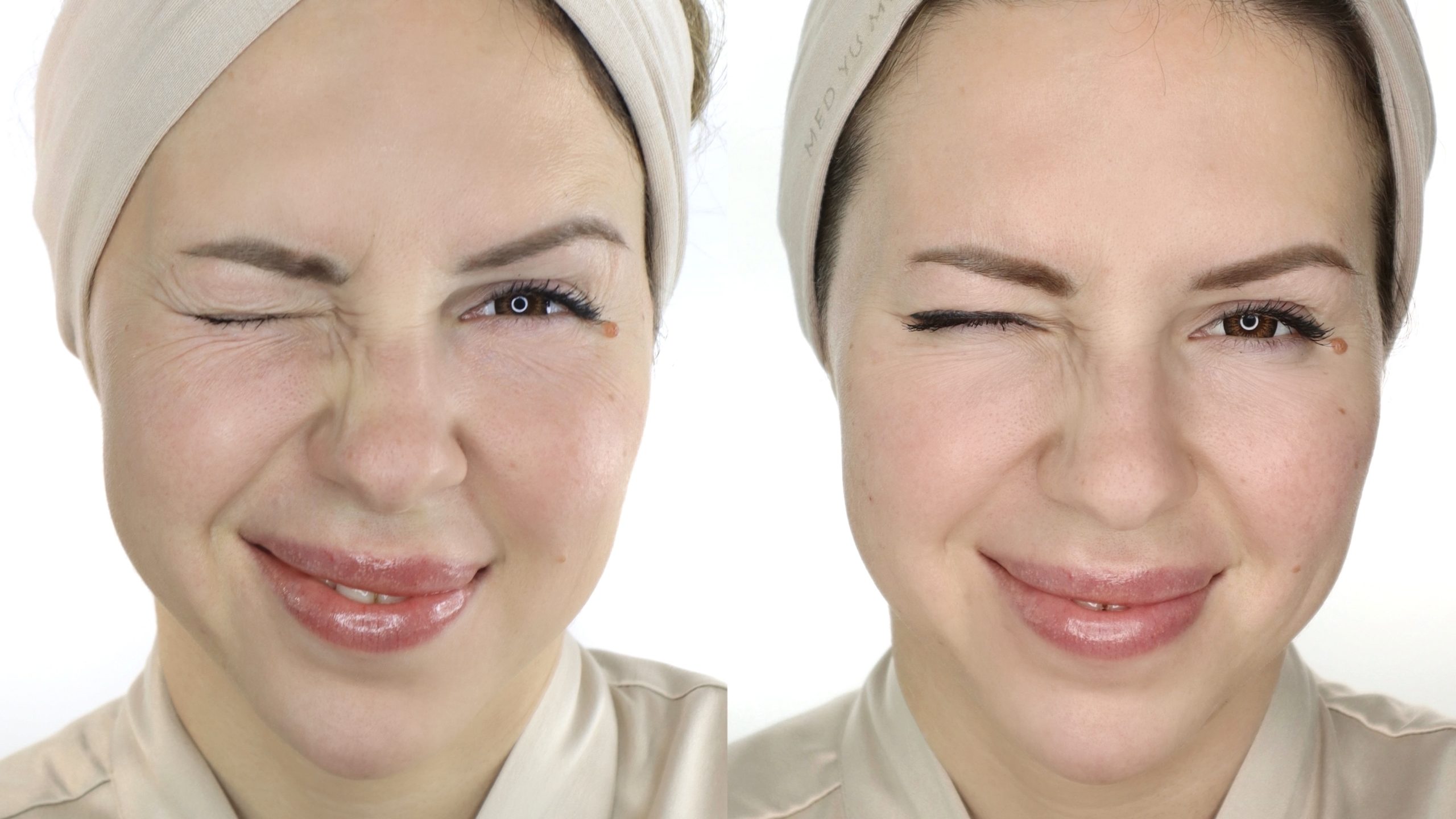
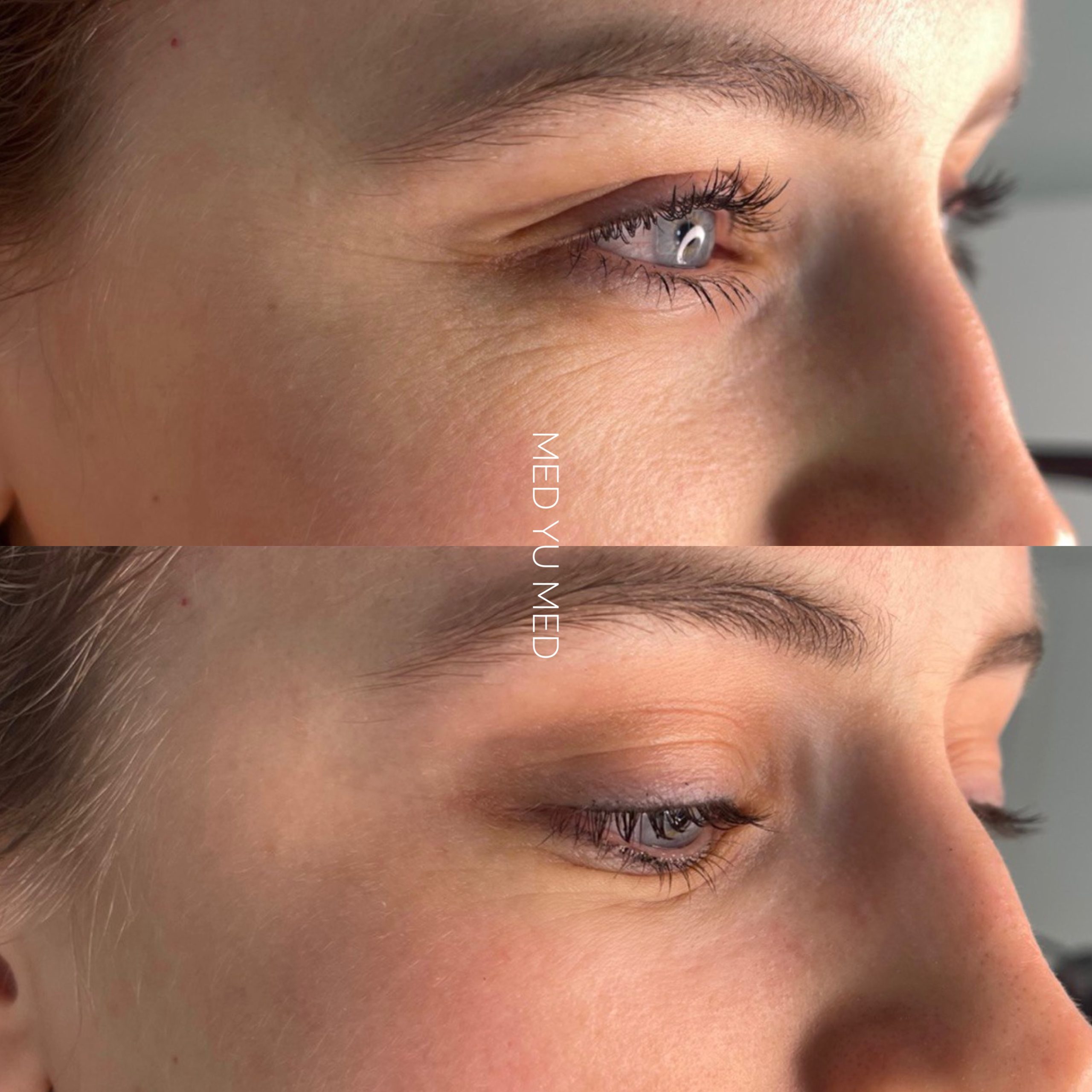
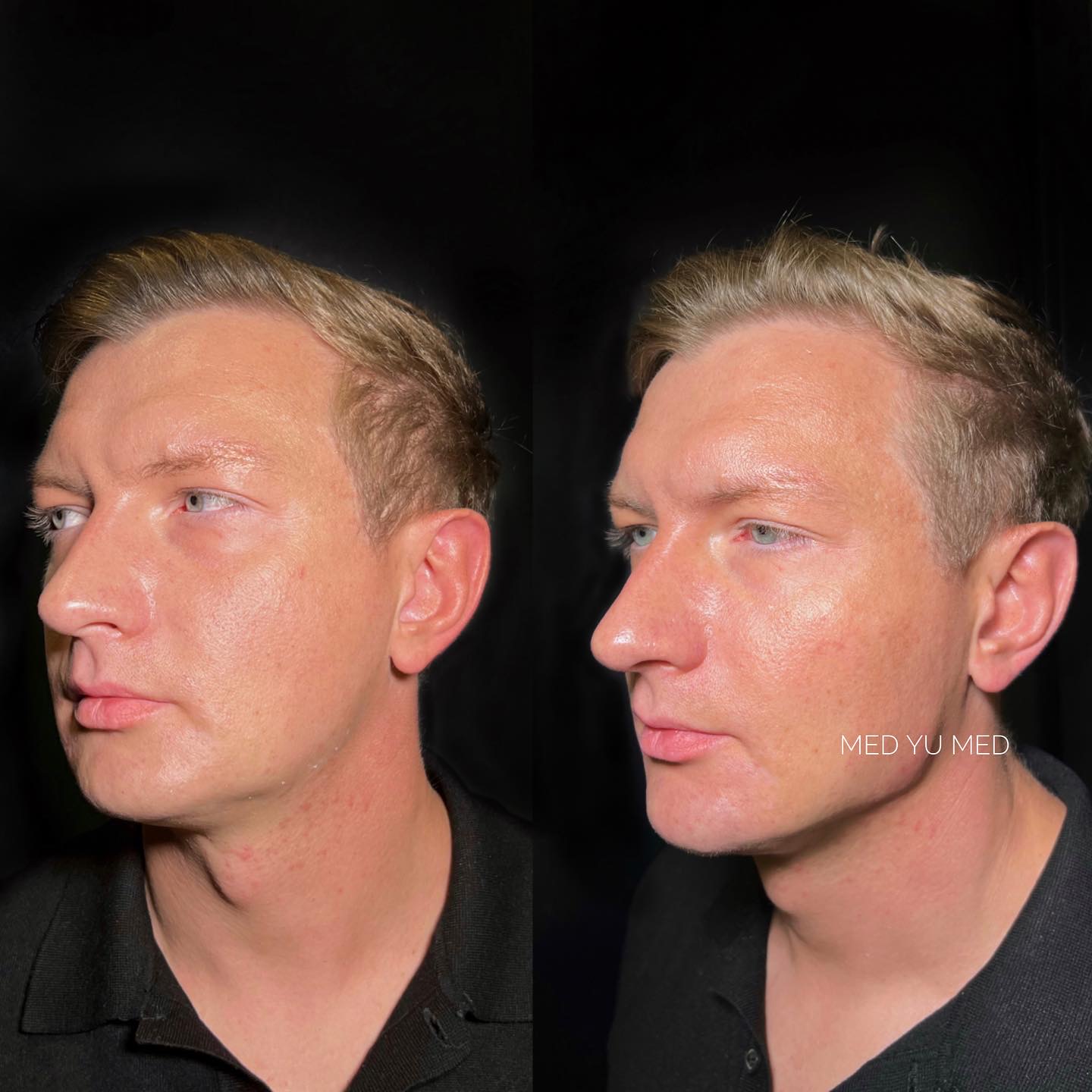
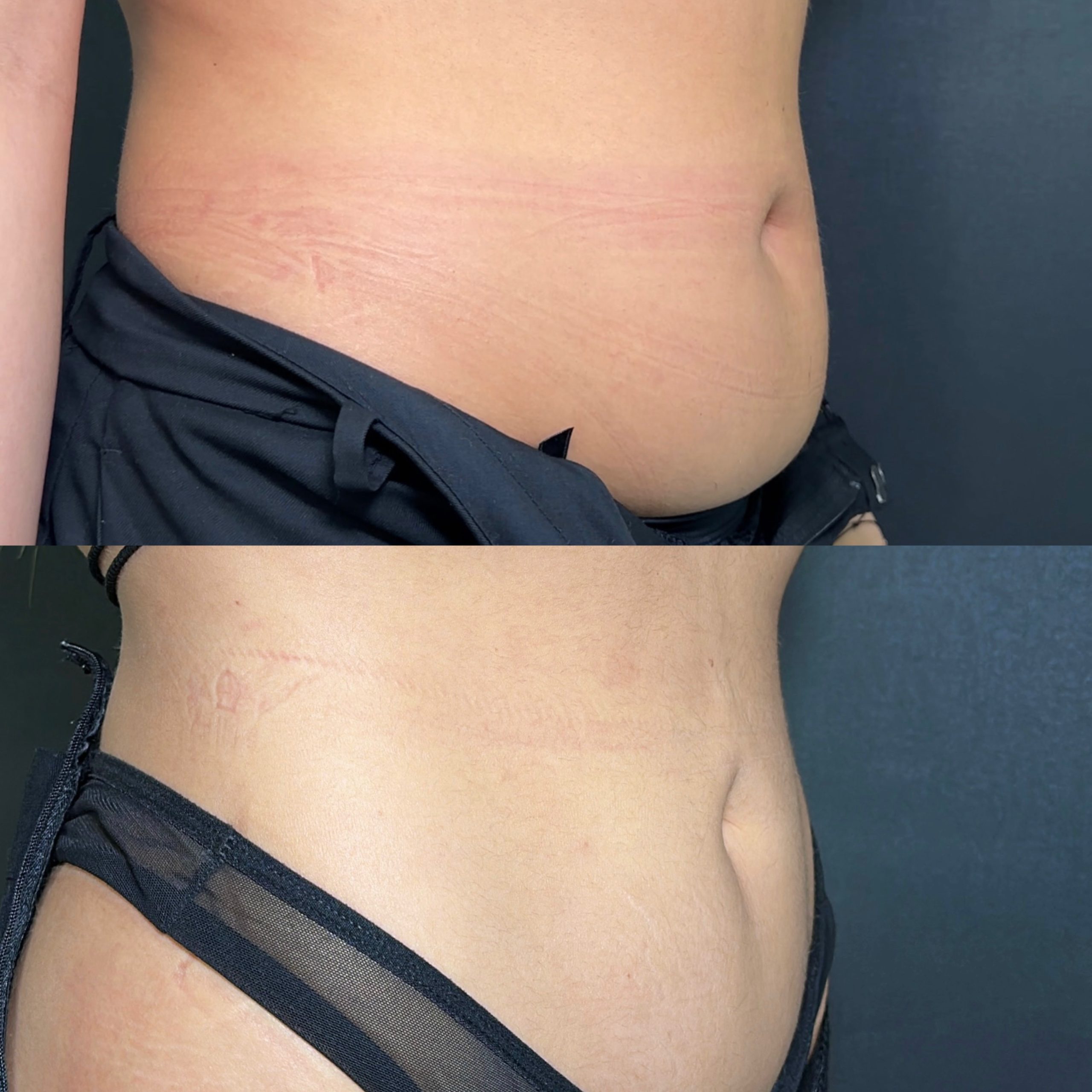
Photos from our practice. Results differ from person to person, and the doctor confirms the number of sessions at your consultation.
Start from the concern. Expression lines are botulinum toxin territory; dryness and dull skin are usually boosters or mesotherapy; loss of firmness points to collagen stimulators; hair and scalp protocols use plasma, exosomes or mesotherapy. The doctor confirms the choice after examining the skin.
Yes. Book a consultation and describe the concern. The doctor examines the skin, reviews your medical history, medication and previous injections, and then suggests the preparation, the zones and a realistic number of sessions.
Botulinum toxin is priced per unit, so the cost depends on the number of units for your zones. Boosters and collagen stimulators are priced per syringe or vial, plasma per tube, and fat-dissolving injections per zone. Each card shows a starting price with the position it refers to; the full price list carries every position.
It depends on the treatment, the preparation and on you. Botulinum toxin is temporary and repeats on a schedule, boosters are usually planned as a course, and collagen stimulators build over months. The doctor gives a realistic range at the consultation rather than a fixed promise.
Small injection marks, redness or swelling are common on the day and usually settle quickly; bruising is possible. What to expect for a specific treatment, and the full list of contraindications, is on its own page.
Say the date at the consultation. Some treatments need a few days for swelling or bruising to settle, and stimulators develop over weeks, so the plan is built around your calendar.
Not sure which treatment to choose? Discuss your concerns with our team and see the options before deciding.
Book a consultationEvery treatment on this page is a medical procedure with contraindications and possible side effects, listed on its own page. Final suitability is determined by a clinician at an in-person assessment at MED YU MED, Bluewaters Island, Dubai. MEDYUMED MEDICAL CLINIC LLC · DHA Licence 6589480 · open daily 10:00–22:00. Outside our hours, urgent problems go to the nearest emergency department or 998.
