3 skin care treatments at MED YU MED
Pick a treatment by name. Prices below are starting points, shown together with the zone or protocol they refer to.

Device-assisted cleansing and infusion
Cleansing, exfoliation, extraction and serum infusion in one protocol for congested, dull or dehydrated skin. Basic, Deluxe and Platinum protocols differ in what is included; a peel can be added in the same visit.
From 700 AEDHydraFacial face; course 5+1 — 3 500 AEDFace · T-zone · nose · chin · forehead · cheeks · décolleté · neck, if in the protocol
Treatment details & prices

Manual and device cleansing
Deep pore cleansing for blackheads, whiteheads and congestion: manual extraction combined with device-assisted steps. The specialist assesses pore congestion, sensitivity and acne activity before choosing the protocol.
From 900 AEDcombined cleansing, faceFace · T-zone · nose · chin · forehead · cheeks · décolleté · back
Treatment details & prices

Chemical exfoliation
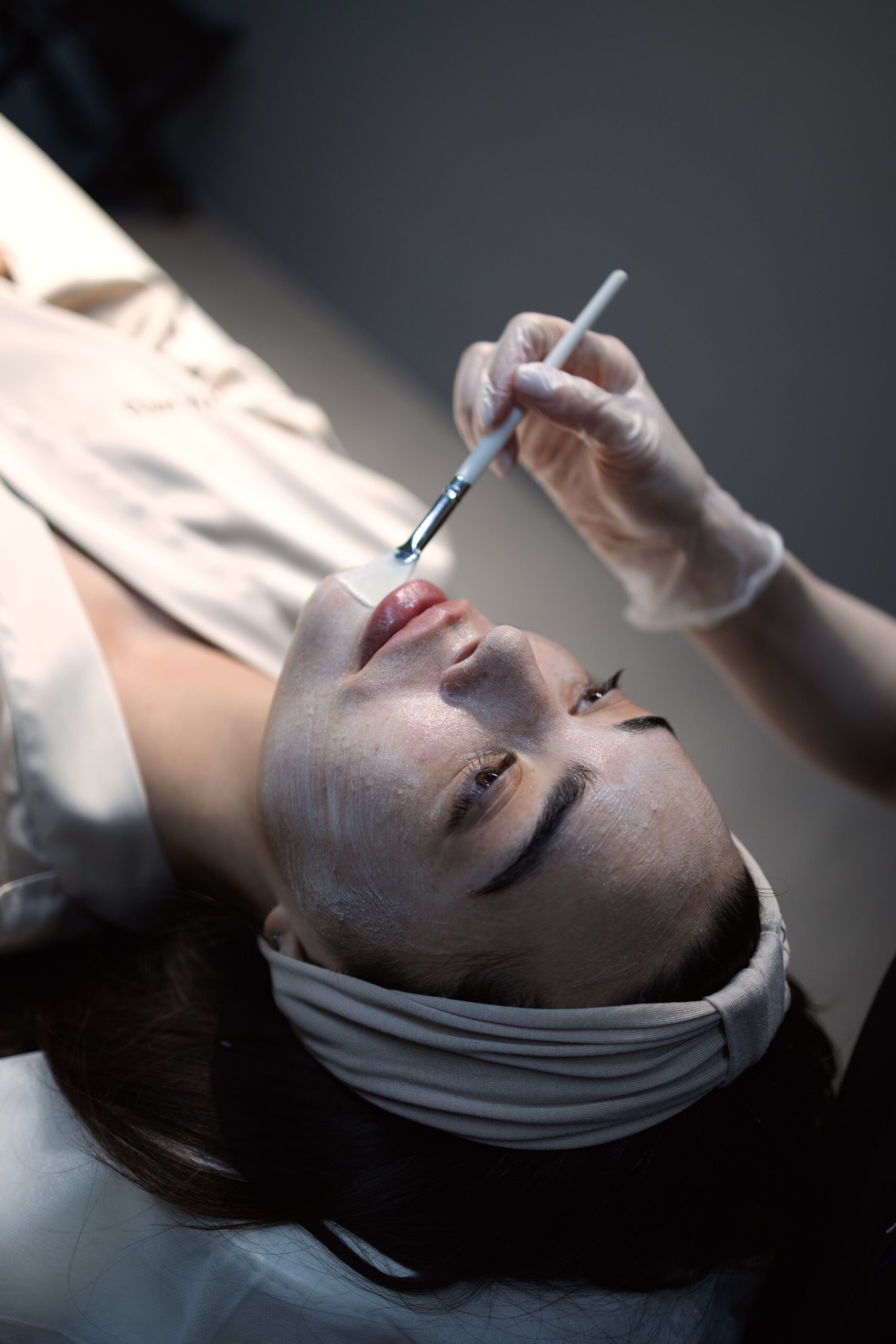
An acid formula exfoliates the surface and supports renewal. PRX-T33, BioRePeel and APPEX are used for texture, dullness and post-acne marks; ME Line protocols are used for pigmentation and uneven tone.
From 550 AEDPRX-T33, BioRePeel or APPEX, one sessionFace · forehead · cheeks · chin · neck · décolleté · underarms and intimate area, after assessment
Treatment details & prices
Combined protocols
Cleansing and peels are often planned together with a device treatment in one visit — for example HydraFacial with BBL and LED therapy, or a cleanse followed by PRX-T33. Such plans are priced as a single protocol.
From 2 900 AED — HydraFacial + BBL + Heleo4 LED
Combined aesthetic protocols and prices →
Related sections: Injectable treatments · Laser and device treatments · Fillers and contouring · Full price list
How the three differ
Cleansing works at the surface, peels go deeper by design and their depth decides everything, and HydraFacial combines cleansing with serum infusion in one visit. The table sums up what each one is used for and what to keep in mind.
| Treatment | Treatments | Mainly used for | Worth knowing |
|---|
| HydraFacial | Basic, Deluxe, Platinum; with PRX-T33 or IMAGE peel | Congestion, dullness, dehydration, uneven texture | Minimal downtime; a course holds the effect better than a single visit |
|---|
| Facial cleansing | Combined cleansing, with PRX-T33, mechanical back cleansing | Blackheads, whiteheads, clogged pores, oily skin | Not performed over an active acne flare or a rosacea flare |
|---|
| Chemical peels | PRX-T33, BioRePeel, APPEX, ME Line | Texture, post-acne marks, pigmentation, uneven tone | Depth decides downtime; sun protection is part of the treatment |
|---|
How prices work here
Prices start from the shortest protocol or the smallest zone. HydraFacial and peels are priced by protocol, cleansing by the area and by whether a peel is added to it. Courses are priced separately: HydraFacial for the face is 700 AED for a session and 3 500 AED for a course of five plus one. That is why each card shows a starting price together with the position it belongs to.
A quoted price is not a treatment plan: the number of zones and sessions is agreed at the consultation. Every position is in the full price list.
How the choice is made
- ConsultationA specialist examines the skin — pore congestion, sensitivity, inflammation, acne activity, recent procedures and home skincare — and says which protocol fits now.
- PlanThe protocol, the area and the interval between sessions are agreed, together with the cost. A course is priced separately from a single session.
- TreatmentA HydraFacial session takes about 30 to 60 minutes, a cleansing session about 45 to 75, depending on the protocol and the area. You are told what the skin will look like afterwards.
- AftercareSun protection and home care are set for the following days. Skin is more reactive to ultraviolet light after most of these treatments.
Our treatment team
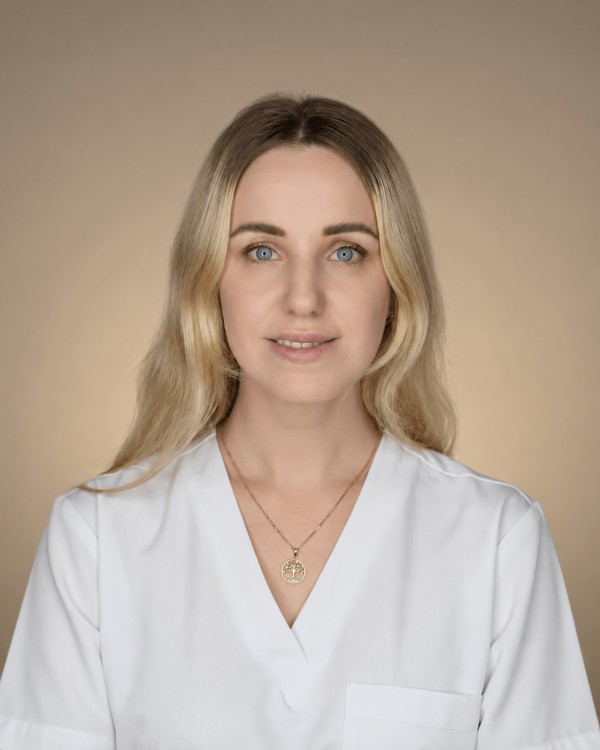
Treatments in this group are run by a doctor or by a therapist: Dalida Koilybaeva holds a DHA Allied Health licence in aesthetic therapy and refers a patient to a doctor when a medical assessment is needed. Each profile lists education, licence and training certificates.
All doctors →
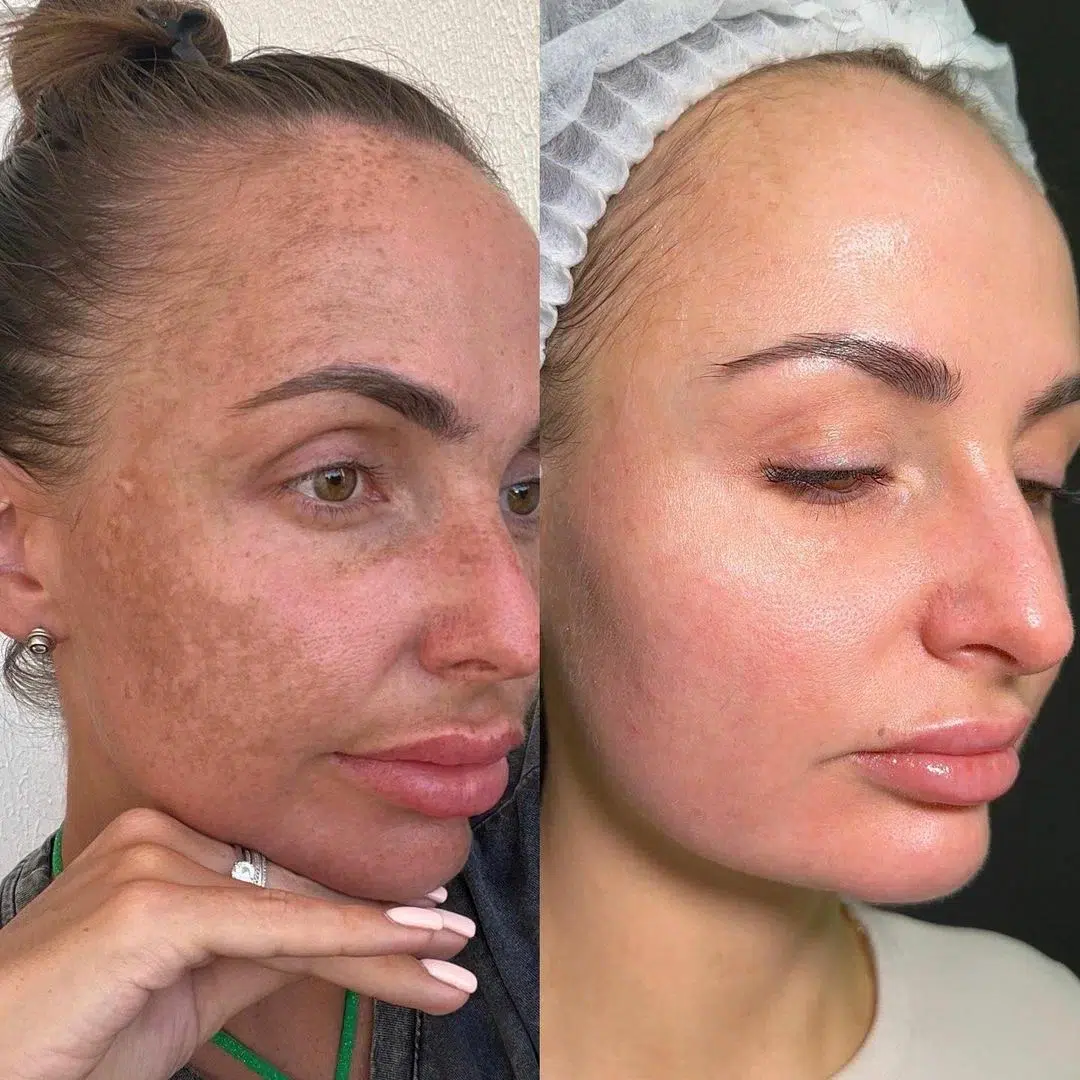
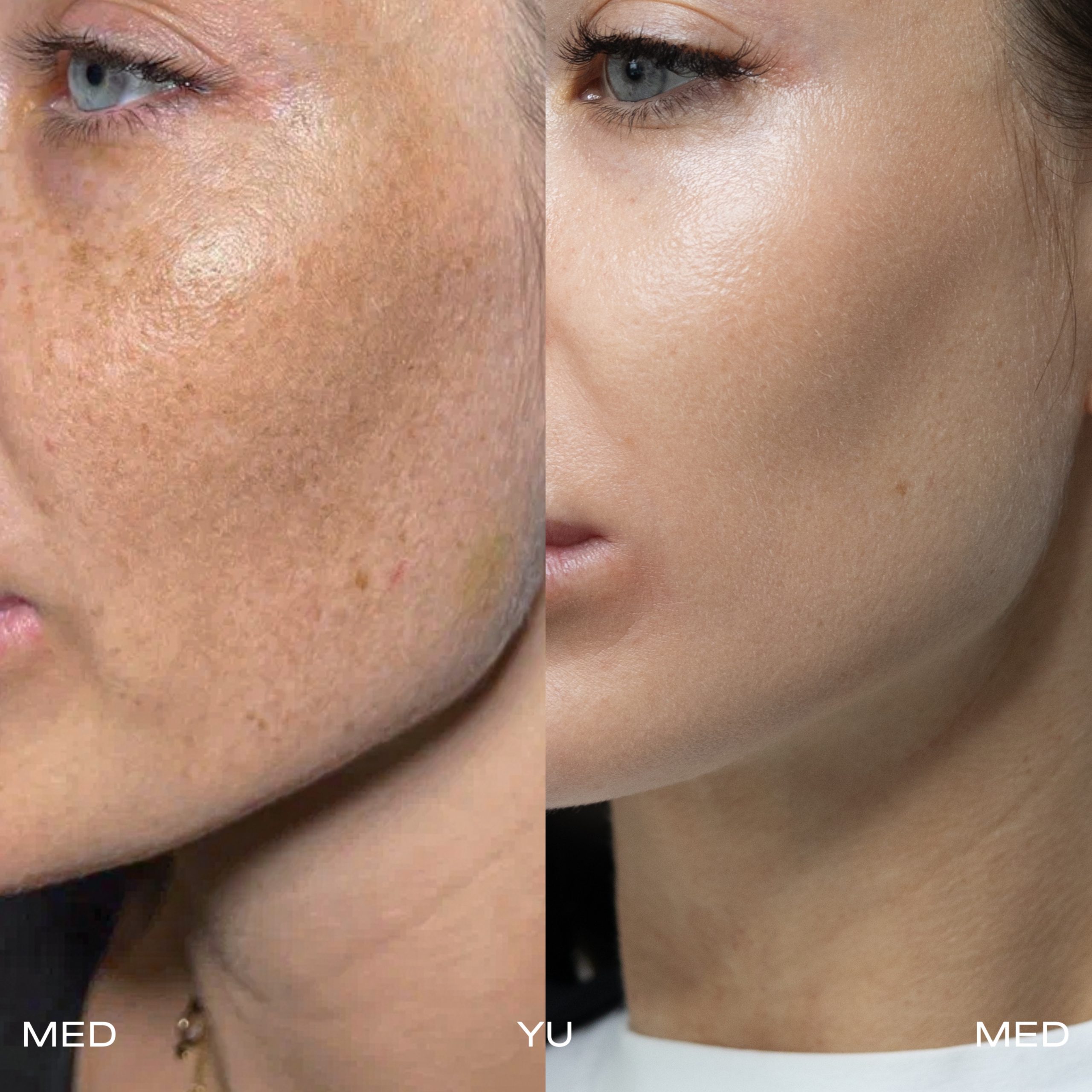
Results from our practice
Photos from our practice. Results differ from person to person, and the doctor confirms the number of sessions at your consultation.
What applies across the group
Redness, tightness and sensitivity for a few days are expected with most of these treatments. Infection is the complication that matters most with anything that breaks the skin barrier, and it is the reason sterility and the origin of what is being applied matter more than the brand on the ampoule.
Treatments are not performed over active infection, herpes or open wounds in the area, on freshly tanned skin, or after a recent isotretinoin course until a doctor clears it. Tell the doctor about pregnancy or breastfeeding, blood-thinning medication, autoimmune and uncontrolled chronic conditions, and any history of cold sores. Do not combine a peel, laser, injectable or another procedure in the same period unless the sequence is planned by the doctor.
Sun protection is part of the treatment
Nearly everything in this group leaves the skin more reactive to ultraviolet light for days afterwards. In this climate that is not a footnote: a peel performed on sun-exposed skin, or followed by a week without SPF, is the standard route to the pigmentation it was meant to treat.
When to get help
Call 998 — the UAE ambulance number, free and available 24 hours — or go to the nearest emergency department if you develop difficulty breathing, swelling of the face, lips or tongue, a spreading rash or fainting. Seek assessment the same day if treated skin turns white, grey or leathery, if blisters form, if pain increases rather than settling, or if pus or spreading redness appears.
Questions about choosing a treatment
How do I choose between cleansing, a peel and HydraFacial?
Start from the concern. Blackheads and clogged pores are cleansing territory; dullness, post-acne marks and pigmentation point to peels; congested skin that also needs hydration is where HydraFacial fits, because it combines cleansing with serum infusion. The specialist confirms the choice after examining the skin.
Can I book without choosing a treatment?
Yes. Book a consultation and describe the concern. The skin is examined — congestion, sensitivity, acne activity, recent procedures and home care — and the protocol is suggested after that.
How are prices calculated?
By protocol and by area. HydraFacial for the face starts at 700 AED, a course of five plus one at 3 500 AED; combined cleansing of the face is 900 AED; PRX-T33, BioRePeel and APPEX peels are 550 AED each, ME Line for the face 1 100 AED, or 2 750 AED with home care. Adding the décolleté or a peel to a cleanse changes the price. Every position is in the full price list.
How often should these treatments be repeated?
One facial before an event helps for a week. A protocol repeated every few weeks changes how the skin behaves, and the interval is set at the first appointment — peels in particular are planned as a course rather than as single visits.
Is there downtime?
Cleansing and HydraFacial have minimal downtime. With peels it depends on depth: a superficial peel exfoliates the epidermis with little visible shedding, while stronger protocols bring several days of flaking. The specialist tells you what to expect before the session, not after it.
I am on isotretinoin, or had a laser recently. Can I book?
Not until a doctor clears it. Recent isotretinoin, recent facial procedures, active acne flare, herpes, open wounds, rosacea flare and freshly tanned skin all postpone treatment. This list is not exhaustive, and final suitability is determined at an in-person assessment.
Not sure which treatment to choose? Discuss your concerns with our team and see the options before deciding.
Book a consultationEvery treatment on this page is a medical procedure with contraindications and possible side effects, listed on its own page. Final suitability is determined by a clinician at an in-person assessment at MED YU MED, Bluewaters Island, Dubai. MEDYUMED MEDICAL CLINIC LLC · DHA Licence 6589480 · open daily 10:00–22:00. Outside our hours, urgent problems go to the nearest emergency department or 998.


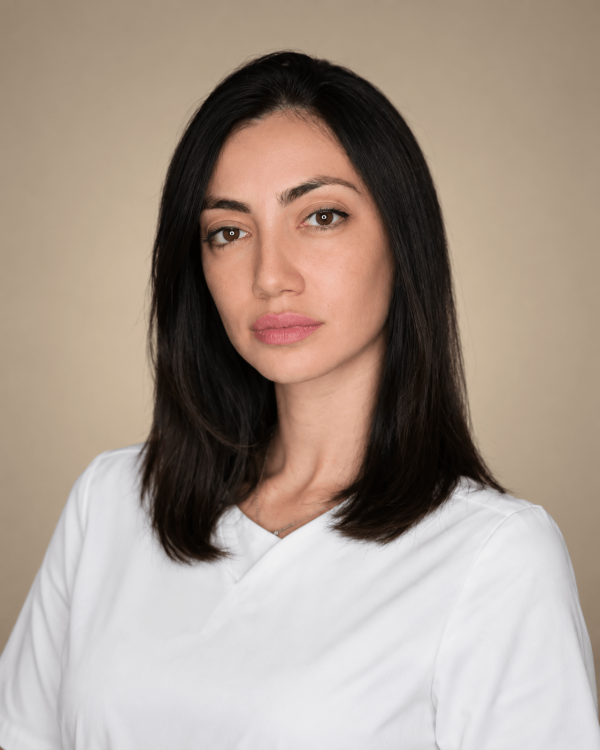
 Dr. Alina Lebedeva
 Dr. Fariza Dzgoeva
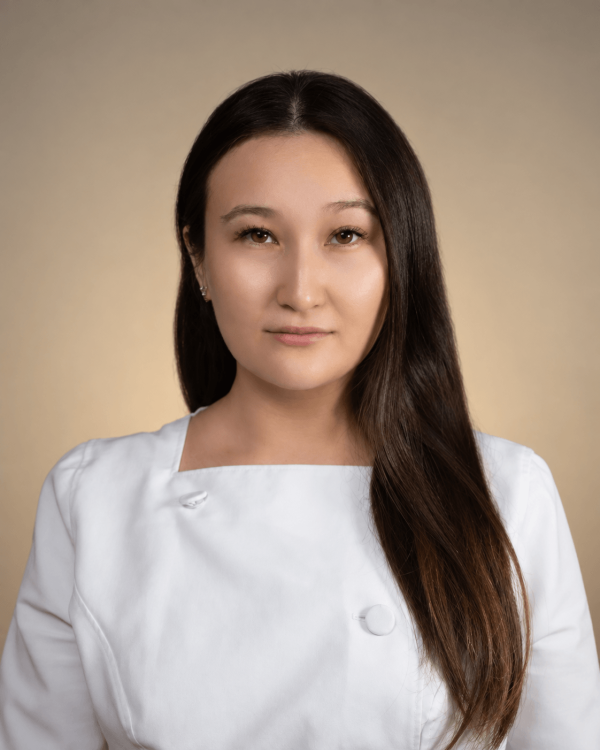 Dalida Koilybaeva