


PRP plasma therapy at MED YU MED Dubai is an injectable treatment that uses platelet-rich plasma prepared from the patient’s own blood. The procedure is selected for patients looking to improve skin quality, support facial rejuvenation, refresh tired-looking skin, improve texture and support scalp care protocols.
During PRP treatment, a small blood sample is taken and processed to separate platelet-rich plasma. This plasma contains growth factors and bioactive components that may support tissue repair, skin renewal and recovery. Because PRP is prepared from the patient’s own blood, it is commonly used in aesthetic medicine for natural-looking rejuvenation without changing facial features.

Indications
For the face, PRP may be recommended for dull skin, fine lines, reduced elasticity, uneven tone, post-acne concerns, dryness, tired-looking skin and early age-related changes. It can be performed as a standalone PRP facial or as part of a combination protocol with microneedling, mesotherapy, laser or other aesthetic treatments, depending on the doctor’s assessment.
For the scalp, PRP plasmotherapy may be selected as a supportive protocol for weak hair quality, dry scalp, reduced scalp vitality and visible hair thinning. The doctor evaluates the scalp condition, hair loss pattern and medical background before recommending PRP for hair or combining it with other hair restoration treatments.
MED YU MED offers standard plasmotherapy and RegenLab PRP options, including Plasmotherapy 1 tube, Plasmotherapy 2 tubes, Regen Lab Blue, Regen Lab Gold and RegenLab Red. Prices start from 800 AED, with the final protocol depending on the treatment area, number of tubes, skin or scalp condition and the doctor’s recommendation.
PRP plasma therapy at MED YU MED Dubai is an injectable treatment that uses platelet-rich plasma prepared from the patient’s own blood. The procedure is selected for patients looking to improve skin quality, support facial rejuvenation, refresh tired-looking skin, improve texture and support scalp care protocols.
For the face, PRP may be recommended for dull skin, fine lines, reduced elasticity, uneven tone, post-acne concerns, dryness, tired-looking skin and early age-related changes. It can be performed as a standalone PRP facial or as part of a combination protocol with microneedling, mesotherapy, laser or other aesthetic treatments, depending on the doctor’s assessment.
Read next: when PRP results for hair usually appear; how PRP compares with exosome therapy.
During PRP treatment, a small blood sample is taken and processed to separate platelet-rich plasma. This plasma contains growth factors and bioactive components that may support tissue repair, skin renewal and recovery. Because PRP is prepared from the patient’s own blood, it is commonly used in aesthetic medicine for natural-looking rejuvenation without changing facial features.
For the scalp, PRP plasmotherapy may be selected as a supportive protocol for weak hair quality, dry scalp, reduced scalp vitality and visible hair thinning. The doctor evaluates the scalp condition, hair loss pattern and medical background before recommending PRP for hair or combining it with other hair restoration treatments. MED YU MED offers standard plasmotherapy and RegenLab PRP options, including Plasmotherapy 1 tube, Plasmotherapy 2 tubes, Regen Lab Blue, Regen Lab Gold and RegenLab Red.
Platelets are part of the blood’s own repair system. Once concentrated and returned to the target area, they release growth factors including PDGF, VEGF, TGF-beta and IGF-1, which signal collagen synthesis and the formation of new blood vessels. In the scalp the same signal supports follicles in the anagen, or active growth, phase.
The plasma comes from your own blood, so an allergic reaction to the material itself is not a concern. What the treatment cannot do is replace a follicle that is already gone, which is why early assessment matters in hair cases.
The doctor assesses your skin or scalp, reviews your medical history — including blood-related conditions and medication — and confirms whether PRP or a combination protocol suits your concern. Tell the doctor about any blood-thinning or anti-inflammatory medication and supplements — some may need to be paused, but only on the doctor’s instruction.
A small blood sample is taken from a vein, as in a routine blood test, and processed in a centrifuge to separate the platelet-rich plasma. The treatment area is cleansed and numbing cream is applied.
The doctor injects the prepared plasma into the skin or scalp with a fine needle, spreading small deposits across the treatment area. A session usually takes 30-45 minutes including preparation. If PRP is combined with microneedling or laser, redness and downtime last longer than after PRP alone — the doctor explains what to expect for your protocol.
Redness, small bumps and swelling at the injection points are common, and bruising can occur. These usually peak within 24-48 hours and settle over 3-7 days. Avoid makeup for the rest of the day, and heat, alcohol and direct sun for 48 hours. Sessions repeat across the course the doctor sets.
PRP is intended to work with the skin’s own repair process, so any change develops gradually rather than immediately. Some patients notice fresher, better-hydrated skin a few weeks after a session, and texture may continue to improve over a course. Published studies on PRP for skin quality use different preparation protocols and report varying results, so response cannot be predicted in advance. Most plans run several sessions spaced a few weeks apart, then maintenance a couple of times a year. Scalp protocols run as a longer course, and response varies: some patients see improvement in hair density or quality, others see little change, and not every type of hair loss responds to PRP. PRP does not remove the underlying cause of skin ageing or hair loss — for hair loss it is used alongside, not instead of, medical assessment and established treatments the doctor may recommend. How much the skin or scalp responds depends on its starting condition and the cause of the concern, so the doctor sets expectations at consultation. Results vary between individuals.
Plasma therapy is planned as a course. The clinic prices a course of three sessions, and your doctor sets the spacing and the number after assessing the area and, for hair cases, the stage of thinning.
Downtime is usually short. Redness, small bumps and swelling at the injection points are common, and bruising can occur, especially around the eyes. These typically peak within 24-48 hours and settle over 3-7 days. Avoid makeup for the rest of the day, skip the gym, sauna and hot showers for 48 hours, use SPF 30+ and avoid direct sun for a week, and pause retinoids, acids and scrubs for 3-5 days. If you have a history of cold sores in the treatment area, tell the doctor beforehand — antiviral prophylaxis may be advised. The plasma is prepared from your own blood, so no allergy testing of the plasma is required; reactions to the topical anaesthetic or antiseptic are still possible, and the doctor reviews your medical history and allergies first. Most people return to work and everyday activity the same day, but keep exercise, sauna, hot showers and alcohol on hold for 48 hours.
When to contact us. Contact the clinic promptly if you develop increasing redness, warmth, swelling or pain after the first 48 hours, discharge or pus at an injection point, fever, or numbness that does not resolve. These are uncommon but need to be assessed.
How to reach us. During clinic hours, call MED YU MED on +971 52 184 5011 (daily 10:00–22:00). Outside those hours, or if any symptom above is severe or getting worse, go to the nearest emergency department or call 998 for an ambulance — do not wait for the clinic to reopen. With any change in vision after a facial injection, go straight to an emergency department rather than waiting for a call back.
| Protocol | Price |
|---|---|
| Plasmotherapy - 2 tubes | 1300 AEDcourse x3: 3705 · 5+1: 6500 AED |
| Plasmotherapy - 1 tube | 800 AEDcourse x3: 2280 · 5+1: 4000 AED |
| Regen Lab Blue | 1300 AEDcourse x3: 3705 · 5+1: 6500 AED |
| Regen Lab Gold | 1600 AEDcourse x3: 4560 · 5+1: 8000 AED |
| Regen Lab Red | 1400 AEDcourse x3: 3990 · 5+1: 7000 AED |
Final protocol and cost are set after consultation and depend on the treatment area, the product selected and the number of sessions. See the full price list.
At MED YU MED PRP plasmotherapy starts from 800 AED for a one-tube session, with two-tube and RegenLab protocols (Blue, Gold, Red) priced separately and course packages available. The doctor confirms the protocol and exact price at consultation.
PRP uses your own blood, so the plasma itself carries no risk of donor-material reaction or allergy. It is still a medical injectable procedure with side effects: redness, swelling, bruising and tenderness are common and settle within days; infection at an injection point, or a reaction to the topical anaesthetic or antiseptic, is uncommon but possible. A licensed doctor reviews your history first, and conditions such as blood disorders, anticoagulant use, pregnancy or active infection rule it out, which the consultation checks.
Most skin plans run several sessions spaced a few weeks apart, then maintenance a couple of times a year. Scalp protocols run as a longer course before hair changes show. The doctor sets the number at consultation. Results vary between individuals.
PRP is used as a supportive protocol for weak hair quality and visible thinning: the plasma is injected into the scalp to support the follicles. It works best on early thinning and as a course, and the doctor first assesses the cause of hair loss, since not every type responds. Published trials show increased hair density at 3 and 6 months compared with placebo, but the studies use different preparation protocols and the overall evidence is still limited. PRP is used alongside, not instead of, established hair-loss treatments.
The blood draw feels like a routine test, and numbing cream is applied before the injections, so most patients feel small pricks rather than pain. Pain tolerance differs, and scalp injections can be uncomfortable for some patients despite the anaesthetic. Tell the staff if you feel faint during the blood draw — this happens occasionally and is easily managed. A session takes 30-45 minutes.
Both use your own plasma. RegenLab is a Swiss manufacturer whose CE-marked tubes are designed to give a reproducible plasma preparation; its Blue, Gold and Red kits differ in composition and purpose, and the doctor explains which kit is used for your protocol and why. The doctor recommends the option that suits your skin or scalp at consultation.
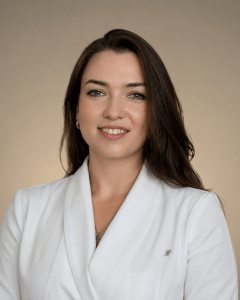
Aesthetic Medicine Doctor
DHA License No. 26439795-001
Last reviewed September 2026
The information on this page does not replace a medical consultation. Results are individual. Indications and contraindications are determined by a specialist at an in-person appointment.
I had a PRP session at the clinic today. The procedure was as comfortable as it gets, the doctors are very caring.
Reviews describe individual experiences; results and the number of sessions vary from patient to patient.
The form sends a request for a call back: the clinic confirms the time and the plan by phone.
This site is protected by reCAPTCHA and the Google Privacy Policy and Terms of Service apply.


