


INDIBA treatment at MED YU MED Dubai is a non-invasive radiofrequency therapy for face rejuvenation, skin lifting, body contouring, cellulite, post-procedure recovery and hair growth stimulation. The technology works with 448 kHz radiofrequency energy to gently warm the treated tissues and support natural regeneration, microcirculation and recovery processes.
For the face, INDIBA may be selected for skin firmness, double chin, under-eye puffiness, neck and décolleté quality, post-acne concerns and early signs of ageing. It is a needle-free RF lifting option for patients looking for a comfortable treatment that supports smoother, firmer and fresher-looking skin without injections or surgical lifting.

Indications
Pacemakers, metal implants or pregnancy may rule out treatment — confirmed at consultation.
For the body, INDIBA may be used as part of a contour correction or cellulite reduction protocol. Common treatment areas include the abdomen, hips, back, chest, knees, arms, full legs, hips + buttocks and full body. The goal is to support tissue quality, reduce visible unevenness, improve the appearance of cellulite and help the body look more toned.
INDIBA can also be selected for recovery after surgeries and aesthetic procedures. It may be used for swelling, edema, bruises, hematomas, scars, scarring and muscle spasm, after doctor assessment. The protocol is adjusted according to the recovery stage, treated area and medical background.
For hair and facial hair, INDIBA may be recommended as a supportive stimulation protocol for the scalp, eyebrows or beard. The doctor assesses hair quality, scalp condition and the cause of thinning before selecting the treatment plan.
INDIBA in Dubai offers radiofrequency that works on your cells before it works through heat. At MED YU MED the treatment runs on the INDIBA system, which operates at a single specific frequency — 448 kHz. At that setting the current moves ions across cell membranes, an effect the maker calls proionic technology, which lifts circulation, drainage and tissue repair before any strong warming begins. There are no needles and no downtime.
That gentleness is the point. INDIBA suits skin tightening, post-procedure recovery and body work, and patients feel a comfortable, building warmth rather than the sharp heat some radiofrequency devices produce. The handpiece runs in two modes — capacitive for more superficial tissue, resistive for deeper, denser areas — so one platform covers the face and the body. A DHA-licensed medical team sets the mode and plan at consultation. Results vary between individuals, and the clinician confirms the plan before the first session.
INDIBA is radiofrequency, but its 448 kHz frequency sets it apart from heat-driven RF. Rather than relying on aggressive warming alone, the current stimulates the tissue at a cellular level: ions shift across the cell membrane, circulation and lymphatic drainage improve, and repair speeds up. Warmth builds gradually and stays comfortable, which is why sessions feel like a relaxing treatment rather than an endurance test.
The handpiece works in two modes. Capacitive delivery concentrates the effect in more superficial tissue such as skin, while resistive delivery reaches deeper, denser areas and bony zones. That flexibility lets one device firm facial skin, support recovery after surgery or injectables, and work the body, with the mode matched to the goal. Because nothing punctures the skin, INDIBA pairs easily with other treatments and helps swelling and bruising settle faster. The full device specification sits on the INDIBA device page.
INDIBA works in capacitive-resistive mode, known as CRET: the capacitive electrode acts on softer, water-rich tissue such as skin and superficial fat, while the resistive electrode reaches denser structures. The operator switches between them depending on the goal of the session.
INDIBA is also used for the neck and décolleté; see neck and décolleté rejuvenation in Dubai.
Assessment of the area and goal, plus medical history including any implants or pacemaker. The mode and plan are set to face, body or recovery.
The skin is cleansed and a conductive medium is applied. The clinician selects capacitive or resistive delivery for the tissue being treated.
The handpiece is moved over the area as warmth builds gradually to a comfortable level; a session feels like a warm, relaxing massage.
No recovery is needed. Water is encouraged to support drainage, and sessions repeat across a series for tightening or more often for short recovery courses.
INDIBA works across a series rather than from one visit. Many patients notice an immediate freshness and mild tightening after a single session, but the lasting change in firmness and tissue quality builds over a course spaced days to weeks apart. Recovery-focused plans after surgery or injectables may run more frequently for a short period. Timing and prices for each operation are on the page about INDIBA after plastic surgery. The clinician sets the number and spacing to your goal. Maintenance keeps the effect, since radiofrequency tightening relaxes over time. Results vary between individuals.
There is no downtime. The skin may look slightly flushed from the warmth for a short while, then settles, and you can return to normal activity straight away. No needles means no marks and no recovery. For the rest of the day, drink water to support the drainage the treatment encourages, and keep your usual skincare simple.
Risks, and the honest limits. INDIBA delivers radiofrequency at 448 kHz and warms tissue, so the risk that matters is thermal: overheating, and in rare cases a burn, particularly over bony areas, scars or skin with reduced sensation. Expected: flushing and warmth that settle within the hour. The treatment is not compatible with a pacemaker or other implanted electronic device, and metal implants in the area, thrombosis, active cancer, pregnancy and fever all rule it out or need a doctor’s decision first. On results: this is a needle-free treatment with a gradual, cumulative effect that fades without maintenance. It does not tighten skin the way a surgical lift does, and evidence for radiofrequency in cellulite and body contouring is limited, so we describe likely change rather than promise it.
If something is not right. Call MED YU MED on +971 52 184 5011 (daily 10:00–22:00) if you develop a burn, a blister, skin that stays red or painful after the session, or swelling, redness and heat in one limb. Outside our opening hours, go to the nearest emergency department or call 998 for an ambulance — do not wait for the clinic to reopen.
| Protocol | Price |
|---|---|
| Full Face | 800 AEDcourse x3: 2160 · 5+1: 4000 AED |
| Double Chin/Jawline Contour | 400 AEDcourse x3: 1080 · 5+1: 2000 AED |
| Eye area | 300 AEDcourse x3: 810 · 5+1: 1500 AED |
| Neck + Decolette | 1000 AEDcourse x3: 2700 · 5+1: 5000 AED |
| Post-acne/Skin Tone | 800 AEDcourse x3: 2160 · 5+1: 4000 AED |
| Protocol | Price |
|---|---|
| Pain relief/Anti-inflammatory protocol (face) | 800 AEDcourse x3: 2160 · 5+1: 4000 AED |
| Pain relief/Anti-inflammatory protocol (body) | 1600 AEDcourse x3: 4320 · 5+1: 8000 AED |
| Injury recovery (single zone) | 800 AEDcourse x3: 2160 · 5+1: 4000 AED |
| Lymphatic drainage/de-puffing (face) | 800 AEDcourse x3: 2160 · 5+1: 4000 AED |
| Lymphatic drainage/de-puffing (body) | 1600 AEDcourse x3: 4320 · 5+1: 8000 AED |
| Protocol | Price |
|---|---|
| Post-rhinoplasty recovery | 800 AEDcourse x3: 2160 · 5+1: 4000 AED |
| Post-blepharoplasty recovery | 800 AEDcourse x3: 2160 · 5+1: 4000 AED |
| Post-facelift recovery (SMAS) | 1200 AEDcourse x3: 3240 · 5+1: 6000 AED |
| Post-abdominoplasty recovery (tummy tuck) | 1600 AEDcourse x3: 4320 · 5+1: 8000 AED |
| Post-liposuction recovery (abdomen) | 1600 AEDcourse x3: 4320 · 5+1: 8000 AED |
| Post-liposuction recovery (legs/arms) | 1400 AEDcourse x3: 3780 · 5+1: 7000 AED |
| Post-mammoplasty recovery (augmentation) | 1400 AEDcourse x3: 3780 · 5+1: 7000 AED |
| Post-breast reduction/lift recovery | 1400 AEDcourse x3: 3780 · 5+1: 7000 AED |
| Post-buttock lipofilling recovery | 1200 AEDcourse x3: 3240 · 5+1: 6000 AED |
| Post-gluteoplasty recovery (implants) | 1400 AEDcourse x3: 3780 · 5+1: 7000 AED |
| Post-facial lipofilling recovery | 800 AEDcourse x3: 2160 · 5+1: 4000 AED |
| Post-body liposculpture recovery | 1600 AEDcourse x3: 4320 · 5+1: 8000 AED |
| Post-otoplasty recovery | 600 AEDcourse x3: 1620 · 5+1: 3000 AED |
| Scar & Fibrosis treatment (general protocol) | 800 AEDcourse x3: 2160 · 5+1: 4000 AED |
| Hematoma/Bruising resorption after procedures | 800 AEDcourse x3: 2160 · 5+1: 4000 AED |
| Protocol | Price |
|---|---|
| Abdomen | 1000 AEDcourse x3: 2700 · 5+1: 5000 AED |
| Thighs/Saddlebags | 1000 AEDcourse x3: 2700 · 5+1: 5000 AED |
| Buttocks/Thighs (anti-cellulite program) | 1200 AEDcourse x3: 3240 · 5+1: 6000 AED |
| Arms | 800 AEDcourse x3: 2160 · 5+1: 4000 AED |
| Back/Flanks | 1200 AEDcourse x3: 3240 · 5+1: 6000 AED |
| Full Body | 1600 AEDcourse x3: 4320 · 5+1: 8000 AED |
| Body Lift after weight loss | 1800 AEDcourse x3: 4860 · 5+1: 9000 AED |
| Protocol | Price |
|---|---|
| Cheeks + Neck | 800 AEDcourse x3: 2160 · 5+1: 4000 AED |
| Cheeks | 600 AEDcourse x3: 1620 · 5+1: 3000 AED |
| Lower face + Chin | 800 AEDcourse x3: 2160 · 5+1: 4000 AED |
| Chin area | 600 AEDcourse x3: 1620 · 5+1: 3000 AED |
| Neck + Decolette | 800 AEDcourse x3: 2160 · 5+1: 4000 AED |
| Abdomen/Flanks | 1200 AEDcourse x3: 3240 · 5+1: 6000 AED |
| Abdomen (lower/upper third) | 1000 AEDcourse x3: 2700 · 5+1: 5000 AED |
| Buttocks | 1000 AEDcourse x3: 2700 · 5+1: 5000 AED |
| Knees | 800 AEDcourse x3: 2160 · 5+1: 4000 AED |
| Inner thighs | 1200 AEDcourse x3: 3240 · 5+1: 6000 AED |
| Arms | 800 AEDcourse x3: 2160 · 5+1: 4000 AED |
| Shoulders | 1000 AEDcourse x3: 2700 · 5+1: 5000 AED |
| Back (lower/upper third) | 1200 AEDcourse x3: 3240 · 5+1: 6000 AED |
| Protocol | Price |
|---|---|
| Hair | 1000 AEDcourse x3: 2700 · 5+1: 5000 AED |
| Eyebrows | 1000 AEDcourse x3: 2700 · 5+1: 5000 AED |
| Beard | 1000 AEDcourse x3: 2700 · 5+1: 5000 AED |
Final protocol and cost are set after consultation and depend on the treatment area, the number of sessions and the plan agreed with your doctor. See the full price list.
At MED YU MED INDIBA starts from 300 AED per session. Face, body and recovery courses are priced per plan, since the number of sessions depends on your goal. A consultation gives you an exact quote.
INDIBA runs at a specific 448 kHz frequency and works largely through cellular stimulation and improved circulation, with gentle, building warmth. A single-session heat-based RF brand such as Thermage relies on stronger, deeper heating in one visit. INDIBA instead builds its result across a comfortable course and is often used to support recovery.
INDIBA works as a course. Many patients feel a fresh, mild tightening after one session, but the lasting result builds over several visits spaced days to weeks apart. The clinician sets the plan at assessment. Results vary between individuals.
No. Most patients describe a comfortable, building warmth and a relaxing massage feel, with no needles and no sharp heat. Tell the clinician if any area feels too warm so the energy can be adjusted.
None. The skin may look slightly flushed for a short while, then settles, and you can return to normal activity straight away. Drinking water afterwards supports the drainage the treatment encourages.
Yes, that is a common use. By improving circulation and drainage, INDIBA can help swelling and bruising settle faster after procedures. Timing should be confirmed with the clinician, who will plan it around your other treatment.
The treatment warms tissue, so the main risk is thermal: overheating and, rarely, a burn, more likely over bony areas, scars or skin with reduced sensation. Flushing and warmth that settle within the hour are expected. A pacemaker or other implanted electronic device rules the treatment out, as do thrombosis, active cancer and fever; metal implants in the area and pregnancy need a doctor’s decision. The effect is gradual and fades without maintenance, and it does not replace a surgical lift.
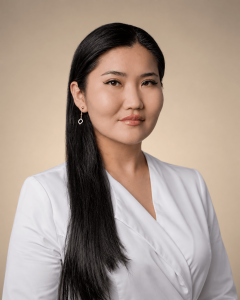
Aesthetic Medicine Doctor, 8 years' experience
DHA License No. 28857822-001
Last reviewed July 2026
The information on this page does not replace a medical consultation. Results are individual. Indications and contraindications are determined by a specialist at an in-person appointment.
The form sends a request for a call back: the clinic confirms the time and the plan by phone.
This site is protected by reCAPTCHA and the Google Privacy Policy and Terms of Service apply.


