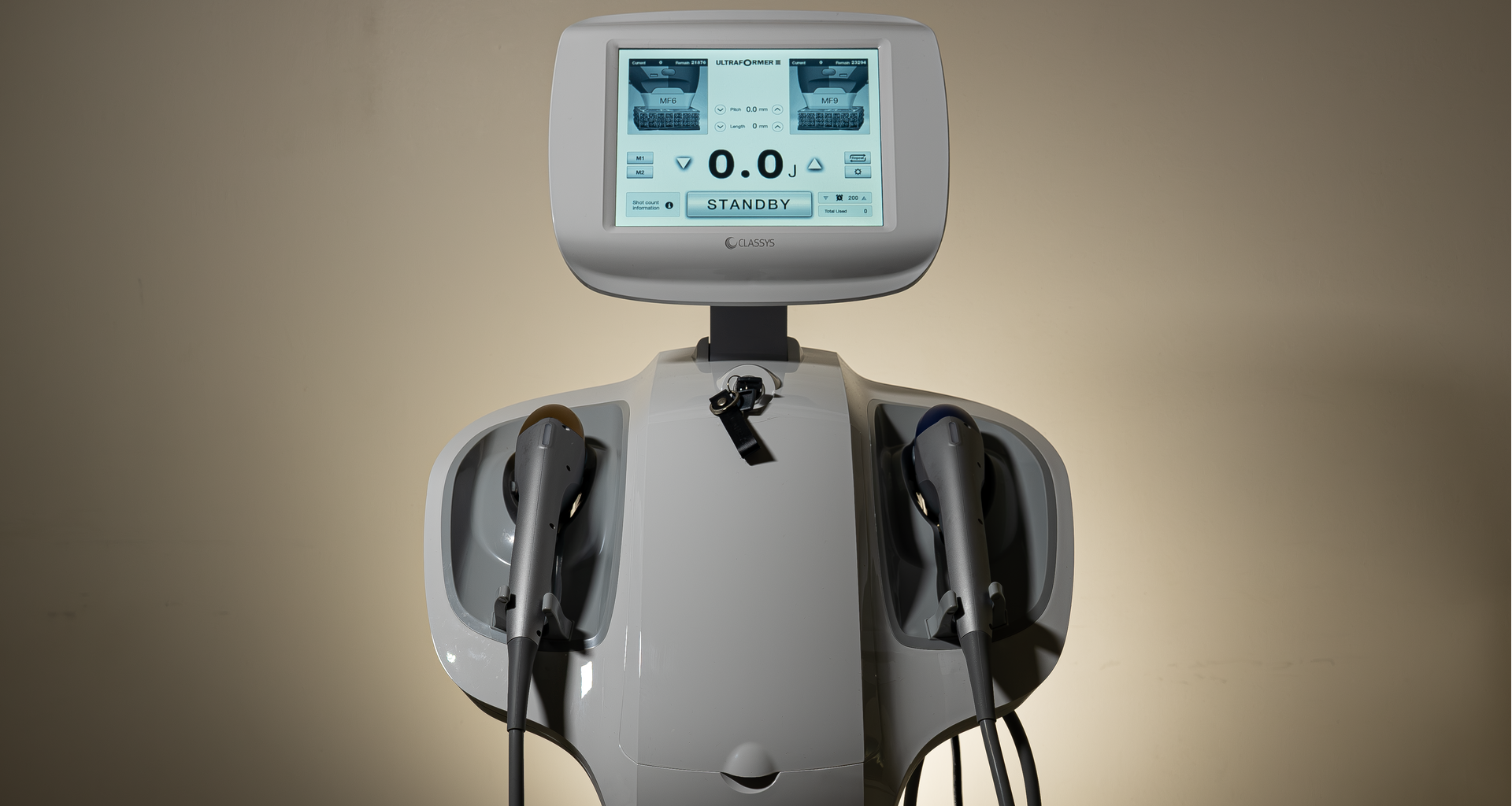
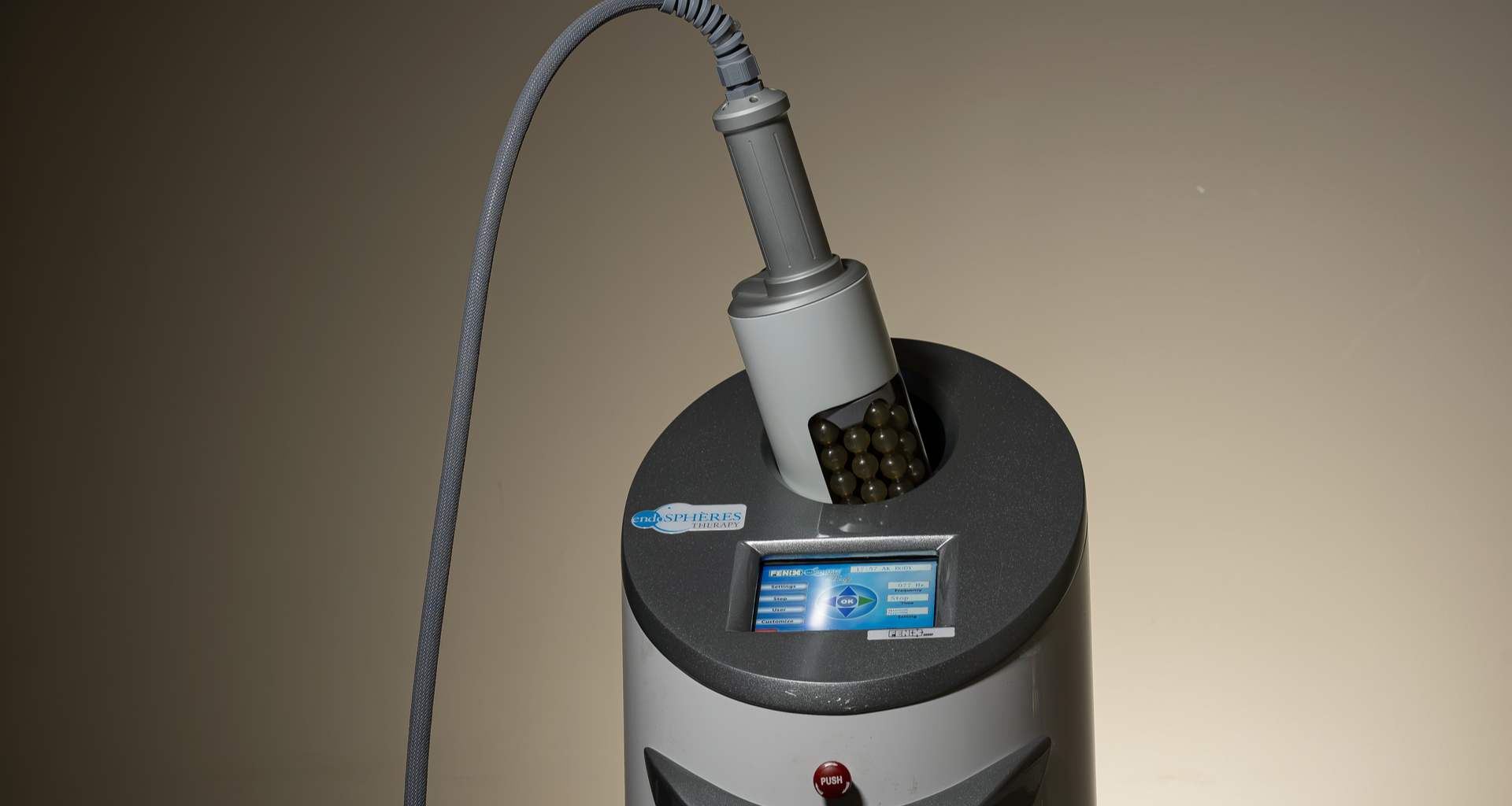
Proionic radiofrequency platform
INDIBA ELITE NS
Monopolar radiofrequency at a fixed 448 kHz
The INDIBA ELITE NS delivers monopolar radiofrequency at a fixed 448 kHz through capacitive and resistive electrodes. This page describes the device used at MED YU MED on Bluewaters Island, Dubai: its specifications, how 448 kHz radiofrequency works and how the clinic uses it.
- Manufacturer
- INDIBA, Spain
- Frequency
- 448 kHz
- Modes
- Capacitive and resistive

Medically reviewed by Dr. Zhibek Rakhimbekova, General Practitioner, Aesthetic Medicine Doctor
About the INDIBA ELITE NS
ELITE NS is a medical device by INDIBA, the Spanish company founded in 1983 by José Calbet and based near Barcelona. It uses monopolar radiofrequency at a single fixed frequency of 448 kHz, delivered through capacitive (CAP) and resistive (RES) electrodes against a return plate.
INDIBA calls the cellular effect of this current Proionic. At MED YU MED the device is used for face and body treatments and for recovery after surgery and other procedures.
Technical specifications
Manufacturer information for the ELITE NS and INDIBA 448 kHz technology (indiba.com). INDIBA does not publish output power on these pages.
| Energy | Monopolar radiofrequency |
|---|---|
| Frequency | Fixed 448 kHz |
| Modes | Capacitive (CAP) and resistive (RES), with a return plate |
| Electrodes | Capacitive and resistive electrodes; Sculpture set of three resistive electrodes for facial and body areas |
| Effects by output | Sub-thermal biostimulation, mild thermal vascularisation, deeper hyperactivation |
| Software | Updates and new functions via Wi-Fi |
- Regulatory
- INDIBA states that its devices are FDA-cleared medical devices for licensed healthcare professionals
- Quality
- Work processes certified to ISO 13485, CE 0051, CE 0476 and FDA standards
- Manufacturer
- INDIBA, S.A.U., Sant Quirze del Vallès, Barcelona, Spain
How 448 kHz radiofrequency works
The current enters the tissue through an electrode and completes the circuit through a return plate. INDIBA states that the 448 kHz oscillation mobilises intra- and extra-cellular ions across the cell membrane, increasing membrane permeability and metabolic activity. By controlling output, the same frequency produces different responses: sub-thermal biostimulation, mild thermal vascularisation and deeper hyperactivation.
The two electrode types work at different depths. In capacitive mode the current concentrates in the tissue immediately beneath the insulated electrode, such as skin, muscle and well-vascularised areas. Resistive mode is used for deeper, denser tissue. INDIBA states that the current gradually raises the temperature of treated tissue, and that at non-heating intensities it produces biostimulation instead.
Radiofrequency is comfortable but not for everyone. INDIBA lists cardiac pacemakers and other electronic implants among absolute contraindications, and the clinician checks for them before the first pass. The full list is on the INDIBA treatment page.
At our clinic
How the clinic uses INDIBA
The platform runs across five lines: tightening for the face, including the under-eye area and the double chin; body contour work; recovery after surgery and procedures, priced separately for scars, bruising and swelling; cellulite protocols; and hair growth stimulation. The evidence for radiofrequency in cellulite and hair growth is limited, so the clinic offers these as protocols rather than promises.
Before and after

Photos from our practice. Results differ from person to person, and the doctor confirms the number of sessions at your consultation.
Treatments using this device
Procedure details, suitability and prices are on the individual treatment pages.
Manufacturer documentation
Frequently asked questions about the device
What is the INDIBA ELITE NS?
It is a monopolar radiofrequency device made by INDIBA of Spain. It works at a fixed frequency of 448 kHz and delivers energy through capacitive and resistive electrodes.
What is Proionic technology?
Proionic is INDIBA’s name for the effect of its 448 kHz current. INDIBA states that the oscillation mobilises ions across the cell membrane, increasing membrane permeability and metabolic activity.
What is the difference between the capacitive and resistive modes?
In capacitive mode the current concentrates in the tissue immediately beneath the insulated electrode, such as skin and muscle. Resistive mode is used for deeper, denser tissue such as tendons, joints, ligaments and bone.
Does INDIBA always heat the tissue?
No. INDIBA states that at non-heating intensities the 448 kHz current produces biostimulation, while at higher output it gradually raises the temperature of the treated tissue. The clinician sets the output for the goal of the session.