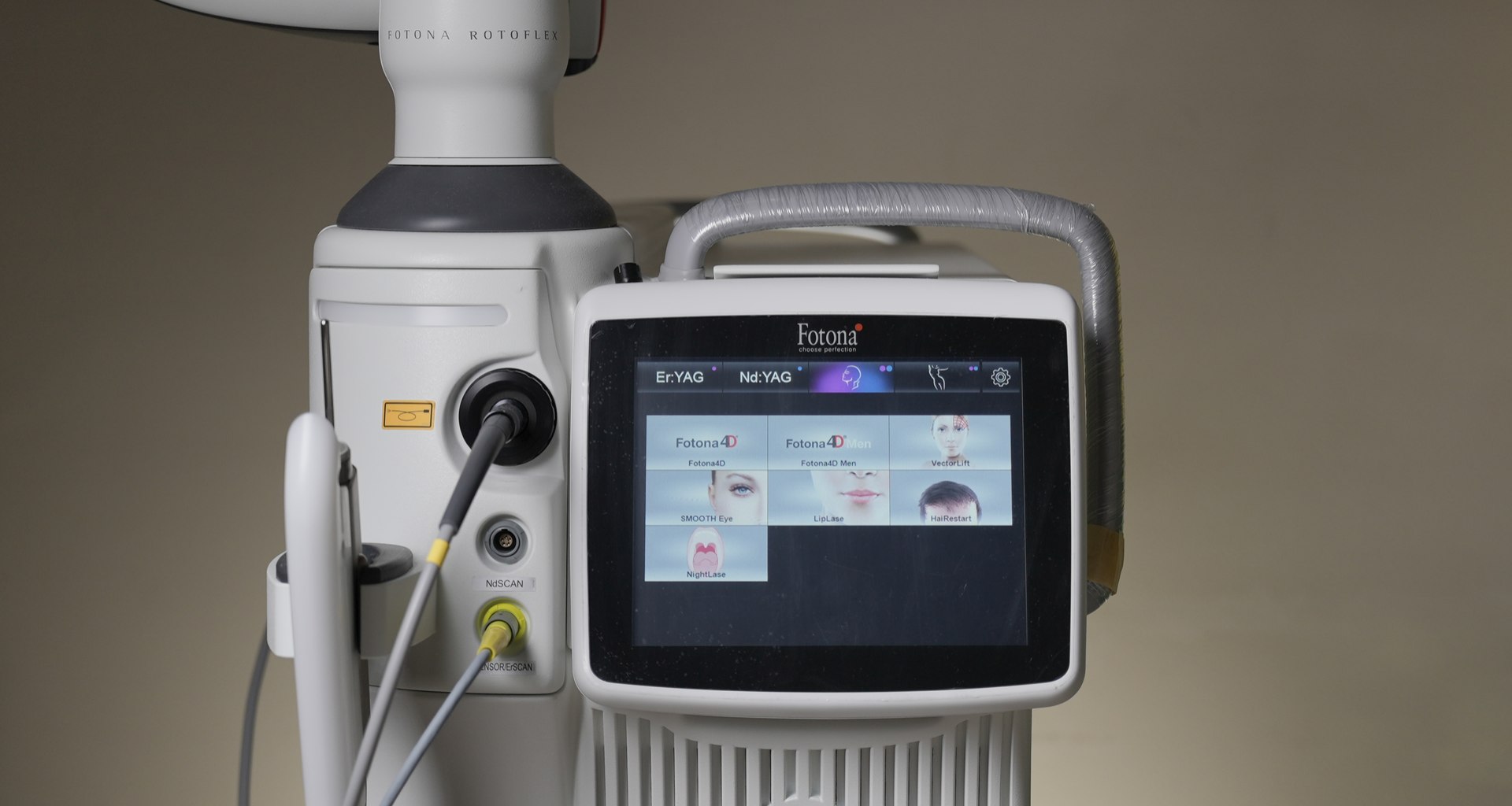
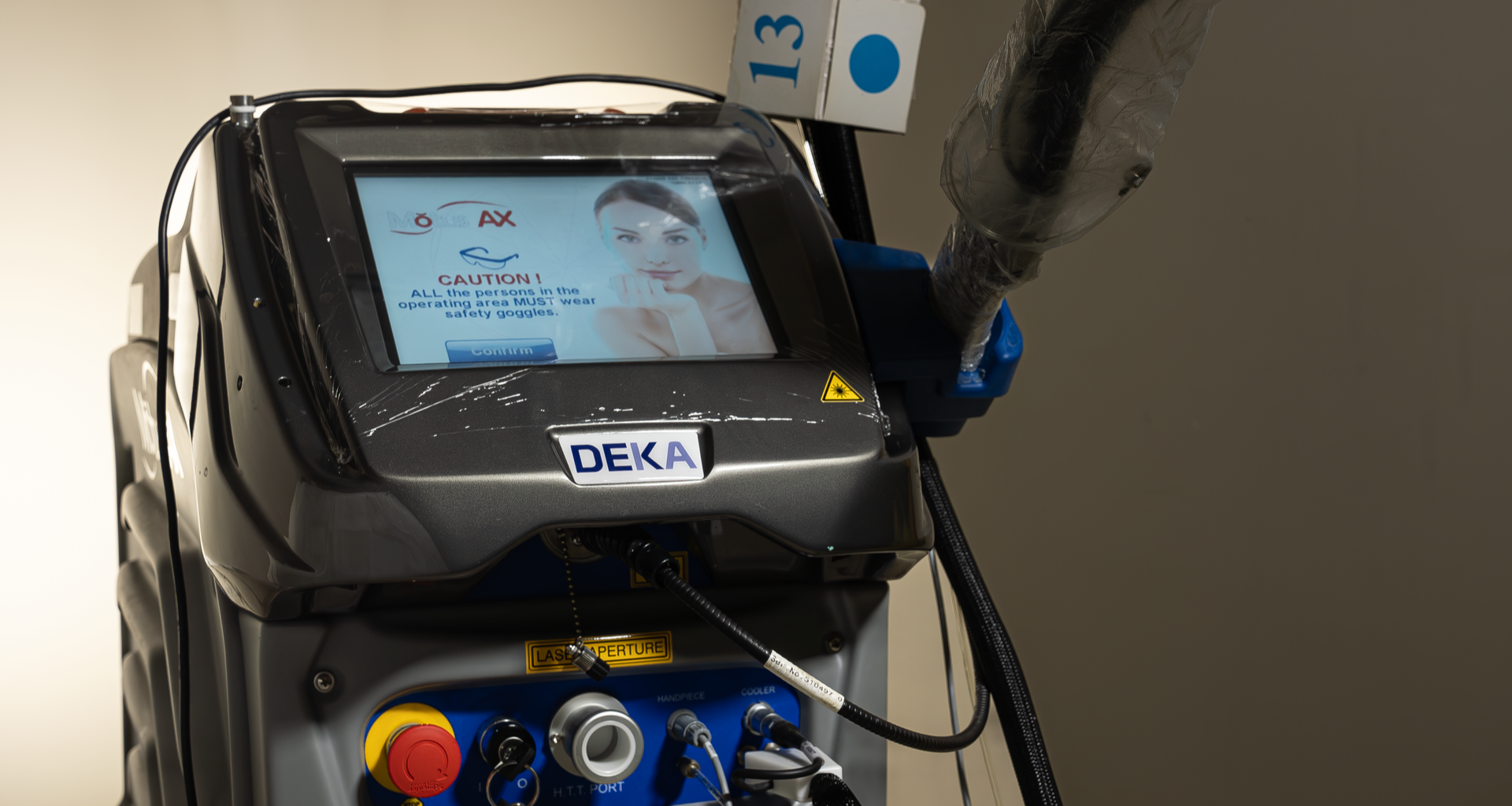
Light and laser platform
Sciton mJOULE
BBL HERO BroadBand Light and the MOXI 1927 nm laser on one base
The Sciton mJOULE runs two modules: BBL HERO BroadBand Light and the MOXI 1927 nm fractionated non-ablative laser. This page describes the platform used at MED YU MED on Bluewaters Island, Dubai: its specifications, how the two modules work and who is trained on it in our clinic.
- Manufacturer
- Sciton, USA
- Modules
- BBL HERO + MOXI
- Wavelengths
- 420–1400 nm / 1927 nm

Medically reviewed by Dr. Zhibek Rakhimbekova, General Practitioner, Aesthetic Medicine Doctor
About the Sciton mJOULE
mJOULE is a dual-module platform by Sciton. It houses two technologies: BBL HERO, a pulsed-light device whose name stands for High Energy Rapid Output, and MOXI, a 1927 nm fractionated non-ablative laser. The clinician chooses the module, or both in one visit, for the skin and the concern.
At MED YU MED the platform drives BBL phototherapy for pigmentation, redness and sun damage, and MOXI for tone, texture and early signs of ageing, on the face and on body areas.
Technical specifications
BBL HERO figures from Sciton’s BBL family brochure; MOXI figures from sciton.com.
| Parameter | BBL HERO | MOXI |
|---|---|---|
| Technology | BroadBand Light (pulsed light) | Fractionated non-ablative laser |
| Wavelength | 420–1400 nm; Smart Filters 420, 515, 560, 590, 640, 695 and 800 nm | 1927 nm |
| Output | Up to 30 J/cm² | 5–20 mJ across three treatment levels |
| Delivery | Pulse width up to 200 ms, repetition rate up to 20 Hz | 4–8 passes depending on the level |
| Spot or tip | 15 × 45 mm; Finesse adapters 15 × 15 mm, 11 mm and 7 mm | Single-use tip with rollers |
| Cooling or depth | Sapphire plates, skin cooling 0–30 °C in 1 °C steps | Penetration depth 100–200 µm |
- Platform
- mJOULE System and Accessories, FDA 510(k) K213350
- BBL HERO
- Sciton states four times the speed, three times the peak power and two times the cooling capacity
- MOXI tip
- A computerised handpiece tip tracks treatment duration
How the two modules work
BBL HERO emits broadband light between 420 and 1400 nm in pulses. Quick-change Smart Filters, from 420 to 800 nm, set the part of the spectrum used for a treatment, and continuous thermoelectric sapphire plates cool the skin during the pass. Finesse adapters reduce the spot for small areas.
MOXI works differently. Sciton states that its 1927 nm wavelength targets water within cells and creates micro-coagulation zones, which start the body’s natural wound-healing process and promote collagen production. It acts in the superficial layers of the epidermis and dermis, at 100–200 µm depending on the energy, and Sciton states that it can treat all skin types year-round.
Sciton describes MOXI combined with BBL as a treatment for the appearance of ageing skin in all skin types, and the clinic runs the two in one visit where it fits. Light and laser both carry risk, including burns, blistering and changes in skin pigment, and that risk rises on darker and recently tanned skin. Risks and contraindications are on the BBL treatment page and the MOXI treatment page.
At our clinic
Training on this device
Dr. Zhibek Rakhimbekova completed Sciton BBL + MOXI training and orientation with Leader Healthcare on 12 February 2024. Dr. Ilias Dautov and Dalida Koilybaeva completed Sciton BBL training and orientation with Leader Healthcare on 5 May 2023. Each certificate is listed on the specialist’s profile.
Specialists trained on BBL and MOXI
 Dalida KoilybaevaBeauty and Laser Therapist
 DR. Zhibek RakhimbekovaGeneral Practitioner, Aesthetic Medicine Doctor
 DR. Ilias Ildarovich DautovGeneral Practitioner, Aesthetic Medicine Doctor
Training certificates are listed on each doctor's page.
Before and after
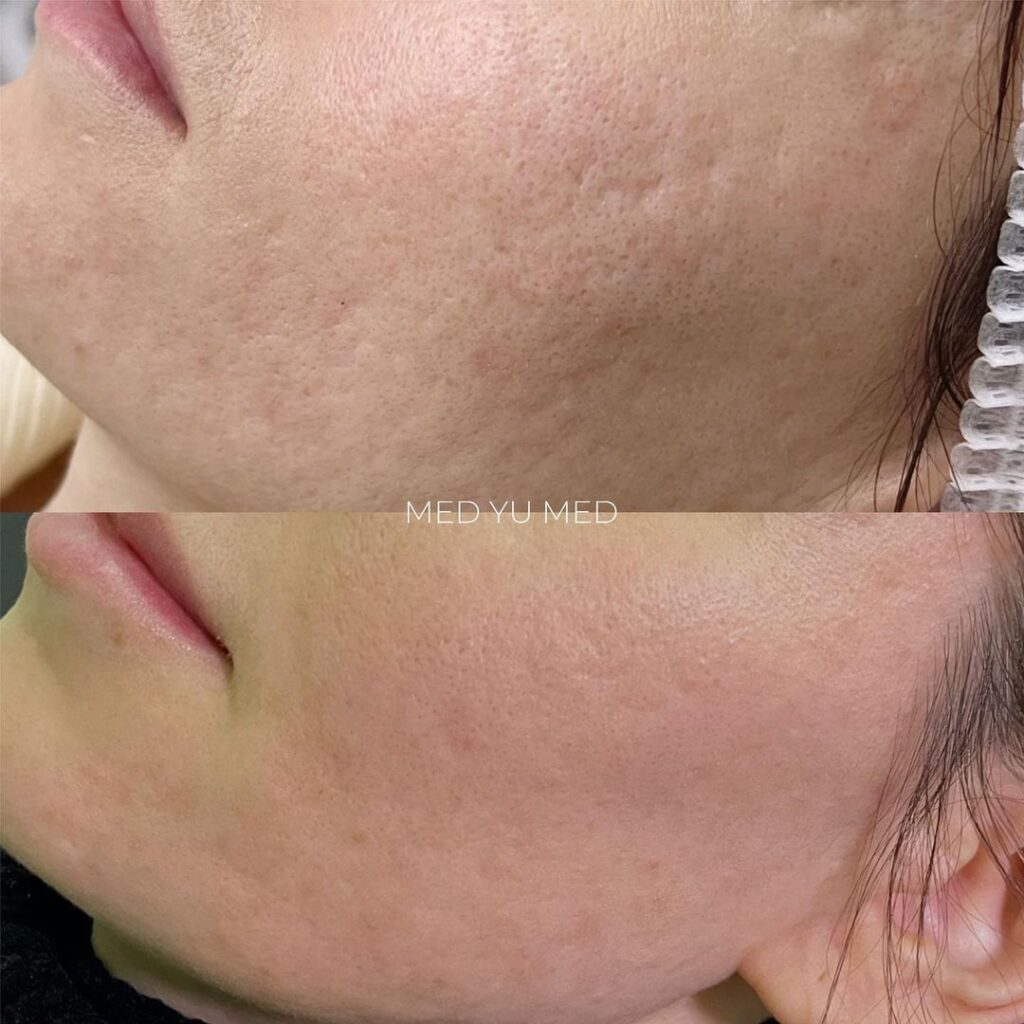
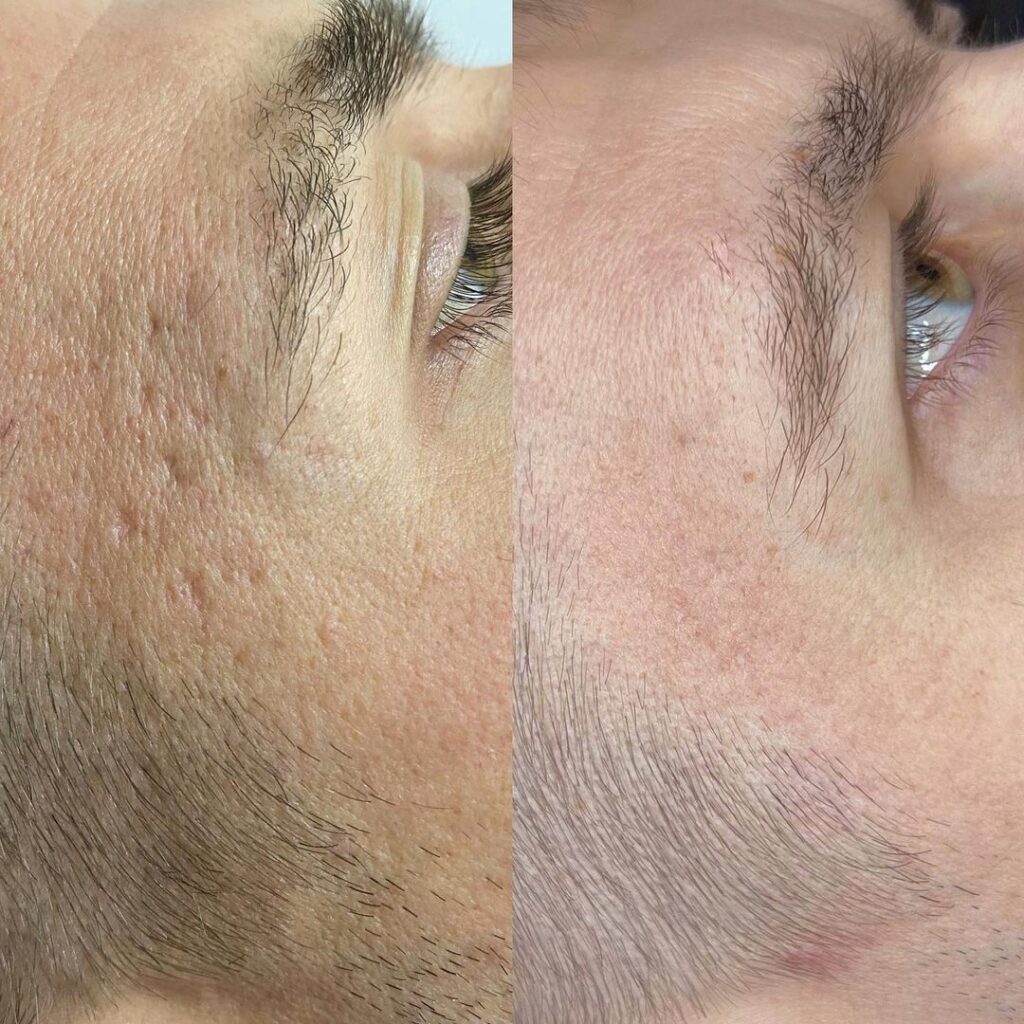
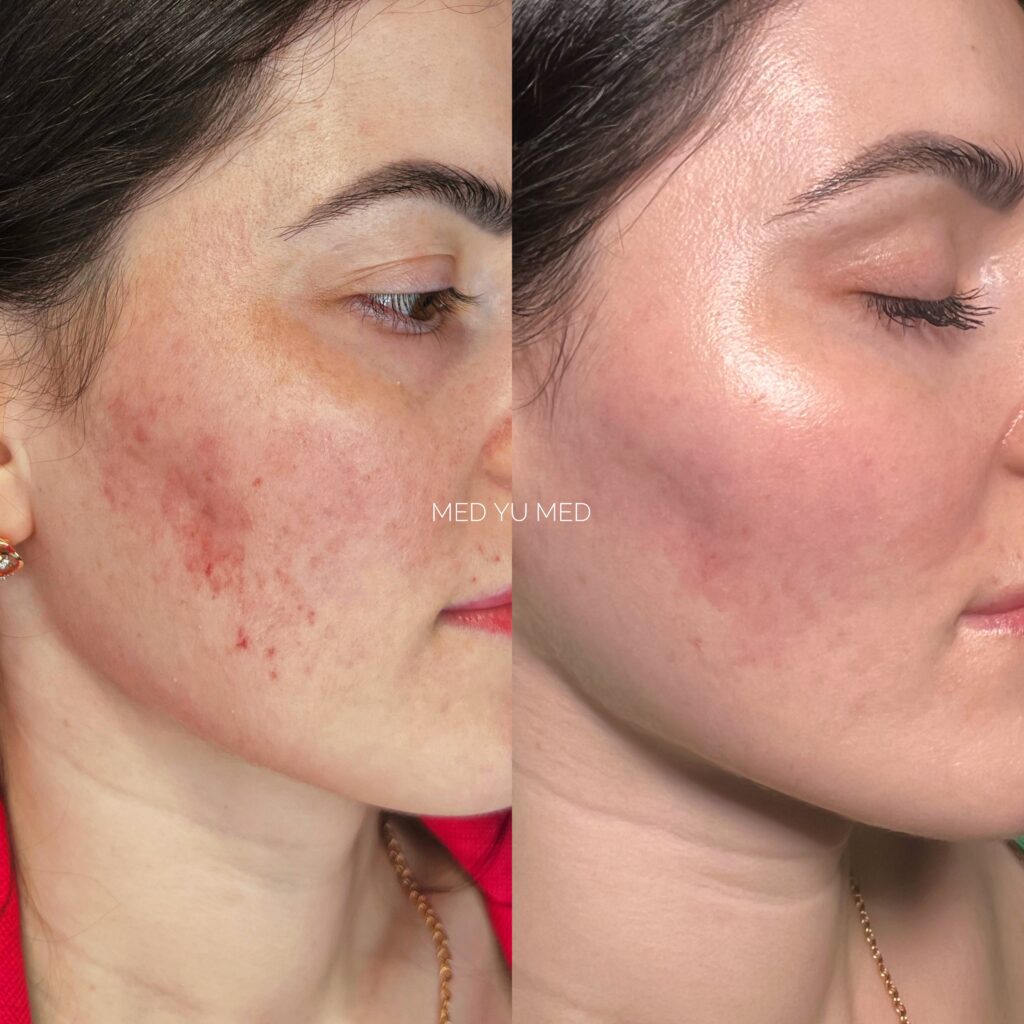
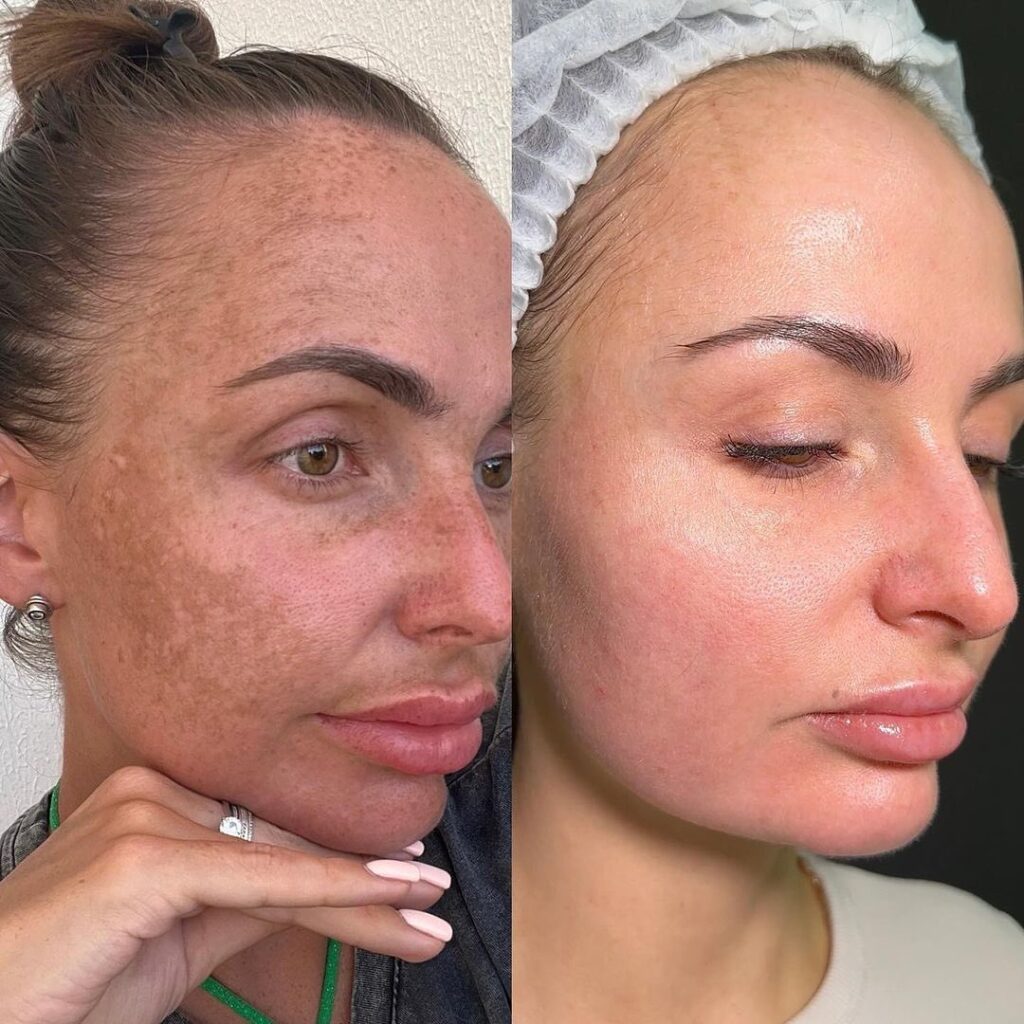
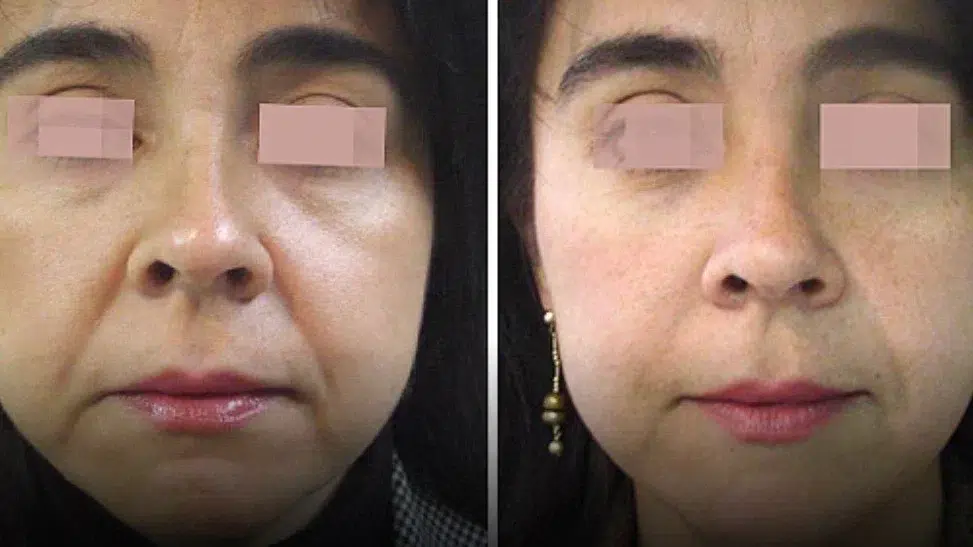
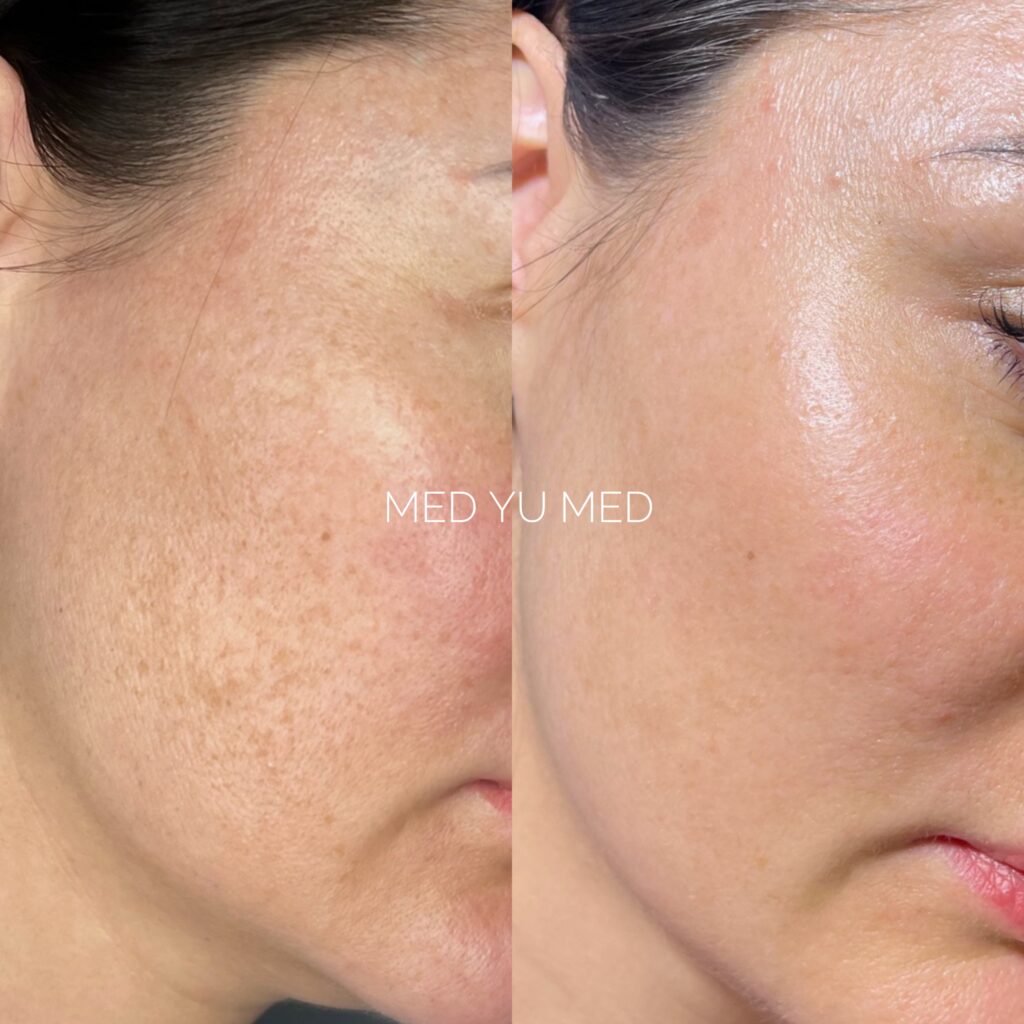
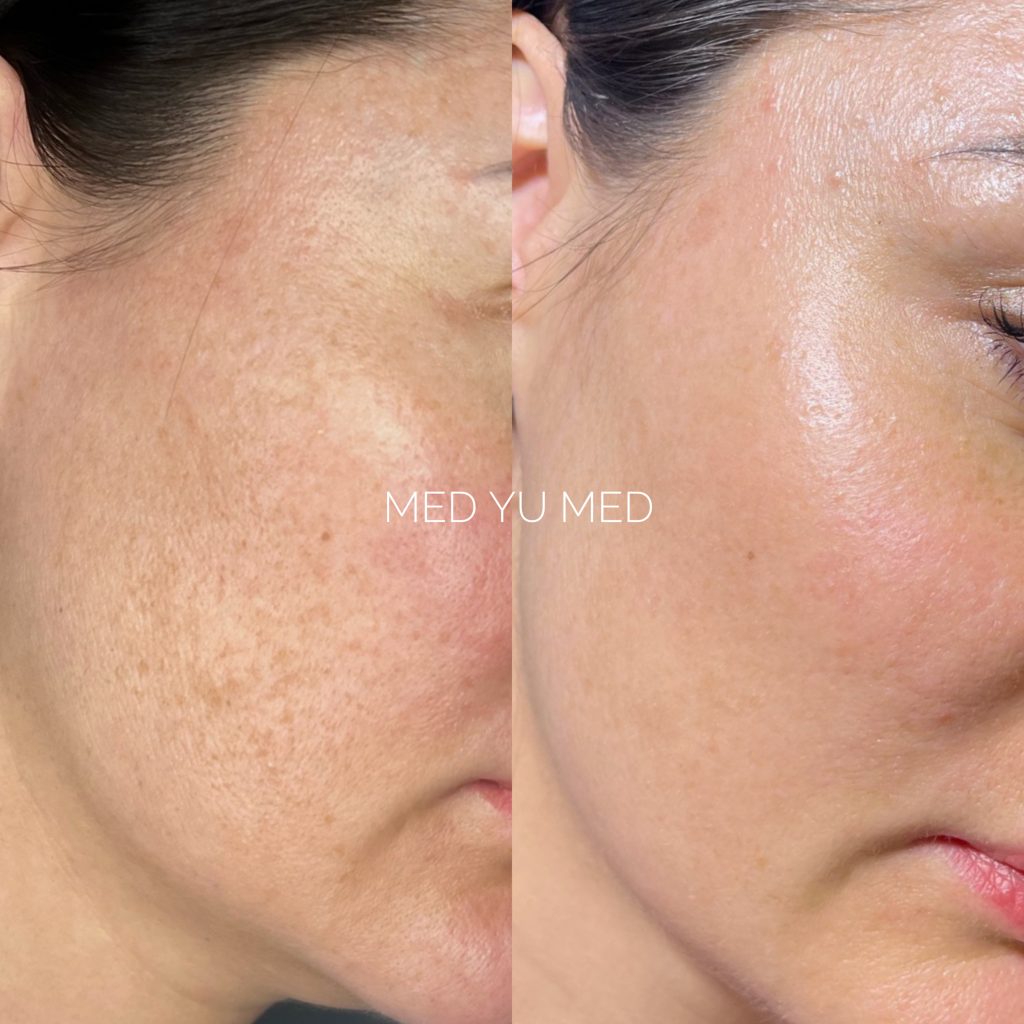

Photos from our practice. Results differ from person to person, and the doctor confirms the number of sessions at your consultation.
Treatments using this device
Procedure details, suitability and prices are on the individual treatment pages.
Manufacturer documentation
Frequently asked questions about the device
What is the Sciton mJOULE?
It is a dual-module platform made by Sciton in the United States. It runs BBL HERO BroadBand Light and the MOXI 1927 nm fractionated non-ablative laser from one base.
What is the difference between BBL and MOXI?
BBL HERO is pulsed broadband light from 420 to 1400 nm, shaped by Smart Filters. MOXI is a 1927 nm fractionated non-ablative laser that targets water in the superficial layers of the skin and creates micro-coagulation zones.
How deep does MOXI work?
Sciton states that the penetration depth of MOXI’s 1927 nm laser ranges from 100 to 200 µm depending on the energy used. Its three treatment levels run from 5 to 20 mJ.
What does HERO stand for?
High Energy Rapid Output. Sciton states that BBL HERO treats with four times the speed, three times the peak power and two times the cooling capacity.