Published 21 July 2026 · Updated 19 August 2026
When it comes to renewing skin and addressing stubborn aesthetic concerns, laser skin resurfacing is one of the established medical options. It is a medical-grade treatment used to soften signs of ageing, improve the appearance of scars and even out texture.
The core goal of laser resurfacing is a controlled reset of your skin’s internal framework. By triggering your skin’s natural ability to regenerate, the treatment can tighten skin, even out tone and reduce the appearance of pigmentation, to a degree that varies between people. The result? Firm, smooth, radiant skin that is better protected against premature aging.
How It Works: The Science of Controlled Renewal
At its core, laser skin resurfacing is a highly precise, safe, and controlled micro-thermal treatment. Unlike an accidental burn that damages the skin randomly and deeply, a medical laser operates with micron-level precision.
The device generates a microscopic laser beam. When this beam touches the skin, it causes ablation: the instant vaporization of moisture within targeted cells. The laser is so fast and precise that old, damaged cells (the ones making up your wrinkles or scars) are gently dissolved in a fraction of a second.
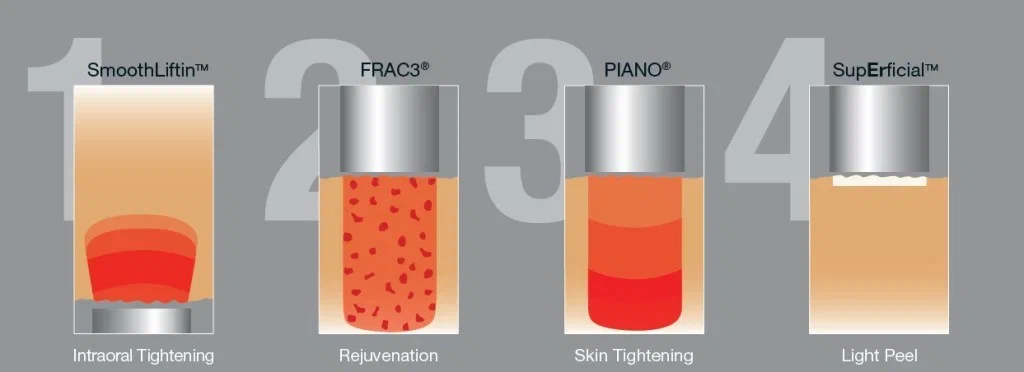
Modern advanced lasers don’t treat the skin in one solid sheet. Instead, they use fractional technology(working like a fine sieve). The laser beam is split into thousands of microscopic zones, leaving a grid of tiny treatment points on the skin.
The Secret to Quick Healing: Between these tiny treatment zones lie areas of completely untouched, healthy skin. These healthy cells act as bridges, driving incredibly fast healing and recovery.
The Biological Response: Why Your Skin Restarts Its Youth
The real magic happens beneath the surface immediately after your treatment. Your body views this controlled thermal energy as a signal to completely rebuild and protect itself.
- The SOS Signal: Surrounding healthy cells realize a nearby zone needs repair. They instantly begin releasing signaling molecules (growth factors) that kickstart an emergency renewal mode.
- Waking Up Fibroblasts: In the deeper dermal layers fibroblasts are jolted awake. While their natural activity slows down after the age of 25 to 30, the laser’s warmth forces them to divide and multiply rapidly.
- The Collagen Boom: These newly active fibroblasts begin mass-producing fresh Type III collagen, elastin, and hyaluronic acid, creating a plush, bouncy, and well-hydrated skin layer.
- Texture Replacement: If you have an uneven texture, like a pitted acne scar or a surgical scar, the fresh collagen grows from the bottom of that indentation upward, lifting it. Simultaneously, the laser smooths the sharp edges from above. This dual action is the secret behind a perfectly smooth skin surface.
Technology & Devices
To deliver unmatched results with tailored recovery times, our Dubai clinic features two of the world’s most elite, complementary laser platforms:
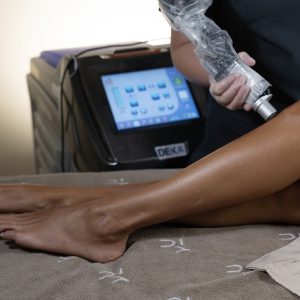
The Fotona Laser System (Deep Resurfacing & Remodeling): This is our powerhouse platform for structural changes. It allows our doctors to perform both full-field and fractional ablative resurfacing. It is highly effective at smoothing deep wrinkles, tightening loose skin, and completely restructuring severe acne scars or surgical scars by precisely vaporizing damaged tissue and forcing a total skin rebuild.
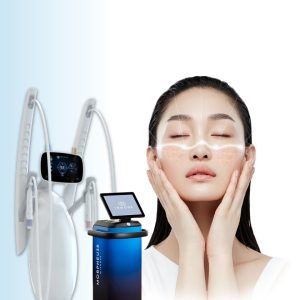
MOXI Laser Therapy (The Ultimate Pre-Event Glow & Refresh): If you cannot afford downtime or want to treat sun damage and early signs of aging, MOXI is a game-changer. It is a gentle, non-ablative fractional laser that works by deeply warming the tissue without breaking the surface of the skin. It is exceptionally safe for all skin types (even darker tones common in the region), targets stubborn pigmentation, refines pores, and leaves you with an immediate, radiant glow.
Results and What to Expect
Your timeline for results goes hand-in-hand with your skin’s natural healing cycle:
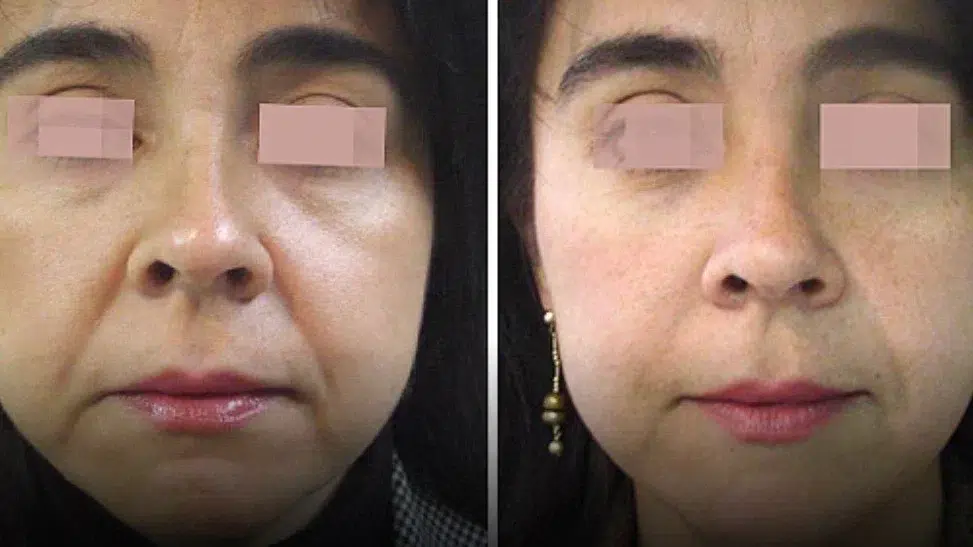
You will notice a fresher, brighter complexion and tighter pores as soon as the initial post-treatment swelling subsides, typically within 1 to 2 weeks. The ultimate lifting effect and maximum texture smoothing reveal themselves over 2 to 3 months, which is the exact amount of time your body needs to construct a brand-new collagen matrix. Depending on your genetics, lifestyle, and home skincare routine, your stunning results can last anywhere from 1 to 3 years.
How Many Sessions Do You Need?
For general skin maintenance, preventing aging, or getting a red-carpet glow, a single session of MOXI is often all it takes. However, if you are treating deep wrinkles, laxity, or pronounced acne scarring with the Fotona laser, your doctor will likely recommend a tailored course of 2 to 4 sessions spaced a few months apart.
Key Aesthetic Indications
Laser treatments are incredibly versatile, making them a staple for correcting both genetic signs of aging and acquired skin flaws:
- Aging Concerns: A network of fine expression lines, deep structural wrinkles, skin laxity, and a loss of bounce.
- Structural Flaws: Pronounced scars from injuries or surgeries, alongside post-acne scarring (uneven skin indentations and pitting).
- Textural Imperfections: Significantly enlarged pores, rough patches (hyperkeratosis), and a dull, tired, or grey complexion.
- Sun Damage & Pigment: Sunspots, dark patches (hyperpigmentation), stubborn freckles, and post-inflammatory dark marks left behind by old breakouts.
Does it hurt?
We apply a premium, medical-grade numbing cream before the procedure. You will not feel sharp pain; instead, most patients describe the sensation as a manageable tingling accompanied by bursts of warm air.
Contraindications to Keep in Mind
Your health and safety come first. We do not perform laser resurfacing if you have any of the following conditions:
- Pregnancy or breastfeeding.
- Active oncological conditions, including ongoing radiation or chemotherapy.
- Chronic skin conditions in their active phase (e.g., psoriasis or atopic dermatitis in the treatment zone).
- Severe, uncontrolled systemic conditions such as advanced diabetes.
- A fresh tan obtained within the last 2 to 3 weeks (this is vital in Dubai to avoid unwanted hyperpigmentation or burns).
- A known tendency to form keloid scars.
Note: If you have an active breakout or fresh blemishes, we will treat the active inflammation first before proceeding with your laser session to ensure a safe and sterile environment.
Recovery and Dubai-Specific Aftercare
Can you get laser resurfacing without putting your social life on hold? Thanks to modern fractional settings, recovery is smoother than ever, but your skin will need some downtime depending on the device used:
- With MOXI Therapy: Expect mild redness and a warm sensation for a few hours. Over the next 3 to 5 days, your skin will develop a fine, sandpaper-like texture (called MENDs) that naturally flakes away, revealing baby-smooth skin. You can easily wear makeup the very next day.
- With Deep Fotona Resurfacing: This involves a more intense process. Expect pronounced redness, swelling, and a uniform peeling or micro-crust phase that can take 7 to 14 days to fully clear.
Critical Post-Treatment Rules:
Healing depends on what you do afterwards. Follow these rules:
- Sun Protection is Non-Negotiable: The Dubai sun is your skin’s biggest enemy post-laser. For at least one month, you must wear a broad-spectrum SPF 50+ daily and reapply it regularly. Avoid direct sun exposure.
- Keep it Cool: Avoid hot showers, steam rooms, saunas, and swimming pools for 1 to 2 weeks.
- Put Away Actives: Do not use harsh face scrubs, chemical peels, or skincare products containing retinol or strong alpha/beta-hydroxy acids for the first week.
- Pause the Gym: Avoid heavy workouts and intense sweating for 4 to 5 days post-treatment.
Conclusion
Laser skin resurfacing is one of the most effective, highly controlled, and reliable methods available today for deep skin rejuvenation. Whether you want to gently erase sun damage and get a luminous glow with MOXI, or smoothly re-texture deep scars and wrinkles with our Fotona platform, advanced laser technology can completely transform your skin. In the hands of our expert doctors, you can safely unlock an impeccably smooth, even-toned, and youthful complexion.
Medical disclaimer: This page is for informational purposes only and does not replace a medical consultation.
License statement: MED YU MED operates under DHA License 6589480.
Individual results caveat: Results vary by diagnosis, skin type, and individual response.
Risks of laser resurfacing
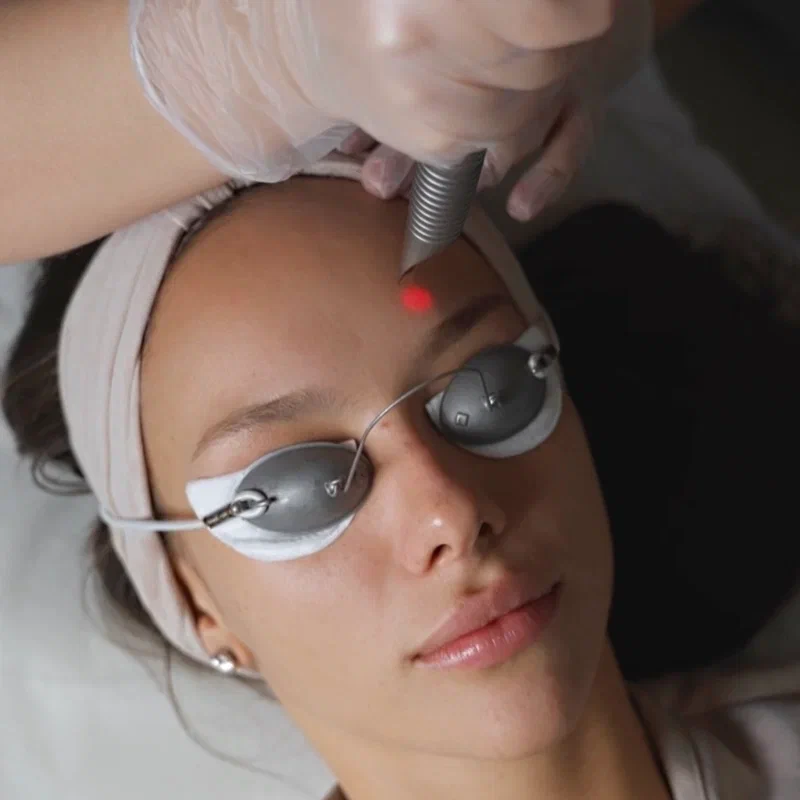
The risk profile follows the mode. Gentle passes carry mainly redness and warmth; ablative resurfacing removes surface skin and carries the risks of a controlled wound: burns, blistering, prolonged redness, infection, herpes reactivation, delayed healing and scarring. Pigment change in either direction, post-inflammatory hyperpigmentation in particular, is the risk that matters most on skin types IV to VI, which are common in Dubai, and it can take months to fade. Treatment close to the eyes carries a risk of ocular injury, which is why protective eyewear is worn by everyone in the room and the doctor sets what can be treated and how.
Tell the clinic about photosensitising medicines such as isotretinoin, doxycycline or St John’s wort, about recent sun exposure or tanning, and about any history of cold sores, since antiviral cover is usually started before facial resurfacing. Moles and pigmented lesions are examined by a doctor first: a laser must never be aimed at an undiagnosed lesion.
When resurfacing is not done
- Pregnancy and breastfeeding
- Recent sun exposure or active tan on the treatment area
- Photosensitising medication, after doctor assessment
- Active infection, herpes or open wounds in the treatment area
- History of keloid or abnormal scarring
- Skin cancer or suspicious pigmented lesions in the treatment area
This list is not exhaustive. Other conditions, medicines and previous treatments may also rule the treatment out or change the plan. Final suitability is determined by a clinician at an in-person assessment.
If something goes wrong afterwards
Call MED YU MED on +971 52 184 5011, daily 10:00-22:00, if you develop a blister, a burn or an open area of skin, pain that increases rather than eases, spreading redness with heat, or a fever. Any change in vision needs assessment the same day. Outside our opening hours go to the nearest emergency department or call 998 for an ambulance, rather than waiting for the clinic to reopen. The clinic does not operate 24 hours.
This guide is also available in Arabic: النسخة العربية
Related articles

Medically reviewed by