Published 27 May 2026 · Updated 30 September 2026
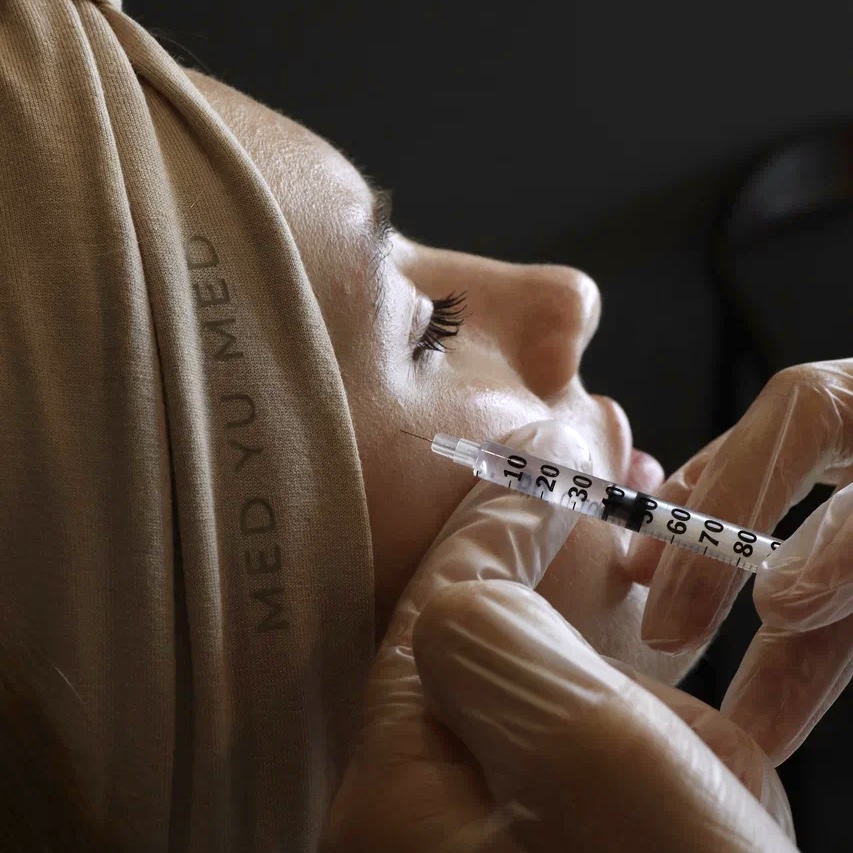
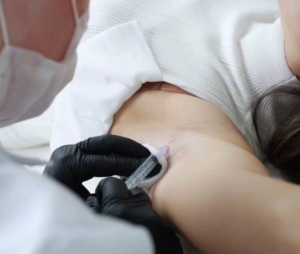
Botulinum toxin has long been one of the most requested treatments in modern aesthetic medicine. Whether it is smoothing fine lines, managing hyperhidrosis treatment (excessive sweating), or refining facial contours, millions of patients worldwide choose Botox injections for their speed and predictability. However, every now and then, practitioners meet a patient who says,
“Botox simply doesn’t work on me.”
Is true immunity to botulinum toxin real, or are there specific medical reasons behind a lack of results? Let’s look at the science behind why a treatment might not deliver.
True Immunity: An Extremely Rare Exception
Let’s start with the most reassuring fact: true, genetically inherited resistance to botulinum toxin Type A is exceptionally rare, affecting less than 1% of the global population. This is usually linked to specific, unique traits in a person’s neuromuscular receptors.
Unless a patient has previously undergone treatment for complex neurological conditions using massive, medical-grade doses of the toxin, the chances of being truly immune are close to zero. In the vast majority of cases, a suboptimal result has a perfectly logical, predictable, and correctable cause.
The Real Reasons Behind a Suboptimal Result
- Over-frequent Treatments
This is the most common reason for a lack of results in clinics today. Botulinum toxin contains specialized proteins. If it is administered too frequently (such as minor top-ups or touch-ups every month or two) the body’s immune system can begin to treat it like a foreign object or a vaccine.
The body activates a defense mechanism, creating neutralizing antibodies. During the next session, these antibodies clear the product before it can even bind to the nerve endings. To avoid this, maintaining proper intervals between treatments is vital. A gap of at least 3 to 4 months, or waiting until full muscle movement returns, is highly recommended.
- Counterfeit Products and Storage Failures
Authentic, certified products require precise temperature control from the factory all the way to the clinic. If the product isn’t kept in specific conditions for even a short period, the delicate protein structure breaks down, and the product loses its potency.
Unfortunately, the unverified market still contains counterfeit products with no quality control over composition or logistics. If a patient receives an injection of a compromised solution, it simply will not work. This is why choosing a licensed aesthetic clinic Dubai that partners directly with official distributors is the best way to safeguard results.
- Recent Viral Infections
Practitioners have noted that patients who recently experienced severe viral infections (such as COVID-19) or who got certain vaccinations may display a temporary heightened immune response. When the body is in a state of high alert, its active immune system can occasionally neutralize the botulinum toxin prematurely.
However, this is temporary and easily managed. A follow-up consultation at the two-week mark allows the doctor to safely evaluate muscle movement and adjust the dosage or switch to an alternative brand if necessary.
- Systemic Nutrient Deficiencies
A lesser-known clinical fact is that botulinum toxin requires certain micronutrients to effectively bind to nerve receptors. The most crucial of these is Zinc. If a patient has a chronic, deep zinc deficiency, the treatment may yield a weaker result or wear off much faster than expected. Additionally, an exceptionally high metabolism, certain courses of antibiotics, or visiting saunas immediately after treatment can shorten the longevity of the results.
The Myth
A common misconception among patients is:
“The longer I get Botox, the more units I will need because my body gets used to it.”
Science has thoroughly debunked this myth. In broader neurology, botulinum toxin has been used for decades in doses tens of times higher than those used in aesthetics (to treat muscle spasms and conditions like cerebral palsy) with no loss of efficacy reported.
Why do required doses sometimes change over the years? It comes down to natural anatomical changes. As the face ages, certain muscles naturally lose tone, while others (like the depressor muscles that pull facial features down) become overactive. Aesthetic medicine also evolves, offering new techniques. Therefore, increasing units is typically a response to changing anatomy or an upgrade in treatment techniques, rather than a built-in tolerance to the product.
What to Do If Your Treatment Didn’t Work?
If 14 days have passed, which is the standard window for the product to fully take effect, and muscle movement remains unchanged, here is what can be done:
- Get in touch with your cosmetologist: Avoid visiting a different clinic to get a secret top-up, as stacking different sessions too closely can trigger antibody production.
- Review your recent medical history: Share details about any supplements or medications taken, recent illnesses, or your post-treatment routine with your doctor.
- Have a formal assessment: Your doctor will perform muscle tests, evaluate tissue density, and find a solution. This might involve a safe dose adjustment, waiting a short period for the immune system to reset, or switching to a different formulation of the toxin.
Modern aesthetics is built around safety and personalized care. If you are looking for reliable results from Botox in Dubai, partnering with an experienced specialist ensures that any unexpected response can be managed with professional precision.
If you are planning a new Botox treatment, see Botox in Dubai: zones, reference doses and prices per unit.
Medical disclaimer: This page is for informational purposes only and does not replace a medical consultation.
License statement: MED YU MED operates under DHA License 6589480.
Individual results caveat: Results vary by diagnosis, skin type, and individual response.
Related articles

Medically reviewed by

Botox (Botulinum Therapy) at MED YU MED: prices
- Botox - 1 unit, wrinkle correction (price per unit)40 AED
- Dysport - 1 unit, wrinkle correction (price per unit)28 AED
- Nabota toxin - 1 unit (price per unit)35 AED
Treatment page and booking · full price list
The final protocol and cost are confirmed at an in-person consultation.