Published 2 April 2026 · Updated 9 September 2026
Reviewed by the MED YU MED medical team (DHA-licensed physicians). Tofacitinib is prescription-only and requires specialist supervision.
A new clinical study has sparked interest in the world of dermato-cosmetology — researchers found that oral tofacitinib, a JAK inhibitor, may be a promising treatment for rare non-infectious granulomatous reactions following mesotherapy. The small series, published in the Journal of Cosmetic Dermatology, showed significant improvements in all patients without side effects. This finding could offer new hope for individuals facing stubborn complications from otherwise popular aesthetic procedures, and raises important questions for both aesthetic practitioners and their patients about managing complications safely and effectively.
Granulomatous Reactions After Mesotherapy: A Rare but Troublesome Complication
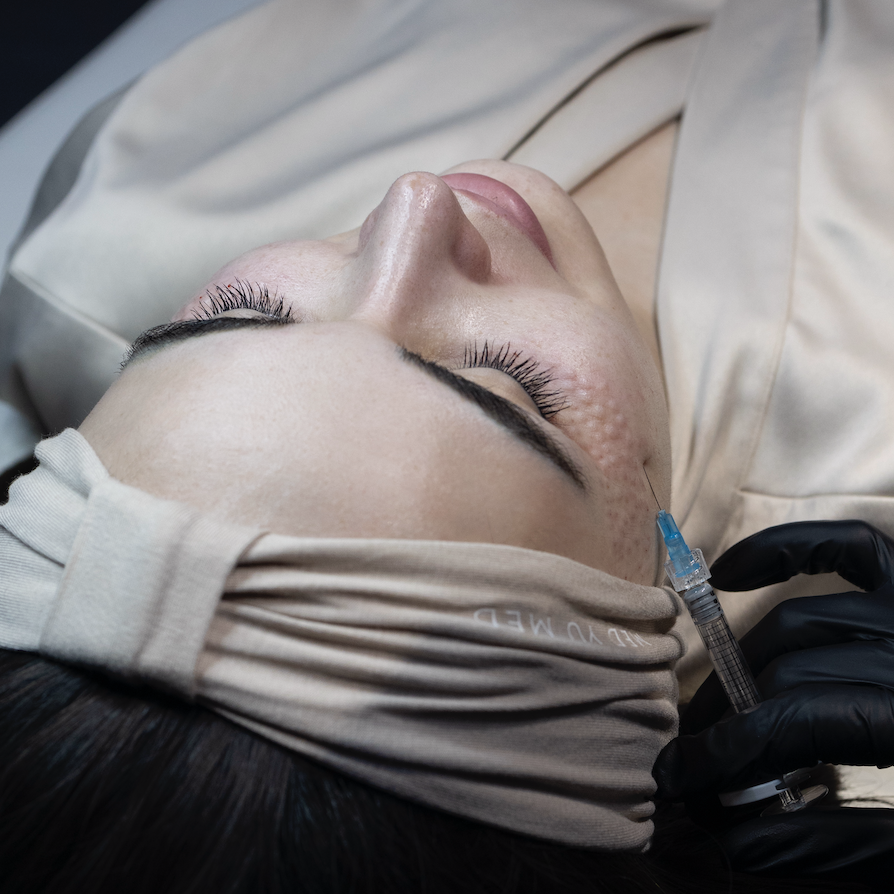
Mesotherapy — those micro-injections beloved by many for revitalizing skin or treating hair loss — is generally considered safe. Most patients experience only temporary effects like mild swelling, redness, or occasional bruising. However, in rare cases, inflammatory reactions with granuloma formation can develop, turning routine skincare into a drawn-out dermatological challenge. From my clinic work, I’ve seen perhaps one or two suspected granulomatous cases over hundreds of procedures — it is uncommon, but when it happens, both patients and doctors can feel at a loss for clear solutions.
The Study’s Findings: Tofacitinib as a New Solution?
The news highlights a recent retrospective analysis from a Chinese university hospital, where six patients developed persistent skin eruptions following mesotherapy. These individuals were prescribed a daily 5 mg dose of tofacitinib for a month. Outcomes were impressive: significant improvement was noted in all, without any reported side effects during the observation period. For context, “complete remission” was defined as full resolution of symptoms, while “partial remission” meant clear improvement but with lingering issues like slight pigmentation or minimal redness.
What Is Tofacitinib and How Does It Work?
Tofacitinib is an oral medication from the class of Janus kinase (JAK) inhibitors, traditionally used in rheumatology and dermatologic conditions like rheumatoid arthritis or certain forms of alopecia. It blocks specific pathways that fuel inflammation. In the context of granulomatous reactions, tofacitinib reduces the inflammatory signals that drive the formation of granulomas, those small clusters of immune cells that can get “stuck” after an insult such as injectable treatments. This mechanistic basis gives the clinical results scientific plausibility, especially as similar effects have been seen in other granulomatous diseases.
How Common Are These Complications?
Reassuringly, granulomatous reactions remain exceedingly rare compared to more expected side effects like swelling, mild papules, or temporary redness. Most mild reactions resolve quickly with simple care: gentle cleansing, SPF protection, and avoiding laser, sauna, or active skincare for a few days. Long-lasting nodules or signs of granulomatous inflammation demand a longer follow-up with your dermato-cosmetologist. The right cosmetic protocols (from mesotherapy with sterile technique to appropriate aftercare) make such complications the exception, not the rule.
Device-Based Cosmetology: Learning from Injection Complications
Whether using microcurrents, fractional lasers, or advanced RF-lifting, aesthetic devices have enabled gentler, less invasive rejuvenation — and almost always avoid granulomatous issues. However, as consulting experience shows, techniques evolve, and so do complications. That’s why ongoing staff training, clear skincare checklists, and quality control in device and injectable protocols are crucial for clinic leaders. In our quality audits, clinics with open staff communication and rapid-response protocols reported far better outcomes across the board.
A Safety Note: Risks and Monitoring when Using Tofacitinib
While the six-patient study saw no adverse effects, tofacitinib is not without risk. Real-world use has been associated with headaches, gastrointestinal upset, blood pressure changes, higher risk of infections, and rare thromboembolic events. The principle is always to weigh risks and benefits, and only escalate to systemic treatments under close medical supervision. For patients: never self-medicate or demand prescription drugs without proper workup; for clinics: develop escalation protocols and ensure your team recognizes the red flags.
Prevention Is Always Better than Cure: Safe Practices in Mesotherapy
Why not avoid complications in the first place? Simple measures — no touching or washing the injected area for the first day, no sauna or intensive training for a week, diligent SPF use, and keeping your hands (plus serums!) off fresh injection sites — go a long way.
Industry Reflections: What Does This Mean for Clinics and Patients?
This study is encouraging, but let’s keep both feet on the ground: a case series of six does not rewrite the textbooks, but it opens discussion on safe escalation strategies for resistant cases. For clinic leaders and practitioners, continuous education in protocols and complications is key. For clients, picking a medical-led, well-audited aesthetic clinic remains the soundest strategy, and asking questions about who will support you if a reaction occurs is a sign of both intelligence and self-care.
Conclusions: Building Trust, Protocols, and New Possibilities
The appearance of new data on tofacitinib for granulomatous reactions invites cautious optimism and a reminder that in dermato-cosmetology, effective patient care starts with prevention, continues with evidence-based escalation, and never forgets the human factor. So, whether you’re a seasoned aesthetician or a curious client, remember: safe, mindfully beautiful skin is always a shared responsibility.
Need help with mesotherapy?
Leave a request and our specialists will contact you within 15 minutes — we’ll review your case and suggest a solution.
Get a consultation
Disclaimer:
This article is for educational purposes only and not a substitute for individualized medical advice. Always consult a qualified healthcare provider before starting new therapies.
Related reading
Frequently Asked Questions
What are granulomatous reactions after mesotherapy?
Chronic inflammatory nodular responses to injected material or immune triggers.
How can tofacitinib help?
As JAK inhibitor it may modulate inflammatory pathways in refractory cases.
What evidence exists?
Mostly case-based and small series evidence; promising but still limited.
Other treatment options?
Steroids, targeted medical protocols, and cause-specific interventions under specialist care.
How reduce risk in Dubai?
Use licensed clinics, authentic products, and seek early review for persistent nodules.
Medical disclaimer: This page is for informational purposes only and does not replace a medical consultation.
License statement: MED YU MED operates under DHA License 6589480.
Individual results caveat: Results vary by diagnosis, skin type, and individual response.
Related articles


Medically reviewed by

General Practitioner, Aesthetic Medicine Doctor
DHA License No. 09620692-002