Published 25 March 2026 · Updated 14 September 2026
This article was reviewed by the MED YU MED medical team (DHA-licensed physicians).
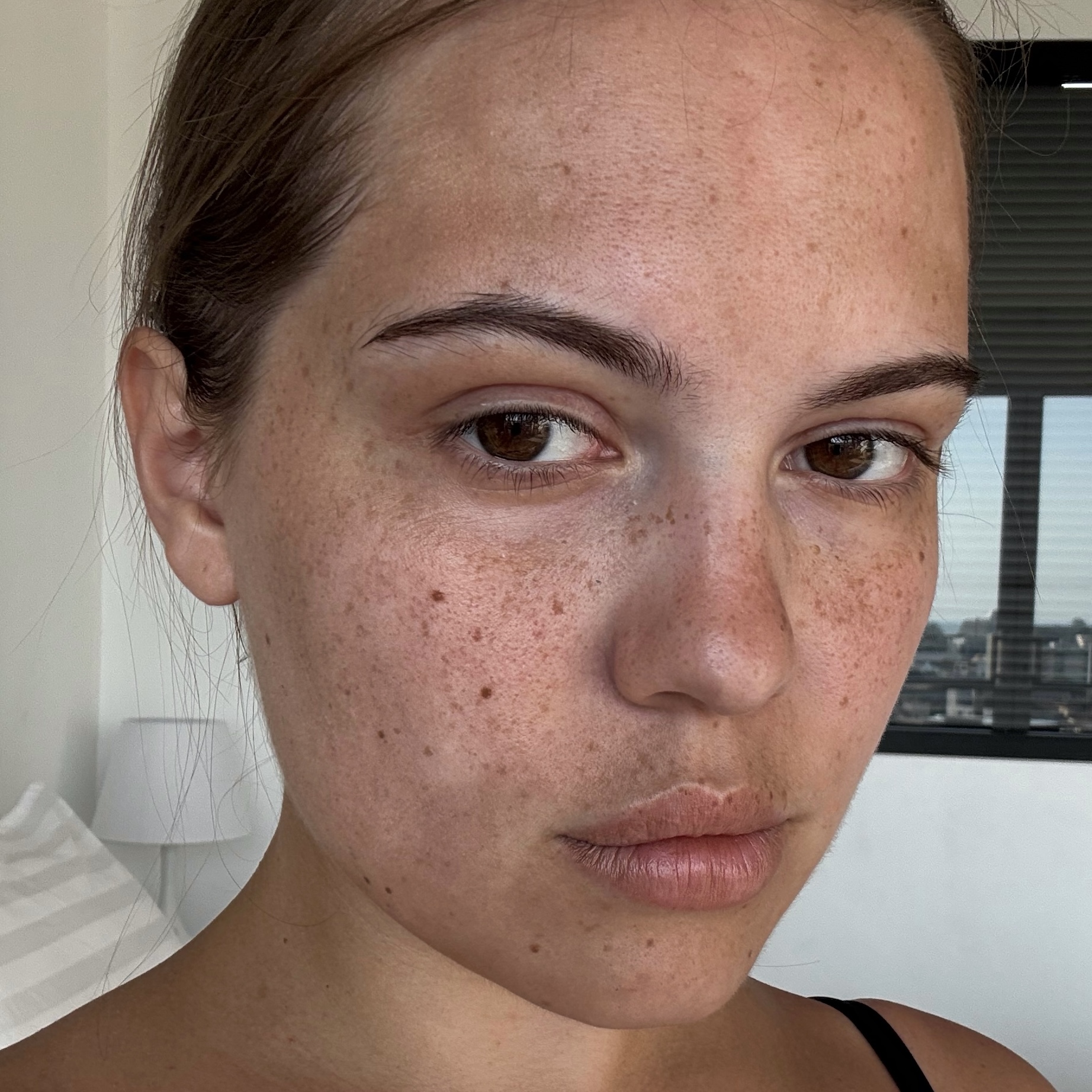
With the arrival of spring, the sun suddenly feels much stronger here in Dubai, and conversations about SPF are everywhere again. But for those already dealing with pigmentation, sunscreen alone often isn’t enough. Dark spots appear on the face, become more noticeable over time, and keep returning even after careful sun protection or single treatments.
Many patients tell us the same thing: standard approaches may give temporary lightening, but the problem keeps coming back. Typically it’s because it needs to be addressed on two levels: removing the existing pigment and changing the skin’s tendency to produce more.
Pigmentation remains one of the most common reasons people visit aesthetic clinics in Dubai. And it usually comes hand in hand with other changes: the skin looks duller, feels more sensitive, holds less moisture, and reacts quicker to the intense sun, air conditioning, and desert environment.
That’s why modern aesthetic medicine in Dubai is moving away from single-treatment solutions and towards thoughtful, combined approaches.
How Skin “Remembers” Damage and Why Pigmentation Keeps Returning
Melanocytes are the cells responsible for producing melanin to protect deeper layers of the skin. Once they receive a strong signal (whether from intense sun exposure, inflammation, or hormonal changes) they adapt. The next time they encounter a trigger, they respond faster and produce more pigment. This is why old spots often darken and new ones appear more rapidly.
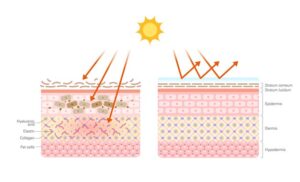
In Dubai’s climate, this effect is amplified. Many of us apply SPF irregularly (even on bright but seemingly “milder” days), live with high stress levels, and sometimes stop treatment once the visible spots fade. A weakened skin barrier, dehydration from air conditioning, and low-grade inflammation all keep melanocytes active, even after the pigment appears to have cleared.
How BBL Works for Hyperpigmentation
BBL (BroadBand Light) uses precise broad-spectrum light pulses that selectively heat clusters of melanin. The energy breaks the pigment particles into tiny fragments, which the body then clears naturally through the lymphatic system. Surrounding healthy tissue remains largely unaffected, while the deeper layers of the skin are stimulated to produce new collagen.
Research from Stanford University has shown that regular BBL treatments can shift the expression of over a thousand genes associated with skin ageing, making the skin behave more like younger skin at a molecular level. In clinical practice, many patients in Dubai notice visible lightening after just 1-2 sessions. However, without additional support, the results can gradually fade under the constant demands of our environment.
The Role of Biorevitalisation
Biorevitalisation uses non-cross-linked or lightly stabilised hyaluronic acid (such as Novacutan) delivered with amino acids and antioxidants. It restores deep hydration, strengthens the skin’s protective barrier, and helps normalise melanocyte behaviour, making them less reactive to external triggers.
Clinical studies confirm that these injections improve skin density, thickness, and elasticity while reducing signs of photo-ageing. Biorevitalisation doesn’t directly remove existing pigment, but it creates a healthier internal environment in which new pigmentation develops more slowly and less intensely.
Why Combining BBL and Biorevitalisation Is More Effective
BBL is excellent at clearing visible pigment, but on its own it doesn’t always prevent melanocytes from overreacting to Dubai’s intense sun, dry air, and daily stressors. Biorevitalisation complements it perfectly by rebuilding the skin’s barrier, improving hydration, and reducing cellular hypersensitivity.
Together, the two treatments work in synergy: BBL clears what’s already there, while biorevitalisation protects and stabilises the results for longer. Clinical observations show that this combined protocol delivers clearer, more even-toned skin with better longevity compared to BBL alone. A typical approach involves several BBL sessions for active lightening, with a biorevitalisation treatment introduced midway or at the end to lock in the improvement.
At MED YU MED, BBL and biorevitalisation are also offered together as part of a set plan: see combined aesthetic protocols for the composition, visit planning and prices.
A Real Patient Case
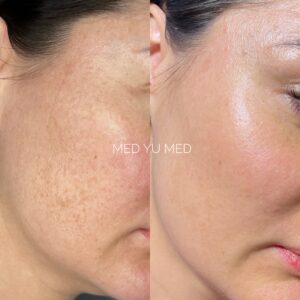
One of our patients came to the clinic after her pigmentation worsened following a beach holiday. The spots were particularly noticeable above her lip, on her cheeks and forehead. Her skin tone had become uneven and had a tired, dull appearance. She had previously relied only on basic skincare and occasional SPF.
Her doctor recommended a course of several BBL sessions (spaced 3–4 weeks apart) combined with one biorevitalisation treatment using Novacutan. The first changes appeared after the second BBL session — the stubborn spots above her lip began to fade noticeably. By the end of the course, her skin tone was significantly more even, redness had reduced, and her skin felt firmer and brighter.
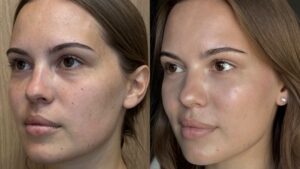
She shared: “I noticed a difference straight after the second treatment — especially the pigment above my lip started to disappear first. My skin tone became more even, both visually and to the touch, and it looked less tired with every session.”
She added: “What surprised me most was how quickly I could see results. I didn’t expect biorevitalisation to make such a visible difference beyond just hydration. It meant we could achieve this without aggressive peels.”
In Summary
Combining BBL and biorevitalisation allows us to treat both the visible signs of pigmentation and the underlying reasons why it keeps returning. In Dubai’s demanding climate, this balanced, two-pronged approach often provides the most predictable and longer-lasting results.
If pigmentation has been a long-standing concern for you and simple measures no longer help, it may be worth booking a consultation. A personalised plan can be created based on your skin type, lifestyle, and specific needs.
Frequently Asked Questions
What pigmentation can BBL treat?
Sunspots, freckles, PIH and selected melasma-related issues depending on depth and skin type.
Why BBL alone often insufficient?
It may clear visible pigment but not all recurrence drivers.
How biorevitalisation helps?
Improves hydration and dermal recovery to reduce relapse tendency.
Safe for darker skin?
Yes with careful settings and physician-led protocols.
How many sessions typical?
Often 1–2 BBL plus 2–3 biorevitalisation sessions.
Medical disclaimer: This page is for informational purposes only and does not replace a medical consultation.
License statement: MED YU MED operates under DHA License 6589480.
Individual results caveat: Results vary by diagnosis, skin type, and individual response.
Related articles

Medically reviewed by