


Published 26 February 2026 · Updated 19 August 2026
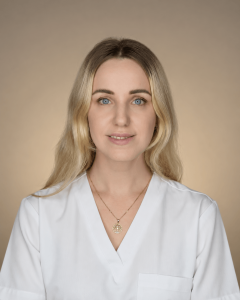
Medically reviewed by: the MED YU MED medical team (DHA-licensed physicians).
Last reviewed: May 2026
Recent research shared at the World Congress MCAS 2026 highlights a surprising knowledge gap: over 50% of women only learn about menopause’s impact on their skin after the fact. If informed earlier, more than 60% would have taken preventive action to preserve skin health. This discovery underscores the need for early education about menopause and skin changes, and provides a wake-up call for both the aesthetic cosmetology sector and women themselves. In this article, as an aesthetic medicine doctor and clinic consultant, I break down the study findings, discuss real-world skincare protocols for menopausal clients, and share key insights for professionals and patients alike.
Why Menopause Matters for Your Skin: The Science Behind the Survey
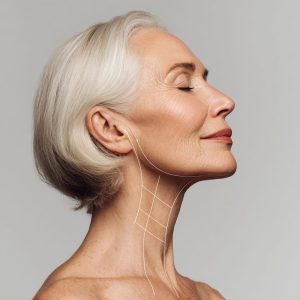
The recent research, presented by Galderma, involved a survey of over 4,300 women ages 45-60 experiencing peri- and post-menopause. The results are eye-opening: most did not anticipate menopause-related changes to their skin. These hormonal shifts, especially the marked drop in estrogen (up to 30% in the first five years), ramp up the breakdown of collagen and elastin, leading to loss of elasticity and increased wrinkles. Hyaluronic acid levels also dip, causing dehydration, dryness, and itchiness—often surprising women just as their skin demands more care.
The Reality Check: When Women Discover Menopause’s Effect on Skin
A striking 50% of women only realize menopause can impact their skin barrier and appearance after these changes have begun. More than a third wish they’d learned about it in their 30s, highlighting widespread gaps in both public health education and skincare marketing. In my practice, I’ve met many patients arriving for their first anti-aging consultation after signs of dehydration and loss of glow have set in. Earlier intervention can make all the difference.
Menopausal Skin: Main Concerns and Emotional Impact
Surveyed women reported facial wrinkles (59%), loss of elasticity (58%), persistent dryness (56%), and dullness (40%) as top concerns, with nearly as many reporting similar changes on their bodies. But menopause impacts more than image: 60% of respondents said these changes hurt their sense of attractiveness, self-confidence, and social activity—fueling increased anxiety. I often see similar emotional threads in the clinic: patients not only seek skin improvement but a return of inner assurance.
Should We Treat or Prevent Menopausal Skin Changes?
Here’s the paradox: while 49% of women try to remedy existing changes, only 26% focus on prevention. Yet, over 60% say they’d have acted sooner—had they known. Prevention is the holy grail in anti-aging and dermato-cosmetology. Early consultation means more options, less invasive protocols, and better long-term results.
Real Clinic Cases: From “Corrective” to Preventive Protocols
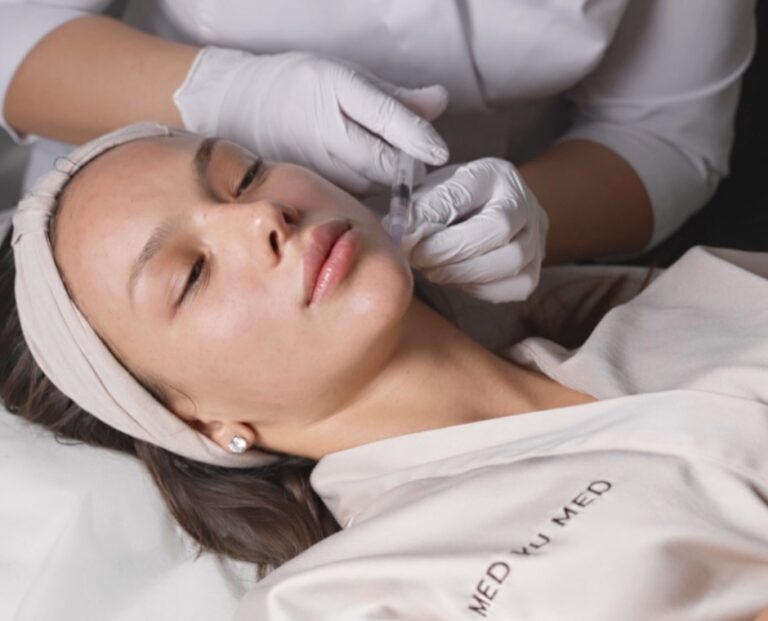
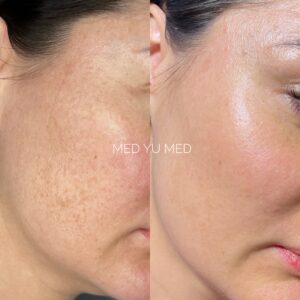
Let’s get specific. In my clinics, I routinely consult women troubled by abrupt skin aging post-menopause. For example, one patient, 53, came in with pronounced dryness, tightened pores, and facial creping. Rather than jumping to deep peels, we built a regimen of mild mesotherapy with hyaluronic acid, gentle retinol, barrier-strengthening creams with ceramides, and in-office RF tightening for laxity.
Another patient, 48, worried about early jowling and pigment spots, benefitted from light IPL/laser modalities and low-dose botulinum therapy for brow-lift—together with lifestyle coaching for stress/hormone balance.
Why Education Should Start Earlier: Insights from Consulting Clinics
The data (and my own consulting experience) shows the earlier we educate women about menopause and skin—ideally in their 30s—the higher their engagement with prevention, skincare, and wellness. As a mentor to younger doctors, I emphasize not only device selection or protocol recipes, but how to frame long-term skin care as a journey. Patient trust and loyalty skyrocket when the conversation starts before the first wrinkle sets in.
Nutrition and Phytoestrogens: Support from the Inside Out
Emerging evidence suggests phytoestrogens—plant compounds similar in action to estrogen—can help sustain collagen synthesis, especially types I and III lost fastest during menopause. Soy products, flaxseed, and red clover are examples. Nutritional coaching is integral to my protocols, especially for patients seeking holistic wellness approaches. The right diet can’t replace professional treatments, but it can synergize beautifully.
Skin Barrier, Sensitivity, and Post-Procedure Recovery
During menopause, thinning of the epidermis leads to compromised barrier function—making skin more sensitive to chemicals, sun, and pollution. I always adapt protocols: starting with a patch test for new products and prioritizing non-aggressive devices in device-based cosmetology. For post-procedure recovery, hydration and SPF become absolutely non-negotiable; even the classic “just moisturizer” isn’t enough.
Modern Corrections: Redermalization, Biostimulation, and More
While hyaluronic acid injections and mesotherapy remain mainstays, new approaches like redermalization—using high-molecular-weight hyaluronic acid—allow us to trigger visible improvement in skin density and glow, with minimal trauma. I’ve seen excellent results pairing these with biostimulators, or microcurrent sessions for maintenance. The choice of method always depends on in-person assessment: no “one-size-fits-all”, no guarantees.
Holistic View: Skincare and General Health in Menopause
Skin is a mirror for deeper changes: declining estrogen can mean not only more wrinkles but higher risks for osteoporosis and cardiovascular issues. That’s why I always advise a partnership with gynecologists and endocrinologists, especially for complex cases. Aesthetics and health are inseparable in today’s mindful beauty movement.
What every woman should know about menopause and skin: science, prevention, and best clinic strategies. Start proactive skincare—expert advice inside!
Need help with menopause and skin changes?
Leave a request and our specialists will contact you within 15 minutes — we’ll review your case and suggest a solution.
Disclaimer:
This article is for informational purposes only. Please consult your doctor or aesthetician before starting any new treatment or supplement.
Related reading
Frequently Asked Questions
How does menopause affect skin texture and elasticity?
During menopause, oestrogen levels decline significantly, leading to reduced collagen production and increased dryness.
At what age should women start preventive skincare for menopause-related skin changes?
Preventive skincare ideally begins during perimenopause, often in the mid-40s.
What professional aesthetic treatments are available for menopausal skin in Dubai?
Evidence-based options include biorevitalisation, polynucleotides, PRP, RF and peels with physician protocols.
Can hormonal changes during menopause cause new pigmentation spots?
Yes, hormonal changes can disrupt melanin regulation, especially with high UV exposure.
Does diet influence how menopause affects the skin?
Yes, nutrition supports skin health and should complement professional care.
Medical disclaimer: This page is for informational purposes only and does not replace a medical consultation.
License statement: MED YU MED operates under DHA License 6589480.
Individual results caveat: Results vary by diagnosis, skin type, and individual response.
Related articles

Medically reviewed by
Biorevitalization at MED YU MED: prices
- Profhilo - 2 ml2100 AED
- Viscoderm Hydrobooster3000 AED
- Xela Rederm silver 1.1% - 2 ml2100 AED
Treatment page and booking · full price list
The final protocol and cost are confirmed at an in-person consultation.


