Published 25 February 2026 · Updated 9 September 2026
Medically reviewed by: the MED YU MED medical team (DHA-licensed physicians).
Last reviewed: May 2026
Causes, Mechanisms, and Modern Treatment Approaches in Dubai
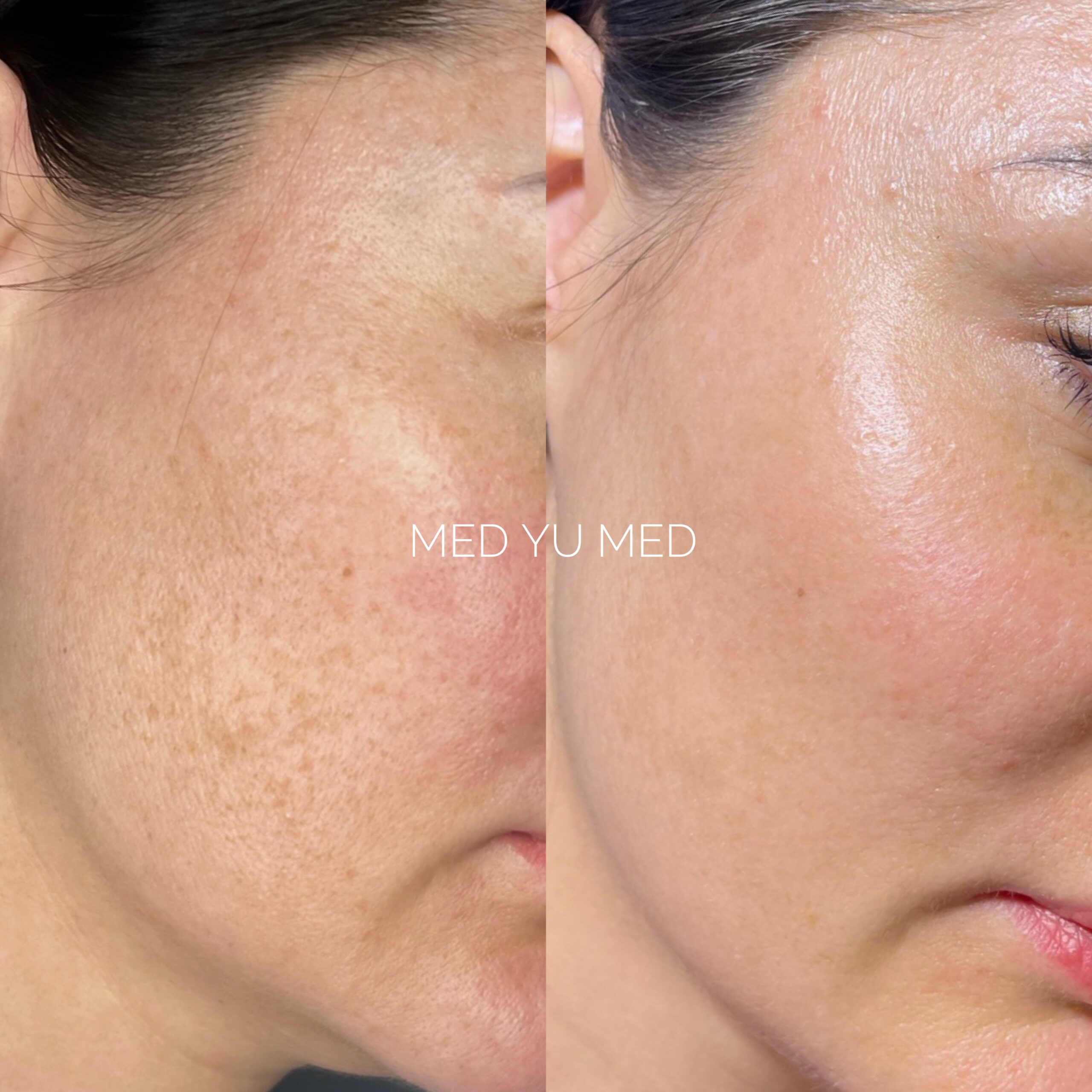
Skin color is determined by a complex network of biological processes involving hormones, enzymes, and the body’s protective responses. When this system becomes imbalanced, areas of hyperpigmentation may develop, often recurring or persisting for a long period of time. For this reason, effective treatment is needed to remove visible spots and address the underlying triggers responsible for their formation.
Modern aesthetic medicine considers hyperpigmentation a multifactorial condition in which sun exposure, hormonal influences, inflammation, and genetic skin characteristics all play significant roles.
What Is Skin Pigmentation?
Pigmentation is a natural process responsible for the coloring of the skin, hair, and eyes through melanin — a protective pigment produced by melanocytes in response to ultraviolet radiation. When melanin production becomes excessive or uneven, hyperpigmented areas appear as spots of varying intensity and tone.
It is important to distinguish between:
Pigmentation — a normal physiological process of melanin production
Hyperpigmentation — an excessive or pathological accumulation of pigment
Disorders can be either congenital or acquired, with pigmented areas varying in depth, shape, and color, which directly influences the choice of correction methods.
Common Types of Pigmentation
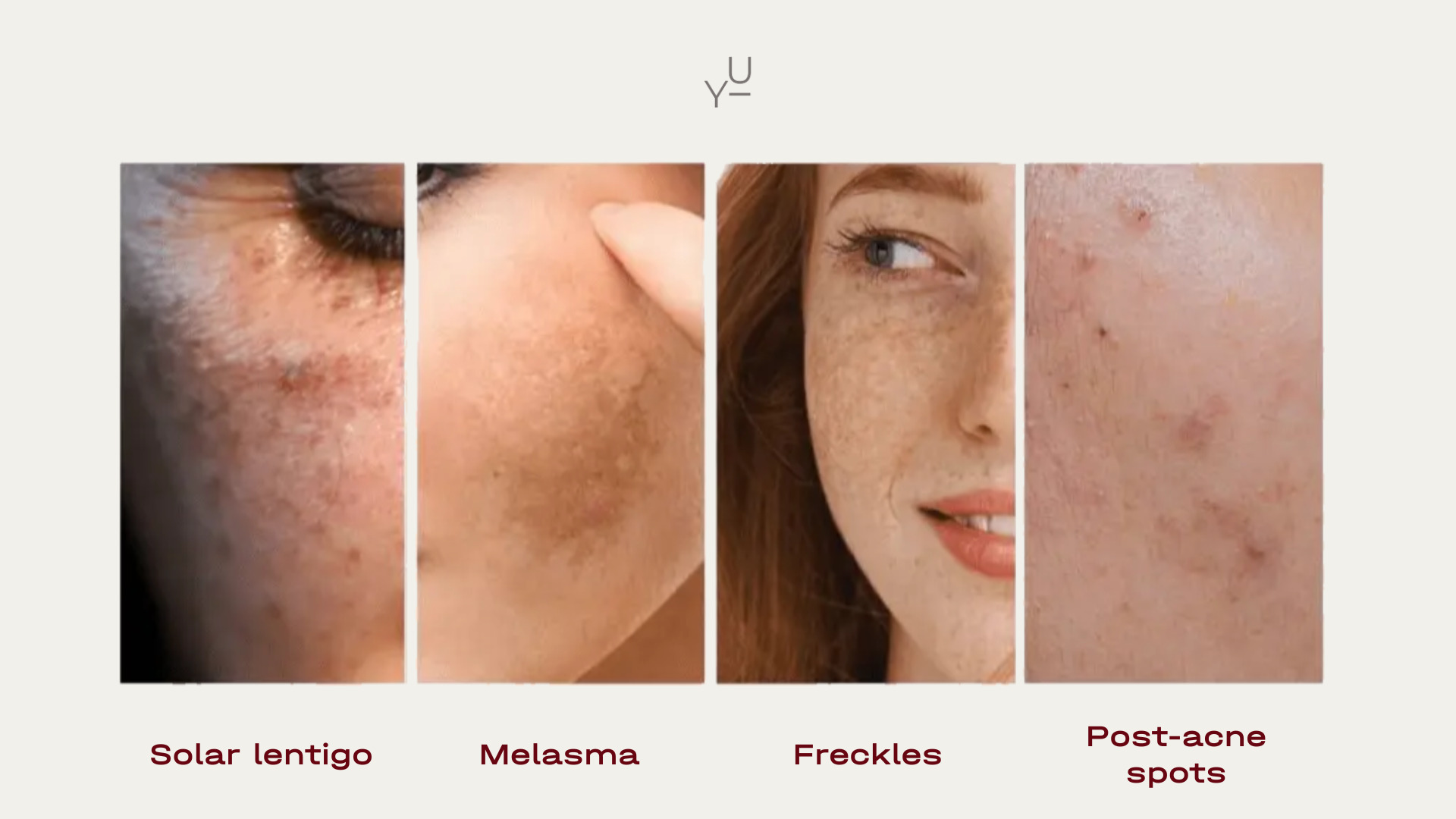
Clinical practice shows that hyperpigmentation can have different origins, making accurate diagnosis essential before treatment.
| Type | Cause | Characteristics |
| Freckles (ephelides) | Genetic predisposition | Intensify in summer, not pathological |
| Melasma | Hormonal changes, sun exposure | More common after 40 |
| Lentigo | Aging, photodamage | Чаще после 40 лет |
| Post-inflammatory hyperpigmentation | Acne, skin injury | Appears after injury |
| Drug-induced pigmentation | Medications | May be associated with itching |
In most cases, pigment spots are not associated with serious disease and do not pose a health risk. However, a visible cosmetic concern can significantly affect quality of life and psychological well-being.
Why Does Pigmentation Develop?
Melanin synthesis is regulated by a complex system involving hormones, enzymes, and signaling molecules, which means internal and external changes can directly influence the skin.
Key contributing factors include:
- Ultraviolet radiation
- Hormonal fluctuations
- Age-related changes
- Inflammatory processes
- Skin trauma
Though it’s important to understand that individuals vary in their predisposition to melanin production. There are six phototypes typically described, each responding differently to ultraviolet exposure. Lighter skin tends to burn more easily due to increased sensitivity to photodamage, while naturally darker skin may be more prone to pigmentation following procedures such as laser hair removal.
Why Does Pigmentation Return After Treatment?
Pigmentation often recurs because the skin retains a “memory” of previous damage. Once melanocytes have been activated by inflammation or ultraviolet exposure, they tend to respond more quickly and intensely when triggered again, since the protective mechanism has already been established.
The main causes of recurrence are usually the same factors that initiated pigmentation initially:
- Year-round ultraviolet exposure: even minimal sun can reactivate melanocytes, particularly without SPF protection
- Skin memory: previously stimulated melanocytes respond more aggressively than unaffected cells
- Hormonal changes: pregnancy, contraceptive use, or thyroid disorders may lead to persistent melasma that is difficult to eliminate completely
- Inflammation and injuries: acne or aggressive procedures may cause post-inflammatory pigmentation
- Internal factors: gastrointestinal conditions, vitamin deficiencies, or iron deficiency can contribute to recurrence
Treatment and Skincare Mistakes
Relapse is often associated with incorrect treatment strategies or poor adherence to recommendations.
Common mistakes can include aggressive home care that damages the skin barrier, lack of maintenance therapy after procedures, incorrectly selected treatment methods or inconsistent use of SPF protection.
A frequent misconception is that SPF indicates the percentage of sun protection. In reality, it reflects the duration of protection against sunburn compared to unprotected skin, and effectiveness depends heavily on phototype and individual sensitivity. Therefore, recommendations regarding SPF level and reapplication frequency should always be individualized by a specialist.
Modern Approaches to Treating Pigmentation
Effective correction relies on a comprehensive approach, as different methods target different stages of melanin formation. Promising treatments include peptide-based medicine that regulate melanocyte activity and injectable biorevitalization techniques that influence cellular processes. Additional methods may include:
- Phototherapy and light-based technologies
- Chemical peels
- Brightening injectable cocktails
- Medical-grade cosmeceuticals
A combined strategy allows treatment to address both the underlying cause and visible manifestations, reducing the likelihood of recurrence.
Conclusion
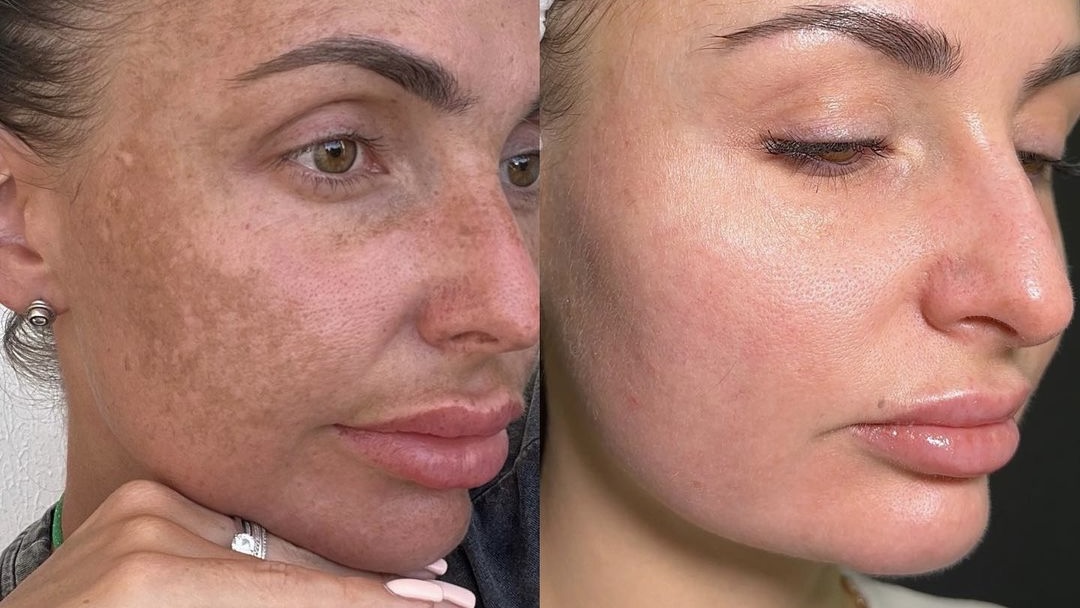
Skin pigmentation develops under the influence of multiple factors, and recurrence is usually associated with triggers that initially activated melanocytes. Understanding the biological mechanisms of hyperpigmentation enables more effective treatment and prevention strategies, supporting long-term improvement in skin quality.
Modern aesthetic medicine offers solutions aimed at removing pigment spots and at regulating melanogenesis itself — a key condition for achieving stable, lasting results.
Frequently Asked Questions
Main pigmentation types?
Melasma, PIH, lentigines, freckles with different triggers.
Why does it return?
Melanocyte reactivation by UV, hormones, inflammation.
Best melasma approach?
Multimodal protocol with strict photoprotection.
Risks for darker skin?
Higher PIH risk if protocols are too aggressive.
Is SPF alone enough?
Essential but usually not enough alone.
Medical disclaimer: This page is for informational purposes only and does not replace a medical consultation.
License statement: MED YU MED operates under DHA License 6589480.
Individual results caveat: Results vary by diagnosis, skin type, and individual response.
Related articles


Medically reviewed by