Published 7 October 2026
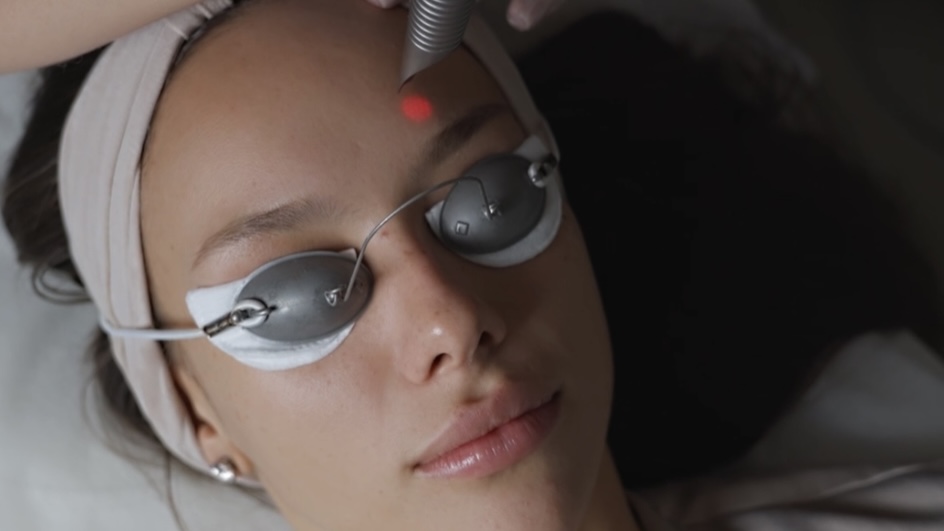
Fotona 4D is an advanced laser treatment used in aesthetic medicine to comprehensively improve skin quality, firmness, and elasticity through multi-level multi-mode laser action.
The key here is not a single laser pass or a standard setting. It is understanding how different wavelengths and modes work together across multiple layers of tissue. Fotona 4D combines distinct treatment modes that address both superficial skin texture and deeper structural changes.
Multi-Mode Laser Action
The Fotona 4D protocol typically incorporates distinct sequential steps, such as SmoothLiftin, FRAC3, PIANO, and SupErficial. Each mode targets a different depth and specific tissue characteristics.
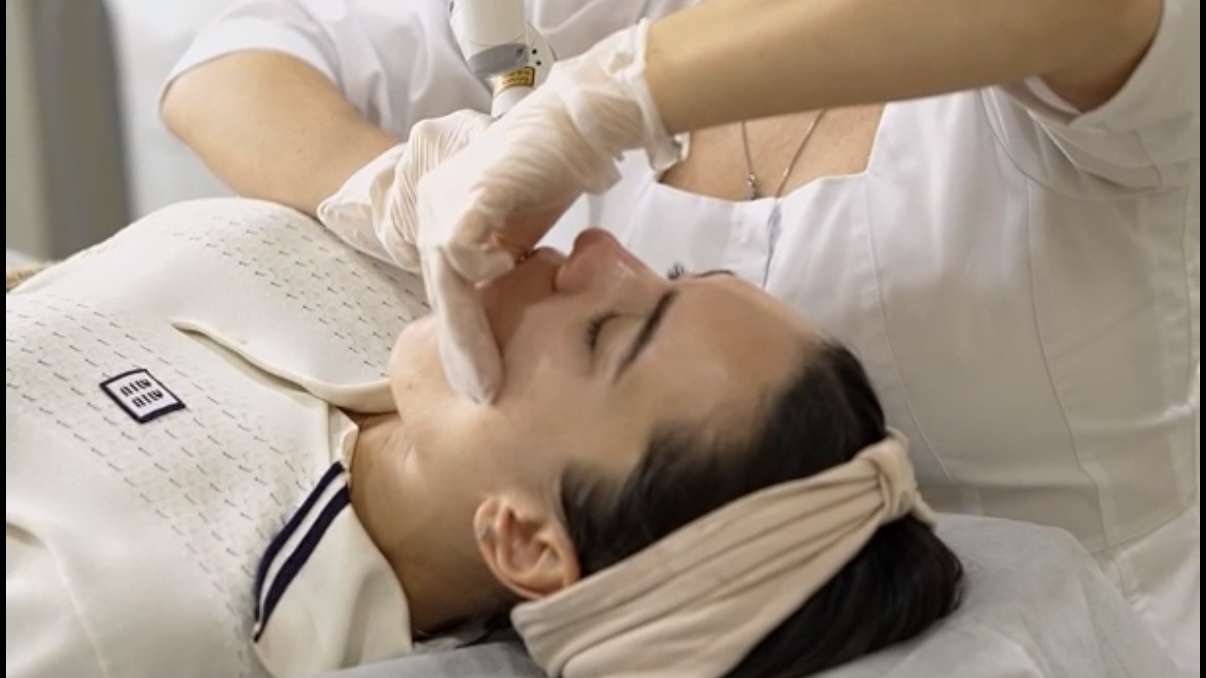
- SmoothLiftin is a non-ablative intraoral laser treatment that targets the tissue from the inside of the oral cavity, gently stimulating collagen contraction and tightening the lower and mid-face structures.
- FRAC3 targets deeper skin imperfections with short, high-peak-power fractional pulses, stimulating neocollagenesis while keeping the surrounding tissue safe.
- PIANO delivers safe, controlled bulk heating via long laser pulses, transferring energy uniformly to deep layers to tighten skin and improve overall laxity.
- SupErficial provides a light, cold ablation or micro-peeling effect that polishes the epidermal layer, reducing surface irregularities and giving the skin a fresh, radiant finish.
This multi-step approach is different from single-wavelength lasers that target only one depth or issue. Fotona 4D addresses structural support, laxity, texture, and tone within a single comprehensive session.
Tailored Treatment Planning Based on Individual Anatomy
One of the most important parts of treatment is knowing which tissue layers and specific aging concerns require the most attention for each patient.
The goal is not to apply a fixed set of parameters to every face. The doctor assesses facial structure, skin thickness, degree of laxity, and individual aging patterns before deciding whether the protocol is appropriate and how each mode should be adjusted.
Skin elasticity, subcutaneous fat distribution, and structural support can differ significantly from person to person. A standard treatment pattern cannot simply be copied from one face to another.
A well-planned treatment should take the patient’s individual anatomy into account rather than follow a generic template.
Managing gradual structural changes over time
Laxity and volume redistribution do not happen overnight. They develop gradually as collagen fibers degrade, skin thinned by age loses its resilience, and underlying support structures weaken.
When signs of aging become visible, Fotona 4D may help restore firmness and texture by stimulating deep tissue remodeling. When the concern involves both volume loss and surface imperfections, the approach depends on an individual medical assessment.
This does not mean laser treatment can permanently stop aging. Genetics, sun exposure, natural tissue changes, and lifestyle factors continue to play a role over time. That is why the doctor looks at the whole picture rather than treating a single sign of aging in isolation.
Recognizing treatment limitations
If a concern is related to severe structural bone resorption or advanced skin sagging where surgical intervention is necessary, non-invasive laser tightening may not be sufficient to achieve the patient’s goals.
The same applies to concerns such as deep localized fat pads or dynamic expression lines that require botulinum toxin. These require specific alternative approaches, and a consultation may lead to a completely different treatment plan.
The Importance of an Initial Medical Consultation
At MED YU MED, the doctor first determines what the patient actually wants to change and whether the Fotona 4D protocol is appropriate for that concern.
The doctor assesses skin condition and anatomy, discusses the expected effect, and explains possible risks and limitations before treatment.
In Dubai, laser and energy-based cosmetic procedures are regulated by the Dubai Health Authority and must be performed by trained and privileged licensed physicians. Written informed consent and patient information about risks, possible complications, and expected outcomes are part of the DHA requirements.
That is why advanced laser treatments should be approached as medical procedures rather than routine beauty services.
What happens during the appointment?
The treatment itself consists of sequential passes using the specialized laser modes, which may include intraoral application and external skin resurfacing.
Some patients describe the sensation as warmth, mild prickling, or brief bursts of heat as the laser energy is delivered to the targeted layers. Temporary redness, mild swelling, or a feeling of warmth can occur afterwards and usually subside within a few days as the skin recovers.
The effect is not immediate. Deep collagen remodeling and tissue tightening occur gradually over the weeks following the session as the body’s natural regenerative processes take place.
The duration of the result varies between patients and depends on skin condition, age, lifestyle, and individual response. Maintenance sessions should be planned with the treating physician rather than according to a fixed schedule.
What about side effects?
As with any medical laser procedure, treatment can cause temporary local reactions such as erythema, edema, or mild skin sensitivity.
More significant complications are uncommon when performed correctly, but temporary pigmentary changes or minor blistering can occur if post-procedure care instructions are ignored.
For this reason, treatment should only be performed by an appropriately qualified and licensed medical professional using authorized, medical-grade equipment.
Is Fotona 4D right for you?
There is no specific age at which every person should start laser rejuvenation.
Some patients come in because they notice a loss of crisp facial contours or early skin laxity. Others are bothered by dull skin tone, fine lines, or rough texture. And some simply want to understand whether non-invasive tightening is suitable for their specific tissue condition.
The correct starting point is not a request for a specific laser protocol. It is a medical consultation.
If Fotona 4D fits the clinical concern, the doctor can discuss the treatment steps, expected outcome, limitations, and possible alternatives. If another issue is responsible for the change, a different procedure or a combination approach may make more sense.
Frequently Asked Questions
How long does it take to see results from Fotona 4D?
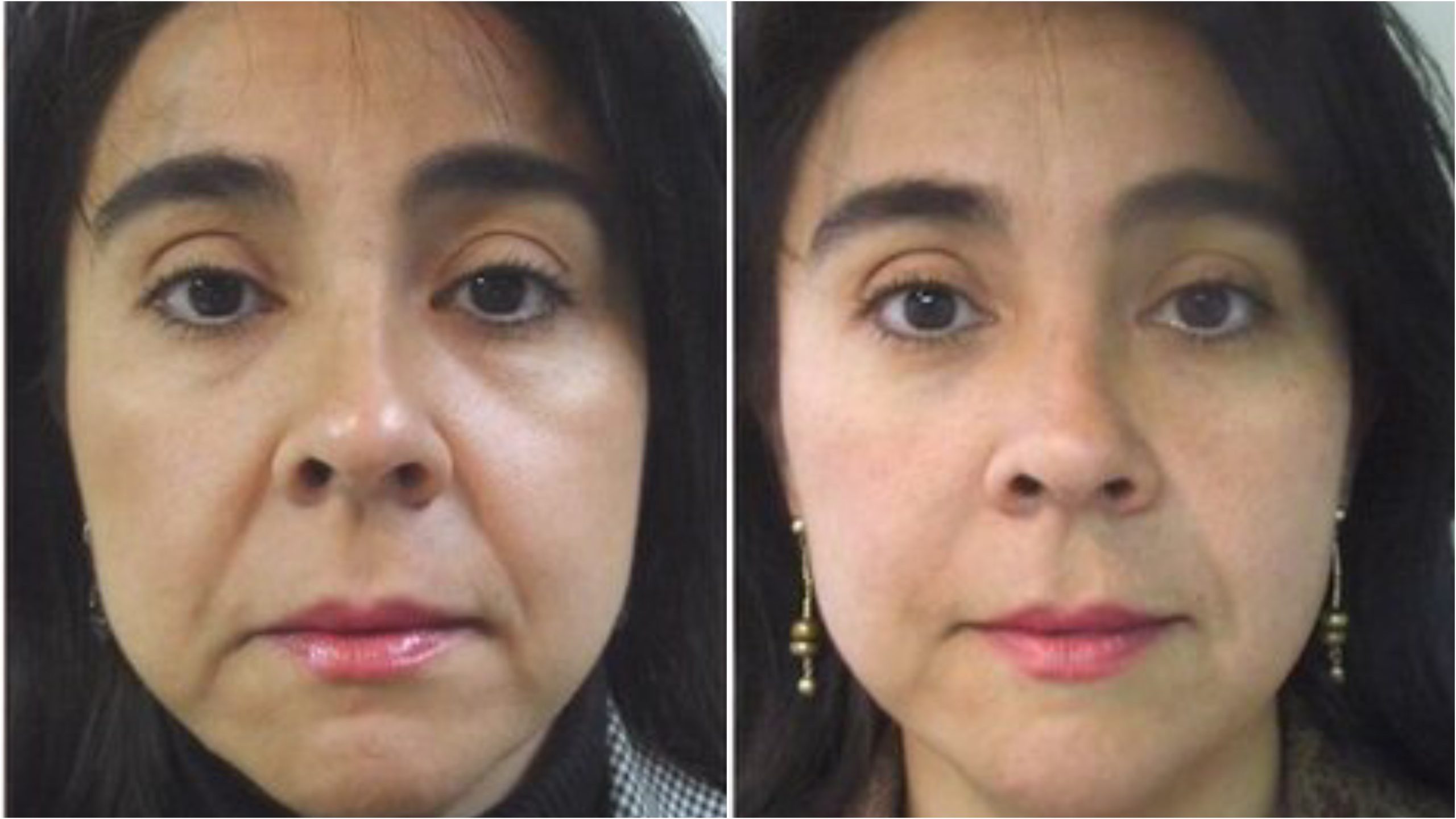
While some initial freshness and tightening can be noticed shortly after the procedure due to mild edema and immediate collagen contraction, the true structural results develop gradually over 2 to 3 months as new collagen is synthesized.
How long do the results last?
The duration varies depending on individual skin aging rates, lifestyle, and sun protection. Generally, results can last a year or more, and annual maintenance sessions help prolong the lifting and rejuvenating effect.
Is the procedure painful?
Most patients tolerate Fotona 4D very well. The intraoral step feels warm, and external modes involve a manageable warm sensation. Cooling systems are used to maximize patient comfort throughout the session.
Can Fotona 4D be combined with other treatments?
Yes, depending on the individual plan, it can be strategically combined with other modalities such as injectables or light-based therapies, provided appropriate intervals between treatments are maintained.
Medical disclaimer: This page is for informational purposes only and does not replace a consultation with a licensed physician. It does not recommend or prescribe any prescription-only medicine.
License statement: MED YU MED operates under DHA License 6589480.
Individual results caveat: Results vary by diagnosis, anatomy, product used and individual response, and no outcome is guaranteed.
What to read next
- ????
MEDICALLY REVIEWED BY
DR. Alina Lebedeva General Practitioner, Aesthetic Medicine Doctor, Dermatologist DHA License No. 35044799-002
References
- Dubai Health Authority (DHA). Standards for Non-Surgical Cosmetic Procedures. Dubai Health Authority, 2024/2025.
- Lu Z, et al. Clinical evaluation of Fotona 4D laser system in facial rejuvenation and tightening. Lasers in Surgery and Medicine. 2022;54(4):512-520.