Published 20 May 2026 · Updated 9 September 2026
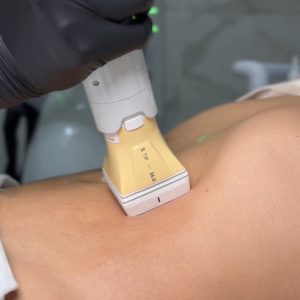
A lot of time, hope, and investment go into advanced clinic treatments. Technologies like microneedling RF-lifting, ultrasound lifting (SMAS), and lasers promise incredible outcomes: firming the jawline and smoothing the skin without a need in surgery. Yet, it can be incredibly frustrating to look in the mirror weeks later and feel like nothing has changed.
When a high-end treatment feels like a disappointment, it is rarely the machine’s fault. Often, the secret lies in what is happening beneath the surface of the skin and inside the body.
Here are the real, everyday reasons why advanced skin treatments sometimes fail to deliver.
Expectations VS Reality
The most common reason for disappointment has nothing to do with science, it is about expectations. Social media is flooded with perfect before-and-after photos. What these images rarely show is the professional studio lighting, filters and editing used behind the scenes. When confronted with these flawless standards, it is natural to expect a single clinic session to give the results of a surgical facelift.
To avoid this trap, an honest conversation prior to treatment is essential. A doctor will evaluate the skin, manage expectations, and explain exactly what a device can and cannot achieve.
Reasons for No Change
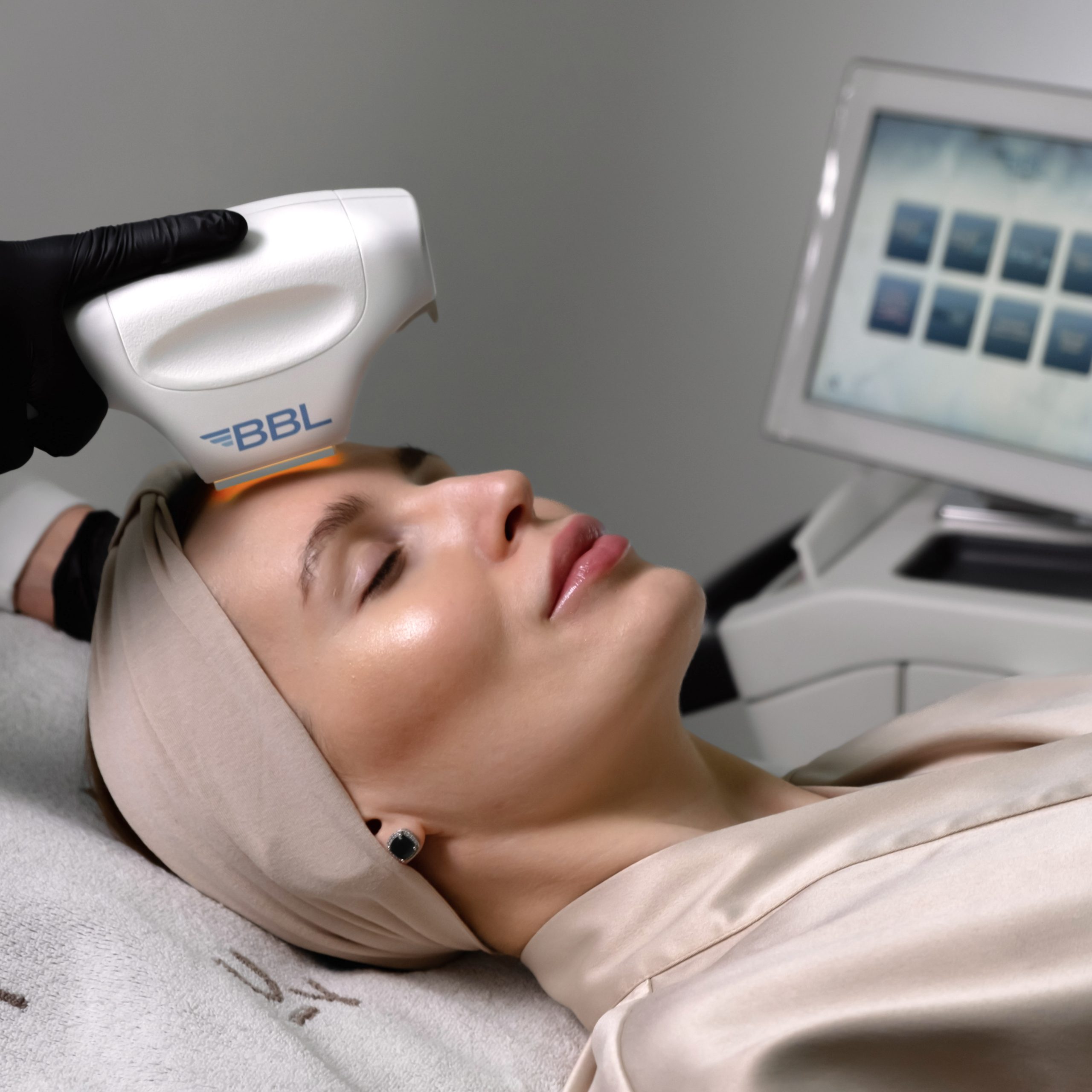
Think of technologies like lasers or RF- lifting as a spark. For a spark to create a fire, it needs the right environment. Most advanced skin treatments use controlled heat to trigger healing and collagen production, but heat needs water to travel through tissue effectively.
If the skin is deeply dehydrated, the treatment’s energy cannot reach the deeper layers where it belongs. In dry skin, cellular processes slow down drastically, and the treatment simply goes to waste.
Prepping the skin beforehand is crucial. Biorevitalization infuses the skin with hyaluronic acid and acts like a sponge, creating a rich moisture reservoir. A session before the device treatment, followed by a few top-ups afterward, gives the skin the hydration it needs to rebuild. At home, doubling down on serums containing hyaluronic acid and ceramides helps protect the skin barrier during this phase.
Individual Peculiarities & Genetic Factors
Advanced clinic treatments do not actually create new collagen; they simply stimulate the body to start making it. It has to do the heavy lifting of building that new, firm skin framework over the next few months. But if the body lacks the raw materials it needs to build that framework, the treatment cannot succeed.
For instance, an iron or protein deficiency directly blocks the body’s ability to heal and regenerate skin tissue. If ferritin (stored iron) or hemoglobin levels are low, even the most expensive treatment won’t work well. This is why a blood test to check iron, Vitamin D, and overall blood health is often suggested before starting a major treatment plan. If deficiencies are found, correcting nutrition and supplementation comes first.
Sometimes, a lack of results comes down to genetics. Some individuals are born with a condition called collagen dysplasia, meaning the body naturally makes weaker, more fragile connective tissue.
When this genetic trait is present, aggressive heat treatments can actually backfire, causing more laxity because the fragile skin cannot handle the thermal stress. For these patients, the strategy must change completely. Heavy heat devices are skipped in favor of ultra-gentle methods, microcurrents, or PRP (plasma) treatments to slowly and carefully coax the skin into strengthening.
Daily Habits That Counteract
Because it takes several months for a new collagen framework to mature, daily routines during this time can make or break the clinical results:
- Smoking: Nicotine constricts blood vessels, starving skin cells of the oxygen and vital nutrients needed to heal.
- Lack of Sleep: Regularly getting less than 7 hours of sleep spikes a stress hormone called cortisol, which actively breaks down collagen.
- Inadequate Protein Intake: Protein breaks down into amino acids—the literal bricks used to build firm skin. A standard nutritional target is roughly 1.5 to 2 grams of protein per kilogram of body weight.
- Chronic Stress: Persistent psychological stress keeps cortisol levels high, accelerating aging and slowing down cellular recovery.
Consistency Over Quick Fixes
It takes years for skin to lose its bounce, so a single treatment cannot undo that change instantly. The best results from device-led treatments come from a trusted, step-by-step system.
Sticking with one continuous practitioner who learns the skin’s history and tailors a long-term plan is always the most effective path. When skin is treated as a complete system, combining the right technology with hydration, proper nutrition, and healthy habits, the investment truly pays off.
Medical disclaimer: This page is for informational purposes only and does not replace a medical consultation.
License statement: MED YU MED operates under DHA License 6589480.
Individual results caveat: Results vary by diagnosis, skin type, and individual response.
Related articles
Medically reviewed by