Published 23 February 2026 · Updated 19 August 2026
Medically reviewed by: the MED YU MED medical team (DHA-licensed physicians).
Last reviewed: May 2026
How do you care for your skin at home without spending a fortune? In a recent interview published by NGS22.ru, the Barnaul-based cosmetologist Alena Leshchenko shares her expert view on effective home skincare routines, budget-friendly tips, and pitfalls to avoid. With the market flooded by new beauty products and device-based procedures, deciding what truly works can be daunting. Leshchenko explains which methods you can safely use at home for anti-aging, what is best left to professionals, and how to build a sustainable routine that actually benefits your skin—without any “sacrifices.” After years of consulting and clinical work with both clients and clinics, I’ve seen all manner of homecare mishaps and success stories. Let’s break down the advice, share some anonymized real-life cases, and find out what this means for you and the future of dermato-cosmetology.
Home Skincare: Smart Choices for Every Budget
Leshchenko’s core advice—focus on skincare that matches your personal needs, and don’t go overboard chasing trends. Home routines with masks, gentle peels, and well-chosen creams form the backbone. She highlights alginate and sheet masks, along with targeted treatments (like seboregulating products for oily skin). In my own practice, I’ve repeatedly seen how a tailored skincare checklist makes more difference than expensive “miracle” jars. For instance, a patient struggling with post-acne hyperpigmentation achieved visible improvement in three months simply by committing to regular, expertly selected home care (AHA-cleansing gel, niacinamide serum, SPF) and minimal in-clinic assists.
Natural Mask Ingredients: Pantry to Skin—but Mind the Reactions
Lately, interest in natural masks—oatmeal, honey, aloe, milk—has grown, and with good reason. A classic soothing recipe from our clinic’s “sensitive skin” protocol uses oatmeal and yogurt for gentle hydration. But even proven folk remedies aren’t for everyone: allergies and sensitivities are common. Always patch-test first, and remember: consultation trumps guesswork, especially with inflamed or reactive skin .
Facial Massage at Home: Gua Sha and Cupping
Curious about gua sha or vacuum cupping for the face? The article echoes my own recommendations—massage can enhance blood flow and reduce puffiness, but technique matters. I recall consulting for a clinic where clients tried aggressive at-home cupping, which led to burst capillaries and bruising—not an anti-aging look! If you’re new to massage, start gently, watch reputable tutorials, and consider a one-time professional lesson.
Peels, Powders, and Enzyme Care: Where to Start?
Home-use peels and enzyme powders are growing in popularity, but get the product and usage wrong, and you risk disrupting the skin barrier. I recall a mentoring case: a young woman using random acids from TikTok hacks developed severe irritation and post-inflammatory pigmentation. Solution: a professionally reviewed home regimen with mild enzymes, centella, and hyaluronic acid serums, fully restoring her skin within eight weeks. Golden rule: when in doubt, consult your cosmetologist—no rash internet recipes!
Microcurrent Devices: Game-Changer or Gimmick?
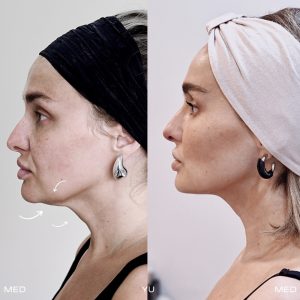
Leshchenko is skeptical about the popularity of budget-friendly home microcurrent (microcurrent therapy) gadgets—a view I share. Clinic-grade devices used in device-based cosmetology deliver precisely measured energy for visible lifting. Mass-market models, lacking this power, often give negligible results. Worse, improper or indiscriminate use can harm sensitive skin. Real experience: a client purchased a home microcurrent tool, hoping for spectacular lifting, but ended up with localized swelling and dermatitis due to overuse and lack of contraindication knowledge.
Professional Training Is Key
Device use isn’t intuitive; even in our consulting work for beauty clinics, extensive training and strict protocols are required to avoid adverse outcomes.
Where to Buy Skincare: Why Mass Market Is Risky
A common pitfall? Buying skincare in supermarkets or dubious online resellers. Leshchenko rightly cautions against this: storage conditions and expiration date control matter! Our clinic encountered waves of “mystery rashes” that traced back to discounted mass-market creams. Only purchase from reputable stores or directly from your specialist—quality and shelf-life are non-negotiable.
The Allure and Limits of DIY: When Home Procedures Go Wrong
Want to try facial steaming or aggressive cleansers at home? Think again. Dermatological literature, and frankly, the daily reality of rosacea and sensitive skin cases, warn that excessive steaming or extreme peeling can trigger long-term damage: vascular changes, persistent redness, or even exacerbated acne. One anonymized story: a patient tried daily steaming and household scrubs for “deep pore cleansing.” Result—chronic sensitivity, broken vessels, extended rehab under medical supervision.
Risks and Contraindications: When You Absolutely Shouldn’t DIY
Both Leshchenko and the latest professional standards stress careful assessment before any procedure—especially if you have active acne, ongoing inflammation, or allergies. I’ve seen, as a clinic consultant and mentor, how neglecting this can delay healing dramatically. Don’t start something new, even with “totally natural” ingredients, without considering your unique contraindications or seeking a pro opinion.
Lunar Phases in Beauty—Does Timing Matter?
A quirky trend: some magazines suggest aligning skincare routines with the lunar calendar (e.g., nourishing during the waxing moon, clearing up during the waning moon). Is there hard evidence? Not really—but if you find the ritual soothing and it helps you stick to your routine, why not! In mentoring, I sometimes encourage clients to link self-care with positive rituals for extra motivation—just don’t expect the moon to boost your retinol results.
Regular Pro Visits: Balance Is Best
Both the article’s expert and my practice agree: a blended approach is optimal. Book a cosmetologist check-up at least twice a year for personalized skin diagnosis and plan adjustments. This prevents costly mistakes and keeps small problems from snowballing. If possible, work with one trusted specialist familiar with your skin’s history.
Discounts, Loyalty, and Accessibility: Professional Beauty Without the Price Tag
Professional care isn’t always unaffordable. Leshchenko cites loyalty, package deals, and seasonal promotions, especially for RF lifting, IPL/laser, or botulinum therapy sessions. I encourage clinics in my consulting to offer tailored programs, helping clients stack up value and maintain their results.
Disclaimer:
Home skincare is powerful—but not without risks. Consult a dermatologist or certified cosmetologist before beginning new products or procedures, especially with existing skin conditions.
Leave a request and our specialists will contact you within 15 minutes — we’ll review your case and suggest a solution.
Get a consultation
Frequently Asked Questions
Most effective anti-aging ingredients?
Retinoids, niacinamide, vitamin C, peptides, hyaluronic acid.
How to layer products?
Apply thin-to-thick; SPF last in AM, retinoid at night.
Can home skincare replace clinic treatments?
It supports maintenance, but clinic treatments address deeper changes.
Is SPF needed indoors in Dubai?
Yes, daily broad-spectrum SPF 50 is recommended.
When to move to professional treatments?
If persistent concerns remain after consistent routine.
Medical disclaimer: This page is for informational purposes only and does not replace a medical consultation.
License statement: MED YU MED operates under DHA License 6589480.
Individual results caveat: Results vary by diagnosis, skin type, and individual response.
Related articles


Medically reviewed by