Published 4 December 2025 · Updated 9 September 2026
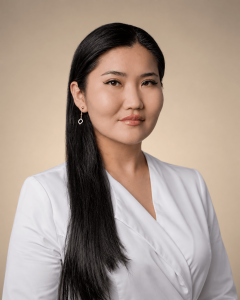
Medically reviewed by: the MED YU MED medical team (DHA-licensed physicians).
Last reviewed: May 2026
The recent VI International Medical Congress on Thread Implantology and Combination Correction Methods, held online from the St. Petersburg-based “Clinic of Dr. Gruzdev,” delivered a rich, 10-hour live broadcast dedicated to thread lift techniques of varying complexity in anti-aging therapy. Over 350 dermatologists, cosmetologists, and plastic surgeons tuned in from 70 cities to learn the latest in non-surgical rejuvenation—from intricate anatomical zones to the fusion of thread lifts with injectables and devices. As someone passionately engaged with device-based cosmetology and clinic consulting, I find this event not only timely but essential for the evolving landscape of aesthetic medicine.
Why Thread Lift Techniques Are in the Spotlight
Thread lifts have journeyed from early skepticism to a mainstay in the aesthetic cosmetology arsenal. This congress didn’t just showcase “how-to,” but illuminated the “why now”—reflecting a significant shift in dermato-cosmetology toward minimally invasive, effective, and individualized care. Providers are seeking less downtime for clients and more harmonious anti-aging results. My own clinic consulting work consistently reveals a growing demand for methods that deliver natural correction with reproducible safety standards.
Complex Cases: Learning Beyond the Protocol
The heart of the congress was no PowerPoint parade—it was live, dynamic, and clinical. Complex, real-life cases were dissected. For instance, techniques for treating the lower third of the face, neck, and submental region were discussed in depth. In my experience, patients with mild-to-moderate sagging in these regions benefit from a personalized protocol: bioresorbable threads for structural uplift, with a follow-up touch of hyaluronic acid fillers for contour harmony. One anonymized case comes to mind—a 49-year-old with mild jowling and post-acne scarring. Thread implantation in blending zones, combined with micro-filler, achieved subtle, yet impressive, rejuvenation—delighting both practitioner and patient.
Strategies for All Aging Morphotypes
No two faces age identically, and the congress reflected this with segment-specific correction protocols. The experts emphasized matching thread technique to the person’s morphotype. For instance, atrophic types may need greater tissue support, while deformative morphotypes focus on vector reinforcement. In mentoring young colleagues, I stress using photographic assessment and morphotype analysis as the first step of any successful thread lifting or injectable plan.
Combining Thread Lifts with Devices and Injections
True synergy emerged in the sessions showing how to combine thread lifting with botulinum therapy, mesotherapy, RF lifting, and even laser treatments. Panelists discussed safety: for example, not mixing intensive phototherapy with threads too soon, as studies suggest it might risk tissue reaction. This echoes what I’ve seen in practice. At our clinic, a staged approach—thread placement first, devices second—yields both safety and amplified results.
Security and Clinic Standards: Setting the Bar High
A major theme was procedural safety and complication management. Threads today (thankfully!) are mainly biodegradable with improved profiles. The congress reinforced strict adherence to aseptic technique, precise patient selection, and careful product choice. During clinic audits, I often see well-meaning practitioners trip up over improper sterilization or overpromising outcomes, risking reputational and legal issues. Ongoing education—the real theme of the event—remains the strongest safeguard.
The Russian Leadership in Thread Technologies
It’s worth noting how Russia has positioned itself as a thought leader in thread implantology, not just by importing trends, but by innovating. The steady calendar of events—like the upcoming in-person session of the very same congress—encourages live knowledge exchange, nuanced technique debunking, and advancement at a systemic level. As someone who consults on clinic strategy, I see firsthand how this drives the entire field forward.
Sensitive Areas: Anatomy First
Several live demonstrations tackled “difficult” regions—think the heavy lower face or delicate neck. Here, knowledge of facial compartments and ligaments isn’t just helpful, it’s non-negotiable. I recall one consultation where a patient had persistent dimpling post-thread placement by another clinic. Revision required a map of her unique facial septa and careful spacing of new threads, plus post-procedure SPF and skin barrier support. Meticulous anatomy saves face—literally.
The Patient’s Perspective: Mindful Beauty Wins
Modern dermato-cosmetology is about mindful beauty, not erasure. Throughout the congress, experts repeated that correction should respect natural expression and age. In post-procedure care, we support sensitive skin with gentle cleansers, barrier creams, and bespoke skincare routines—including, as a point of humor, suggesting more patience and less mirror-checking in the first days. When patients are properly educated about timelines and realistic expectations, their satisfaction soars.
Case-by-Case Protocols: Acne, Pigmentation, Recovery
In clinical mentoring, I’ve supervised many cases where threads intersect with other concerns—post-acne, hyperpigmentation, or fragile vasculature. One memorable case: a woman in her late 30s with persistent acne scars, early laxity, and sensitivity. Her protocol? Gentle resurfacing, then thread lift, capped off with barrier-repairing mesotherapy. Only after recovery did we introduce retinol and pigment-targeted serums. The result was both safe and transformative.
What This Means for the Industry—and You
This congress marks a new era of collaborative, open, and realistic dialogue in aesthetic cosmetology. For industry professionals, it reflects the value of never-ending education, evidence-based practice, and ethical patient communication. For clients and patients, the message is clear: technology and expertise have never been so intertwined, nor results so approachable when protocols are respected.
Disclaimer: All clinical scenarios must be individualized. Even safe, modern thread techniques require skilled hands, proper planning, and appropriate aftercare. Instant or “once-and-for-all” results do not exist in ethical practice.
Need help with thread lift techniques and personalized protocols?
Leave a request and our specialists will contact you within 15 minutes — we’ll review your case and suggest a solution.
Get a consultation
Frequently Asked Questions
What thread types are used?
PDO, PLLA, PCL and barbed variants by indication.
Who is ideal candidate?
Patients with mild-to-moderate laxity after assessment.
How long do results last?
Typically 12–24 months depending on protocol.
Common side effects?
Mild bruising/swelling and temporary discomfort are common.
Thread lift vs facelift?
Thread lift is less invasive with subtler outcomes than surgery.
Medical disclaimer: This page is for informational purposes only and does not replace a medical consultation.
License statement: MED YU MED operates under DHA License 6589480.
Individual results caveat: Results vary by diagnosis, skin type, and individual response.
Related articles



Medically reviewed by