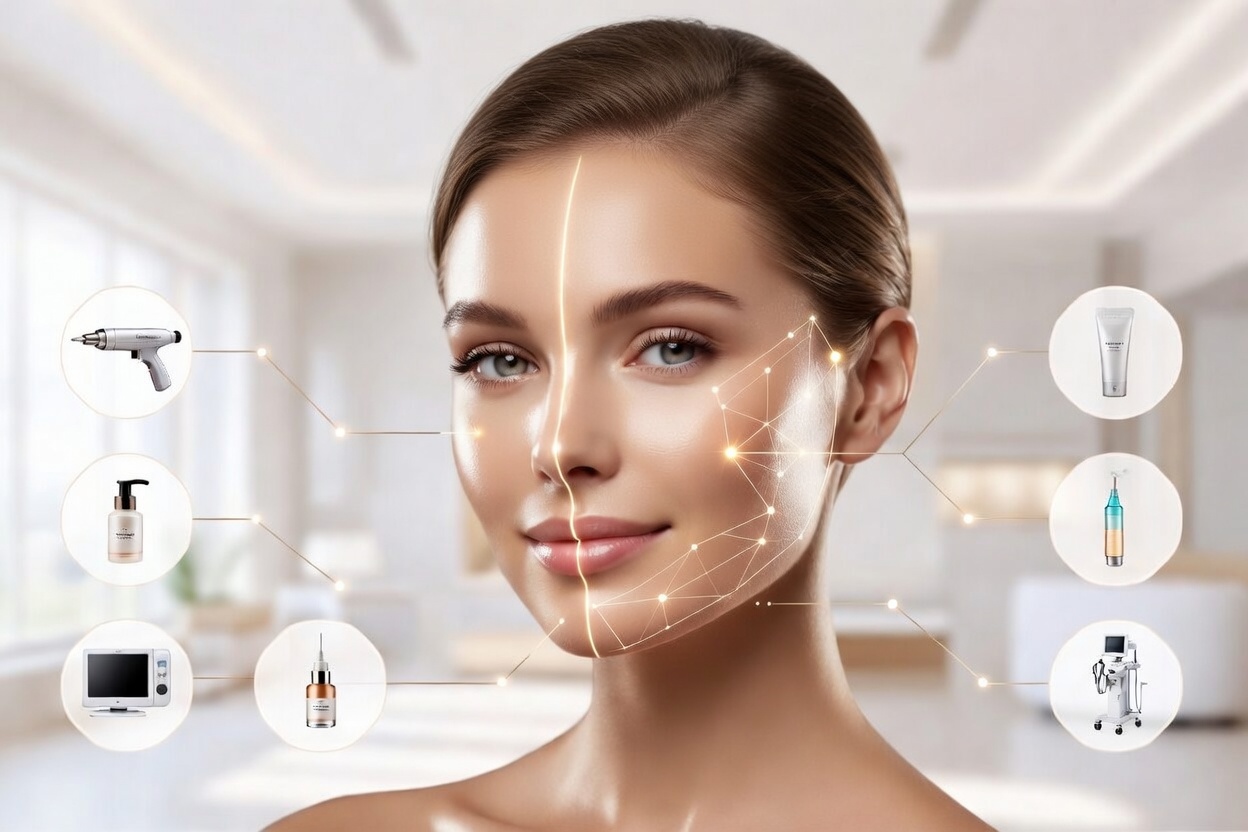
A recent survey by Allergan Aesthetics revealed a major shift in patient preference: 59% now favor a structured, combination approach to aesthetic medicine. This trend points to a future where multi-modal treatment plans and natural outcomes reign supreme. As protocols evolve, patients and clinics alike are recognizing the benefits of combining injectables, device-based therapies, and advanced skincare to achieve long-lasting, naturally rejuvenated results. Let’s break down what’s fueling this movement, how it reshapes aesthetic cosmetology, and what these changes mean for your next beauty journey.
The Rise of the Structured Combination Approach
The days of single-session treatments are steadily making way for comprehensive protocols that address multiple skin concerns at once. According to Allergan Aesthetics’ global study involving more than 12,000 respondents, an impressive 59% of patients prefer a structured combination approach. This means that individuals trust their dermato-cosmetologists to build detailed, step-by-step plans that integrate injectables, device-based cosmetology, and home skincare routines.
In our work, we’ve seen how this mindset reduces “cosmetic gamble” stress: clients know what to expect and are more likely to commit to their self-care plan. When a patient with sensitive skin and early signs of aging sought help, we designed a gradual protocol starting with skin barrier repair, followed by gentle mesotherapy and SMAS ultrasound lifting. The results were not only impressive but also sustainable, and most importantly, the patient reported boosted confidence with every stage.
Skin Quality First: Laying the Foundation
Interestingly, the research also found that 30% of patients want to begin their beauty journey by improving skin quality. This resonates with clinic protocols where we often recommend starting with barrier repair, gentle peels, or targeted actives such as retinol and hyaluronic acid cocktails. After all, even advanced treatments, like injectables or RF tightening, deliver better, longer-lasting results on resilient, well-hydrated skin.
For example, a client with chronic post-acne pigmentation came for advice, but after a comprehensive assessment, we spent four weeks rebuilding her skin’s protective layer before any microneedling or IPL sessions. Only then did the combination approach provide her with that coveted “glass skin” effect.
Why Multi-Modal Treatment Plans are the Future
The report highlights that 62% of patients find multiple aesthetic procedures attractive. But this isn’t just about doing more, it’s mostly about synergy. Advanced protocols often pair microcurrents with injectables, or alternate between IPL/laser and mesotherapy for a cumulative, natural look. The effect? Less downtime, targeted results, and a noticeable but not “overdone” improvement.
In consulting for a leading aesthetic clinic, our staff trains on sequencing treatments safely: for example, scheduling toxin-based injectables before facial laser therapy, optimizing the timeline for skin healing, and maximizing patient satisfaction. This not only improved clinical outcomes but elevated the overall service quality.
The Pursuit of Elasticity and Anti-Aging
Patient priorities are shifting: 63% now cite elasticity and anti-aging as their main therapeutic goals. Modern approaches address these concerns through a combination of botulinum therapy, collagen stimulators, and RF-lifting to improve firmness and recalibrate facial volumes. These treatments, when performed according to a structured plan, offer both safety and longevity, crucial in the era of natural aesthetics.
One memorable case involved a client in her mid-40s with rosacea and mild laxity. Her protocol included soothing skincare (SPF, niacinamide), gentle vessel laser, followed by non-cross-linked hyaluronic acid injections. Over six months, the visible improvement was matched only by her renewed self-assurance.
Satisfaction Grows with Long-Term, Agreed Plans
The study is clear: 78% of patients feel more satisfied when working with a cosmetologist according to a coordinated, long-term plan. This echoes our clinic mentoring experience, where we always emphasise patient education, gradual enhancements, and milestone tracking.
An example: For a man experiencing age-related hyperpigmentation and loss of turgor, we scheduled quarterly reviews, adjusting protocols as his skin improved. Regular counselling enabled us to combine peels, LED therapy, and targeted injectables efficiently, transforming both his appearance and relationship with routine skincare.
The Synergy Effect: Why Blending Methods Works
Doctors and patients are embracing the power of synergy. By layering methods: say, pairing mesotherapy with IPL/laser modalities, we can address pigmentation, texture, and vascular issues simultaneously. This approach, now considered industry best practice, delivers multi-level results with a single recovery period.
Measurable improvements are seen in patient retention and word-of-mouth referrals once they switched from “single, spectacular” procedures to well-planned combination treatments. Satisfaction rates soared, measurably reflected in reviews and follow-up bookings.
The Influence of Media and Social Networks
Modern patient requests can often be traced to trends set by social media, as highlighted by recent research. Constant exposure to curated images on feeds generates new beauty standards and sometimes unrealistic self-expectations. In practice, we see younger patients seeking “filter-like” skin or facial contouring trends.
This amplifies the responsibility of the practitioner to educate, recommend realistic timelines, and stress skin health over fleeting fads. Through patient mentoring, we help clients cultivate a “mindful beauty” mindset, balancing desires for change with preservation of individuality and well-being.
Device-Based Cosmetology: The Truth about Recovery and Results
Minimal downtime and fast results: that’s the allure of today’s device-based cosmetology. Patients want RF tightening, fractional lasers, or ultrasound, but without the weeks of swelling or bruising. Through careful device selection and proper scheduling, most clinics can deliver steady improvements without disrupting a client’s lifestyle.
Case in point: A working professional struggling with both acne scarring and decreased skin tone. We mapped out a 6-month plan alternating between RF microneedling, vitamin C infusions, and SPF-centered aftercare. Not only did she see visible changes, but she also avoided the cycle of “downtime regret” common with single, aggressive sessions.
Patient Satisfaction and the Skincare Checklist
At every step, clear communication and customized skincare checklists are essential. Today’s clients want to be guided, not overwhelmed. Digital before-and-after portfolios, open discussions about personal goals, and homecare adaptation make the difference between a one-time visitor and a lifelong fan.
We regularly encourage patients to keep diaries of their progress, not as a beauty “scorecard,” but as a tool for mindful observation. After all, the journey is more than skin deep.
Conclusion: Industry Lessons and What This Means for You
The shift toward multi-modal, structured protocols marks a new era in aesthetic cosmetology. Patients are demanding more: individualization, predictability, and synergy. Clinics must answer with advanced diagnostics, transparent counselling, and comprehensive solutions. Our advice? Embrace the combination approach, but make it personal.
Need help with structured combination approaches in aesthetic cosmetology?
Leave a request and our specialists will contact you within 15 minutes — we’ll review your case and suggest a solution.
Get a free consultation
Disclaimer:
Recommendations in this article are for informational purposes and are not a substitute for a professional, personalised consultation. Every patient is unique, please consult a certified specialist before embarking on any aesthetic treatment.