


Published 20 February 2026 · Updated 19 August 2026
Medically reviewed by: the MED YU MED medical team (DHA-licensed physicians).
Last reviewed: May 2026
A recent publication on the efficacy of PRP therapy for photoaging has sparked fresh discussions in the field of aesthetic dermatology. According to the news, a Chinese research team demonstrated that PRP therapy increases dermal thickness by 24–51% in patients with facial photoaging, as measured by high-frequency ultrasound. This clinical evidence, along with significant improvements in visible photoaging markers, highlights new possibilities for non-surgical facial rejuvenation. As an aesthetic medicine doctor and consultant, I regularly assess PRP protocols and outcomes, drawing on my clinical, mentoring, and consulting experience to clarify what these findings mean for both practitioners and patients seeking lasting anti-aging results.
Understanding Photoaging: Challenges and Clinical Signs
Photoaging remains a major concern in aesthetic cosmetology. Chronic sun exposure leads to wrinkles, laxity, roughness, enlarged pores, pigmentation, and vascular changes, which are confirmed both visually and via diagnostic imaging. In clinic practice, I observe that photoaging not only alters skin appearance but also weakens the dermal matrix. Many patients struggle with persistent pigmentation, pore expansion, or post-procedural sensitivity—a typical cascade of cumulative ultraviolet damage.
PRP Therapy: Mechanism and Protocol
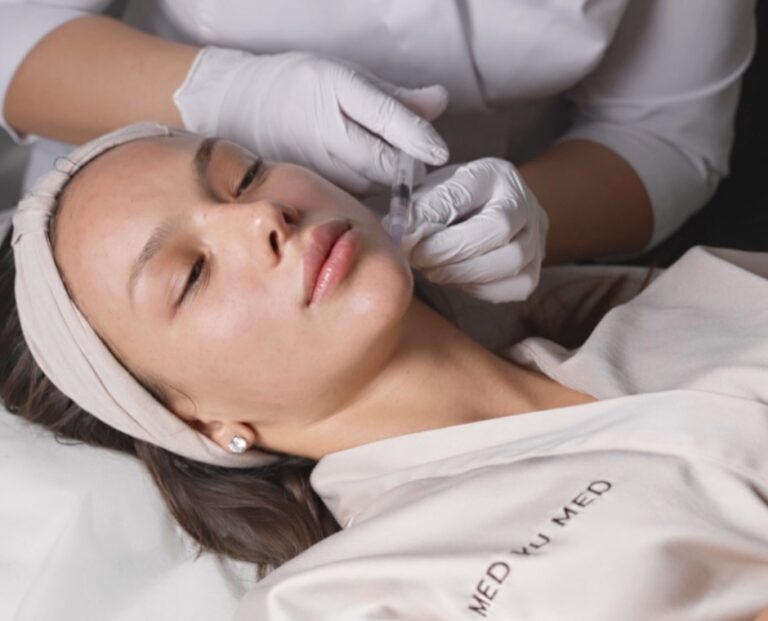
PRP therapy (platelet-rich plasma) utilizes the patient’s own blood to harness regenerative growth factors. The new study included 10 patients (Glogau I–III, aged 28–50) who underwent a series of three monthly PRP facial injections (5ml total per session, distributed via manual technique and mesoinjector). Tools such as Regen PRP kits and strict adherence to manufacturer protocols, including platelet concentration verification, are standards echoed in my own clinical recommendations.
Objective Assessment: Why Ultrasound Matters
One distinguishing feature of this study was the use of high-frequency ultrasound (HFUS) to assess dermal thickness and the subepidermal low-echogenic band (a marker of collagen degradation). In my consulting work with clinics, I encourage the integration of device-based evaluation—HFUS imaging, skin analyzers, and detailed photo documentation—to optimize protocols and monitor skin barrier improvements over time.
Results by the Numbers: Quantifiable Skin Rejuvenation
PRP therapy in this cohort resulted in a 29–47% reduction in the width of the hypo-echoic band and a remarkable 24–51% increase in dermal thickness. Clinically, patients showed improvement in pore visibility, wrinkles, and pigmentation. Similar results are echoed in my anonymized patient cases—especially those with early to moderate photoaging, who combine mesotherapy and diligent SPF with device-based interventions.
Real-Life Case: Sensitive Skin and PRP Recovery
A memorable patient, a 43-year-old woman with sensitive, photoaged skin and mild rosacea, sought improvement without downtime. After three rounds of carefully titrated PRP (combined with gentle topical hyaluronic acid and strict photo-protection), her dermal echo pattern on ultrasound normalized by 30%. She reported reduced sensitivity and improved skin comfort—common feedback when protocols are individualized and a wellness approach is emphasized.
Safety and Side Effects: A Balanced Perspective
The news highlights that all participants tolerated the procedure well; mild erythema, edema, or discomfort resolved spontaneously within 72 hours. In my mentoring practice, I stress the importance of careful patient selection, adherence to aseptic protocol, and proactive management of post-procedure reactions. No device-based cosmetology intervention is absolutely without risk, but PRP’s autologous nature offers a favorable safety profile—when handled by experienced hands.
Limitations: Sample Size and Age Range
While the results are promising, the study’s sample was modest (10 patients, unspecified gender), and most were under 50. As research and my clinic experience show, skin’s regenerative response to PRP can diminish with age. I consult on cases where older patients require combined protocols—sometimes integrating RF microneedling or injectables for optimal results.
Latest Insights: PRP, Age, and Combination Therapies
Supplementary reviews indicate that effectiveness of PRP may be influenced by the patient’s age. Beyond 40, the body’s regenerative power slows, possibly reducing outcomes. However, even in older patients, PRP often yields visible improvement—especially if combined with other anti-aging and dermato-cosmetology modalities. For example, combining PRP with microcurrents or RF-lifting can enhance dermal remodeling, a strategy I advise in complex or resistant cases .
PRP Beyond Photoaging: Managing Inflammation and More
An underappreciated benefit of PRP is its anti-inflammatory effect, relevant for patients with chronic dermatoses or post-procedure inflammation. I’ve overseen protocols where PRP helped reduce redness and accelerated post-procedure recovery in cases of persistent acne or post-acne erythema—reinforcing its multifaceted value for those with reactive or impaired skin barrier.
Ethical Communication: Setting Realistic Expectations
No skin procedure guarantees “eternal youth”—I remind patients that individual response varies due to intrinsic skin biology, age, genetics, and lifestyle. PRP is a potent tool in the anti-aging arsenal, but must be personalized, sometimes repeated, and ideally combined with resilient skincare habits (including SPF and mindful retinol use). “Miracle cures” belong to fairy tales, not evidence-based cosmetology.
What This Means for Aesthetic Clinics and Clients
This study bolsters the position of PRP as a cornerstone of modern anti-aging practice. For clinics, integrating robust diagnostics like HFUS ensures measurable, reproducible results. For clients, it serves as a reminder: the best protocols are tailored, ethical, and managed by qualified specialists with a passion for combining science and art. As someone who’s walked the path from consulting to mentoring in this field, I encourage both peers and patients to expect progress—not perfection, but tangible, renewable beauty gains.
Need help with PRP therapy for photoaging?
Leave a request and our specialists will contact you within 15 minutes — we’ll review your case and suggest a solution.
Disclaimer: The information in this article is for education only and does not substitute for individual medical advice. Always consult a certified dermatologist or aesthetic specialist for personalized recommendations.
Related reading
Frequently Asked Questions
How does PRP therapy reverse photoaging?
PRP growth factors stimulate fibroblasts and collagen synthesis.
How many PRP sessions are typically needed?
Commonly three sessions 4 weeks apart, then maintenance.
Is PRP safe for all skin tones?
PRP generally has a favorable safety profile across Fitzpatrick types with physician screening.
How is dermal thickness measured?
High-frequency ultrasound and standardized assessments are used.
Can PRP be combined with other treatments?
Yes, PRP is often combined with microneedling, lasers or RF.
Medical disclaimer: This page is for informational purposes only and does not replace a medical consultation.
License statement: MED YU MED operates under DHA License 6589480.
Individual results caveat: Results vary by diagnosis, skin type, and individual response.
Related articles

Medically reviewed by
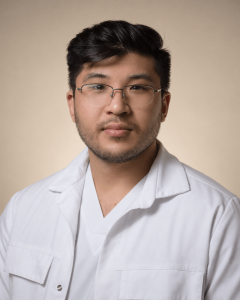
General Practitioner, Aesthetic Medicine Doctor
DHA License No. 09620692-002
Morpheus8 RF Microneedling (Morpheus Pro) at MED YU MED: prices
- Face2900 AED
- Face + eyes3500 AED
- Neck2900 AED
Treatment page and booking · full price list
The final protocol and cost are confirmed at an in-person consultation.


