


Published 20 February 2026 · Updated 29 September 2026
This article was reviewed by the MED YU MED medical team (DHA-licensed physicians).
Do you think salmon is only healthy for its omega-3s and on the grill? Not quite. One of its most valuable components ends up in a syringe. PDRN, a term that may sound like a scientific code but has a fascinating and well-researched story behind it. Today, this regenerative ingredient is widely used in aesthetic medicine and advanced skincare to restore skin quality, improve healing, and support natural rejuvenation.
What Is PDRN?
PDRN stands for polydeoxyribonucleotides — short fragments of DNA obtained primarily from salmon milt, although plant sources such as ginseng, rice, and lotus can also be used. In clinical practice, animal-derived polynucleotides are more common because their molecular structure is highly compatible with human DNA, which allows them to integrate more effectively into regenerative processes.
To ensure safety, PDRN preparations undergo rigorous purification. Through processes such as acid hydrolysis, genetic material is removed, leaving only DNA fragments capable of participating in tissue repair. Plant-derived PDRN is produced through microfluidization of botanical extracts, which are naturally more fragile.
A Closer Look at the Molecules
From a scientific perspective, PDRN molecules are polymers with a molecular weight ranging from approximately 50 to 1500 kDa. Plant-derived forms are typically below 100 kDa, while animal-derived forms are often above this threshold.
In cosmetic ingredient lists, PDRN may appear as Sodium DNA or Hydrolyzed DNA, meaning the exact nucleotide chain size is not always identifiable from labeling alone. Most skincare formulations use low-molecular-weight PDRN in concentrations ranging from 0.01% to 3%, balancing effectiveness with stability.
How PDRN Works in the Skin
When PDRN is introduced into the skin (whether through injection or topical application) it triggers biostimulation. Skin cells recognize these DNA fragments as resources for repair, initiating a cascade of regenerative responses.
This ingredient has gained popularity globally, particularly in Korean aesthetic medicine, for its ability to repair, hydrate, and firm the skin by accelerating cellular turnover. Known for reducing inflammation and stimulating collagen production, PDRN is considered a powerful anti-aging compound that also supports wound healing and improves skin texture.
Because of these properties, PDRN is suitable for a wide range of skin types, including sensitive and compromised skin. This combination of effects explains why PDRN is associated with recovery and skin health optimization.
Is PDRN Just Another Trend?
Despite its recent popularity in aesthetics, PDRN is far from new. Scientific interest in DNA fragments began in the mid-20th century, when researchers discovered that they could stimulate tissue repair processes.
In the 1980s, Italian scientists from the University of Parma studied extracts derived from salmon milt and observed their ability to accelerate wound healing. These findings laid the foundation for the use of PDRN in regenerative and aesthetic medicine.
Modern research continues to expand its potential. For example, studies published in 2022 demonstrated that a combination of PDRN, niacinamide, and vitamin C showed effectiveness comparable to hydroquinone for pigmentation concerns, while being significantly gentler on the skin. Evidence like this is helping to shape new therapeutic approaches in dermatology and cosmetic medicine.

Where PDRN Is Used Today
Today, PDRN is widely used across multiple areas of aesthetic and medical practice, including:
- Biorevitalization and mesotherapy
- Acne and post-acne scar management
- Rosacea and sensitive skin conditions
- Pigmentation treatments
- Recovery after laser procedures and chemical peels
- Trichology (hair and scalp therapies)
Its versatility, safety profile, and regenerative properties have made it both a focus of ongoing scientific research and a cornerstone of modern skin rejuvenation protocols.
Application Methods
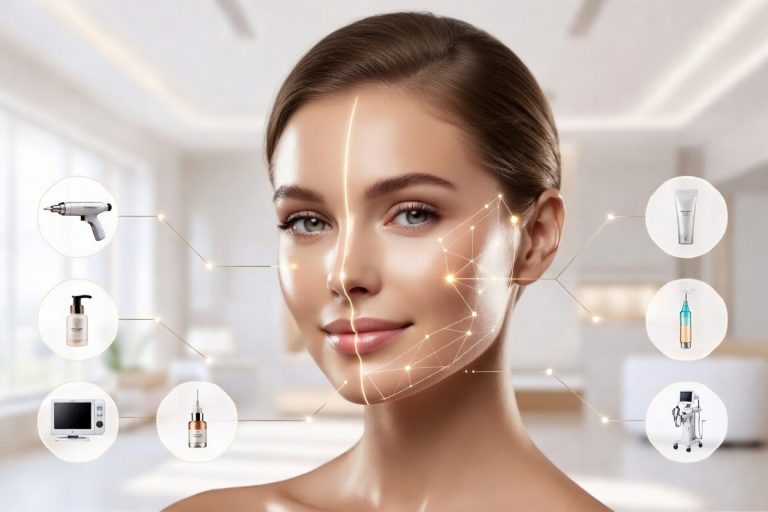
PDRN can be delivered through different methods depending on the treatment goal:
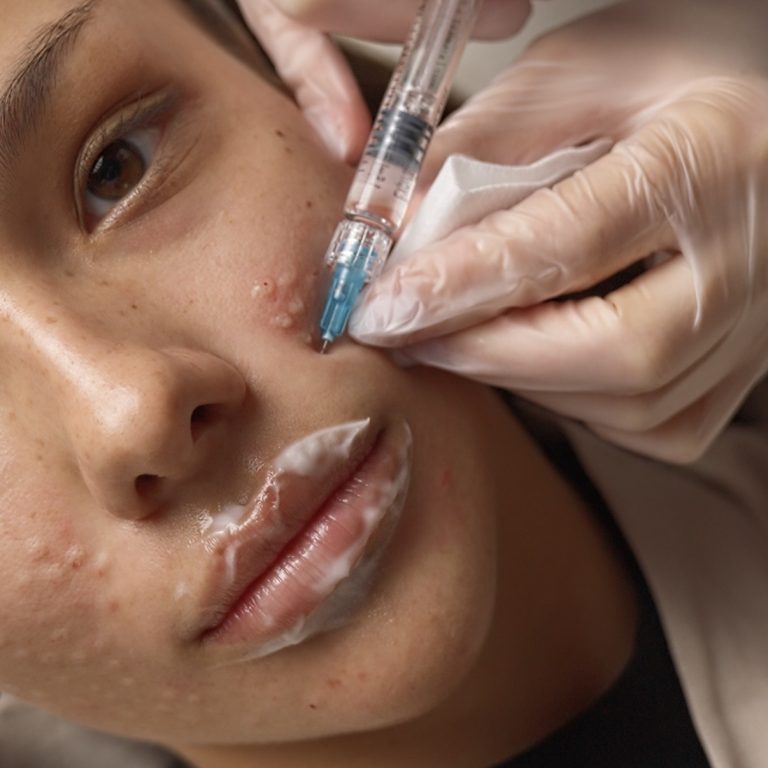
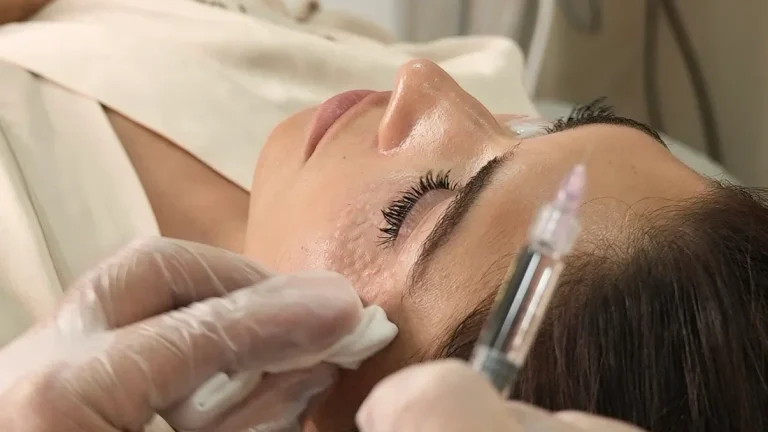
Injectable Treatments: Administered by medical professionals, injections deliver PDRN directly into the dermis for deeper tissue repair and more pronounced rejuvenation.
Topical Skincare: Serums, ampoules, and creams containing PDRN provide surface-level hydration, improved texture, and calming effects. While these products do not penetrate as deeply as injections, they can still support skin health and maintenance.
Originally developed as a medical therapy for wound healing, PDRN has evolved into one of the most advanced ingredients in cosmetology.
The Future of Regenerative Skincare
PDRN represents a shift toward regenerative aesthetics — treatments that work with the body’s natural repair mechanisms rather than simply masking symptoms. Its ability to support healing, improve skin quality, and enhance resilience makes it an increasingly important tool in both preventive and corrective skincare.
As research continues, PDRN is likely to remain at the forefront of innovation, offering patients safer, more natural-looking results and opening new possibilities for personalised aesthetic treatments.
Related reading
Frequently Asked Questions
What is PDRN?
A regenerative DNA-fragment compound commonly salmon-derived for repair signaling support.
What evidence exists?
Evidence supports healing-focused and rejuvenation applications with promising outcomes.
How administered in Dubai?
Typically via intradermal mesotherapy-style injections in treatment courses.
Contraindications/side effects?
Fish allergy risk and selected contraindications; side effects usually mild/transient.
How compare to Profhilo or Sculptra?
Different mechanisms: PDRN regenerative signaling vs HA bioremodeling vs collagen volumization.
Medical disclaimer: This page is for informational purposes only and does not replace a medical consultation.
License statement: MED YU MED operates under DHA License 6589480.
Individual results caveat: Results vary by diagnosis, skin type, and individual response.
Related articles

Medically reviewed by

Biorevitalization at MED YU MED: prices
- Profhilo - 2 ml2100 AED
- Viscoderm Hydrobooster3000 AED
- Xela Rederm silver 1.1% - 2 ml2100 AED
Treatment page and booking · full price list
The final protocol and cost are confirmed at an in-person consultation.


