Published 21 October 2025 · Updated 19 August 2026
Medically reviewed by: the MED YU MED medical team (DHA-licensed physicians).
Last reviewed: May 2026
The right makeup can take years off — or accidentally add them on. That’s the core message from celebrity makeup artist Tim Quinn, as revealed in a recent interview packed with practical advice for anyone navigating makeup for mature skin. Quinn, known for his red-carpet artistry and long tenure with Armani Beauty, breaks down the most common mistakes that age us — and, more importantly, what to do instead for a fresher, more radiant look. As shifting skin texture and tone come into play with age, it’s all about smart choices in technique, texture, and color. Let’s unpack the best tips and the science behind them, weaving in real clinical skincare insight and a few stories from the world of dermato-cosmetology.
Understanding Mature Skin: Why It Needs Different Makeup
Mature skin comes with a personality: it evolves in texture, elasticity, and often develops sensitivities and uneven tone. As a practicing aesthetic medicine doctor and consultant for aesthetic clinics, I see this every day — what worked at 25 rarely works (or flatters) at 55. The skin’s barrier loses strength, lines and pigmentation appear, and many clients notice makeup settling into creases or appearing dull, even with their tried-and-true products.
One of my long-term clients, a vibrant woman in her early sixties, often lamented how heavy foundation just sits on me now. After switching to formulas with hydrating components and using targeted concealer, her entire routine was cut in half — and the compliments doubled. This highlights the need for an updated, mindful beauty protocol, where skincare merges seamlessly with makeup.
Common Makeup Mistakes That Age the Skin — And Simple Fixes
Tim Quinn’s advice on what to avoid couldn’t ring truer with what I see in my clinical and consulting practice:
- Too-thick foundation: Heavy or matte formulas emphasize fine lines and texture.
- Over-contouring: Dramatic sculpting can hollow the face, making it appear older.
- Dark lipstick and mismatched liner: Deep shades draw in the lips and exaggerate age-related volume loss, especially if liner doesn’t match the natural lip tone.
- Neglecting brows and lifting tricks: Sparse, undefined brows and downward wings pull the face down visually.
- Outdated products: Old formulas oxidize, changing color and consistency — plus they can harbor bacteria or simply not suit shifting undertones and hair color.
A little humor: If your foundation tube has celebrated more birthdays than your cat, it’s time to retire it.
The Power of Light: Texture, Radiance, and Modern Techniques
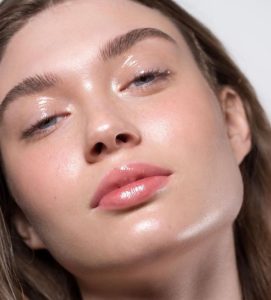
As Quinn wisely notes, it’s less about masking and more about bouncing the light. Lightweight, luminous bases — even a touch of fluid highlighter — give skin that coveted bounce that reads as youthful. A sheen applied strategically to cheekbones, brow bones, and the cupid’s bow mimics healthy skin structure.
From my clinic experience, patients with post-acne or hyperpigmentation benefit from this approach. Instead of caking on powder, we opt for skin-prepping serums (with vitamin C and peptides), light mineral concealer, and gentle cream blushes. The result is radiant — not painted.
Skin Preparation: Where Aesthetic Cosmetology Begins
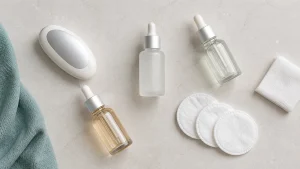
Every beautiful canvas starts with good prep. Before makeup touches the skin, we emphasize dermato-cosmetology classics:
- Thorough cleansing
- Serum and moisturizer application
- A primer tailored to skin concern (pore-minimizing, hydrating, or for redness/rosacea control)
- Daily SPF (essential, even under makeup!)
I’ve coached many clinic teams on pre-makeup facials — hydration masks, light red-light therapy, and ice roller massages — to wake up the skin before foundation. At home, massaging in skincare to boost circulation is a quick, free, and effective alternative.
Color Choices: Shades That Flatter, Not Fatten Birthdays
One of the biggest misconceptions is that maturity means neutral, subdued shades only. Quinn and countless analysts emphasize: pick hues that harmonize with your skin’s undertone, not against it. Soft peach, gentle rose blushes, and taupe or espresso eye shades lift the face. Even a hint of shimmer tastefully applied adds energy without exaggerating wrinkles.
During a consulting case in a large city clinic, we tested makeup palettes on patients post-procedure (including those recovering from laser/IPL). We found that pastel and gentle earthy tones both concealed post-procedure redness and brought a healthy flush, while deeply pigmented shades made post-procedure dryness more pronounced.
The Role of Modern Skincare Ingredients in Makeup for Mature Skin
Today’s formulations often include anti-aging superstars: hyaluronic acid for hydration, peptides to fortify, and antioxidants (like vitamin C) to brighten and protect. These aren’t just marketing gimmicks they genuinely help skin recover and stay resilient.
My personal favorite for patients: makeup primers and BB creams with built-in broad-spectrum SPF and a healthy dose of hyaluronic acid. For sensitive or rosacea-prone skin, mineral-based tints and fragrance-free formulas remain gold standard.
Tools of the Trade: From Brushes to Beauty Gadgets
Quinn’s advocacy for red-light masks and tools like under-eye patches echoes a growing trend in clinics, where we prep skin with gentle device-based therapies. Microcurrents, LED light, and light lymph-drainage massages boost circulation and calm sensitive skin before any product is applied. Even at home, a cool jade roller or gua sha can reinvigorate, reduce morning puffiness, and lay the groundwork for flawless makeup.
One anonymized case: A 49-year-old with chronic under-eye swelling saw rapid improvement in makeup application quality when she adopted a home cooling mask and nightly light retinol serum not only did her concealer smooth on better, her eyes looked brighter and more awake.
The Psychology of Makeup in Mature Years: Confidence and Well-being
Research shows that the impact of makeup isn’t only skin deep. Many of my clients, particularly those in midlife and beyond, report a boost in confidence and mood from adopting a routine tailored to their current skin needs. It’s a mindful beauty ritual: time spent caring for yourself, celebrating change — not hiding from it.
I encourage a wellness approach to beauty: take pleasure in the process, update your skincare checklist, and know that every brushstroke is an act of self-care.
The Golden Rules: Updating Your Makeup and Routine Over Time
Just as your skin changes, so should your product shelf. Ingredients break down, trends evolve, and what suited your coloring may no longer do you justice. A regular review at least yearly ensures you’re not working against yourself. Schedule a self-audit or, better yet, consult a dermato-cosmetologist who can match you with the season’s best and safest options.
A teaching moment I share with junior colleagues: Don’t let your clients cling to that signature look from 15 years ago. Beauty is about evolution, not stagnation.
Sensitive Skin, Post-Procedure Recovery, and Mature Makeup
After in-clinic treatments peels, lasers, even injectables the right makeup is essential to comfort and camouflage. My advice: stick with non-comedogenic, mineral-based products, avoid harsh silicones or fragrances, and let skin breathe with lightweight coverage.
Rosacea and sensitive skin? Go for green-tinted concealers and avoid alcohol-heavy setting sprays. Hydration — and a touch of SPF for day remain your best friends.
What This Means for the Industry — and for You
Mature skin deserves both respect and creativity. As both clinical evidence and professional artistry show, gone are the days of heavy camouflage. Instead, today’s approach is about skincare, luminosity, well-chosen color, and the support of modern, skin-friendly formulas.
For the aesthetic cosmetology industry, this means a shift: less anti-aging at all costs and more pro-confidence at every age. For the reader? Don’t fear shaking up your routine. Get curious, consult the experts, and above all have fun doing it. After all, as one wise patient told me: If I’m going to laugh at my crow’s feet, at least let them sparkle!
Need help with makeup for mature skin?
Leave a request and our specialists will contact you within 15 minutes — we’ll review your case and suggest a solution.
Get a consultation
Frequently Asked Questions
Common mistakes that age mature skin?
Heavy matte texture, over-powdering, poor placement.
How Dubai climate affects makeup?
Heat and AC dehydration alter wear and finish.
How prep skin before makeup?
Hydration, compatible SPF layering, smoothing prep.
Best foundation type?
Skin-like light-medium satin/dewy formulations.
Do treatments improve makeup wear?
Yes, improved skin quality enhances finish and longevity.
Medical disclaimer: This page is for informational purposes only and does not replace a medical consultation.
License statement: MED YU MED operates under DHA License 6589480.
Individual results caveat: Results vary by diagnosis, skin type, and individual response.