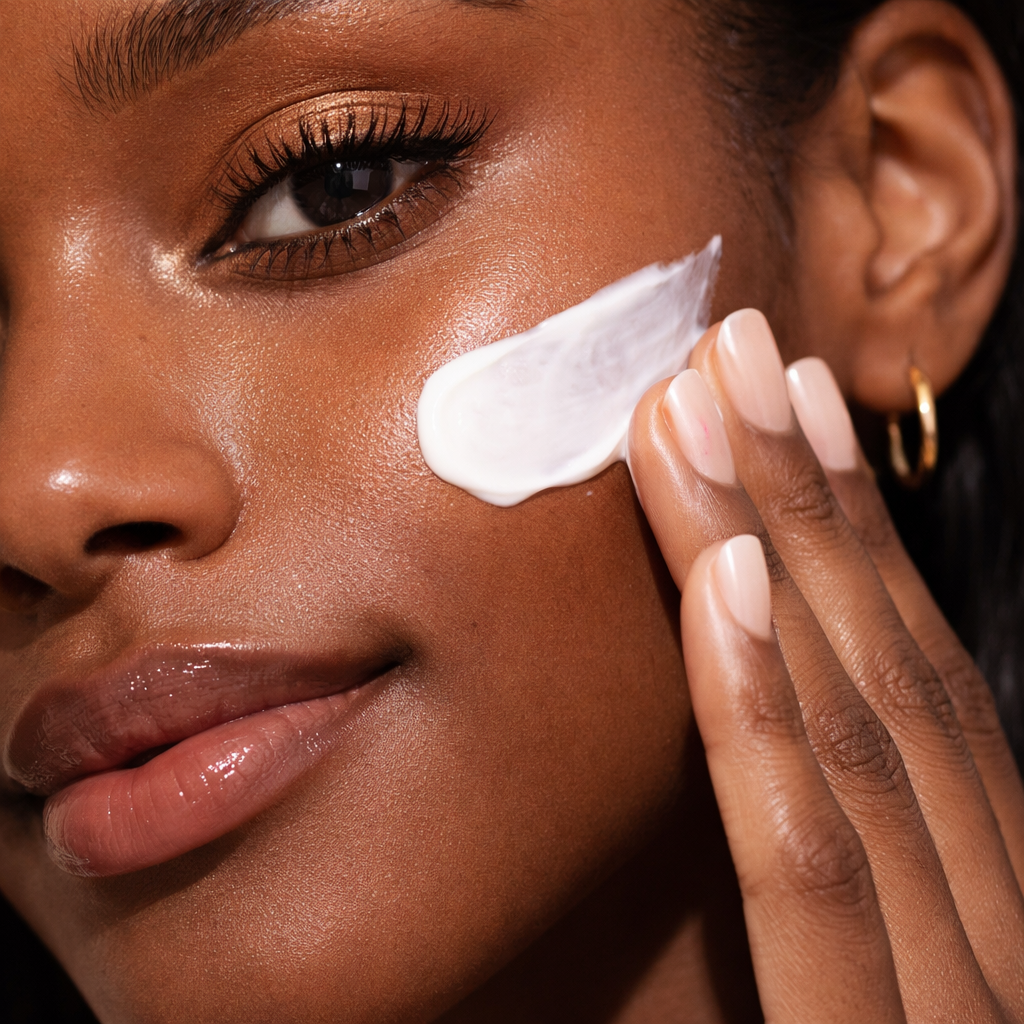
The beauty industry is experiencing a vibrant transformation this spring, with Black- and brown-owned brands paving the way for a more inclusive beauty landscape. As the season calls for a fresh start, these brands bring innovative products, clean ingredients, and a focus on the specific needs of melanin-rich skin into the limelight. Whether you’re a skincare enthusiast, a fan of anti-aging wonders, or searching for makeup that supports sensitive skin, exploring these diverse brands can help personalize your skincare routine. Let’s jump into how this move toward inclusivity is shifting industry standards, what real dermatology practice shows about these products’ claims, and why mindful beauty choices matter now more than ever.
The Rise of Inclusive Beauty: Not Just a Trend
In recent years, the media and marketplaces alike have spotlighted inclusive beauty. This spring, the focus turns to Black- and brown-owned beauty brands that reimagine what it means to care for our skin and our selves. These companies are moving beyond “trend-chasing” to put diversity, ethics, and expertise first, a shift seen every day in aesthetic cosmetology practices. We’ve watched a growing number of clients rediscover confidence and comfort by choosing products developed by founders who truly understand specific skin needs.
Why Black- and Brown-Owned Brands Matter for Skincare
So, why does this shift matter? Simply put: the skin needs of consumers aren’t one-size-fits-all. Formulas that perform wonderfully for paler skins might be too harsh or ineffective for those with deeper tones, especially when it comes to concerns like hyperpigmentation, acne, or sensitive skin. The news story features brands like Glo Melanin, Brownkind, and Topicals, all designed with melanin-rich complexions in mind. In our practice, patients with post-acne marks or post-procedure recovery routinely seek out products for even tone and gentle support, so having expertly crafted solutions is a true win.
Ingredients that Count: What’s Actually Effective?
A key theme in these standout brands is a commitment to clean, “skin-loving” ingredients: turmeric for brightening and soothing, Indian gooseberry for antioxidant power, and gentle, non-comedogenic bases that cater to even the most sensitive skin. Sound too good to be true? We’ve seen real improvement using similar botanicals as part of custom protocols for pigmentation and barrier repair, especially after device-based treatments like IPL or gentle laser resurfacing. Still, one reminder: “natural” doesn’t mean risk-free; always patch test new products!
Case Reflection: Hyperpigmentation Protocols for Melanin-Rich Skin
Let’s anonymize a real case: A patient struggled with uneven skin tone, dark spots post-acne, and mild irritation from conventional “brightening” serums. We switched to a protocol featuring botanical antioxidants, azelaic acid, and gentle exfoliants, plus a consistent SPF. Results? Within eight weeks, her tone visibly brightened, and inflammation dropped. The takeaway: formulas tailored for melanated skin, especially when supported by professional advice, deliver safer, more predictable outcomes.
Device-Based Cosmetology: Respecting Skin Diversity
With the flood of at-home gadgets and clinics promising “universal” results, how can we ensure safety for diverse skin? The brands highlighted in the news exemplify what’s missing from many devices: consideration for melanin. Often IPL and RF-lifting protocols are recalibrated to avoid hyperpigmentation and barrier disruption in deeper skin tones. Devices can deliver remarkable, gentle results: when paired with the right pre- and post-care, such as those from Brownkind or Glo Melanin.
Injectables and Sensitive Skin: What to Know
Procedures like botulinum therapy or mesotherapy aren’t just for fair, “ideal” faces. Increasingly, clients from all backgrounds are seeking injectables tailored to their needs. I’ve learned to modify protocols for those prone to post-inflammatory hyperpigmentation or keloids, sometimes incorporating hyaluronic acid-rich topicals post-procedure for safer recovery. Brands like Range Beauty, formulated for acne-prone and reactive skin, provide makeup that soothes instead of irritating — a real breakthrough for sensitive patients during recovery.
Makeup as Self-Care and Confidence: Beyond the Surface
Inclusive brands aren’t just about color-matching; they bring emotional resonance. LYS Beauty and Danessa Myricks Beauty, for instance, fuse skincare ingredients (like ashwagandha and retinol) into their formulas. Seen it work? Yes! One patient (self-conscious due to rosacea) began using a foundation packed with soothing botanicals. With the right base and supportive skincare, flare-ups fell and her self-confidence rebounded.
From Routine to Ritual: The Power of Scent and Texture
The news piece celebrates Billie Gene Body and Brown Sugar Babe for making body care a multi-sensory experience. It’s easy to underestimate how scent and texture affect our mood and discipline around wellness approach. “Little luxuries”, whether a fragrant SPF lotion or a whipped, nourishing body butter, can make daily skincare a ritual people stick with year-round.
How Inclusive Beauty Changes the Whole Industry
Historically, brands like Fenty Beauty and figures like Helena Rubinstein have reset the standards for diversity and science-driven formulas. MAC Cosmetics also made professional quality accessible and advocated for representation well before it was industry norm. Today’s Black- and brown-owned brands amplify these legacies with clinical expertise and peer-to-peer advocacy. It’s not just “politics;” the evidence shows rising demand for genuinely inclusive, high-performance solutions.
The Skincare Checklist: What’s Next for Mindful Beauty?
Here’s what to keep in mind when evolving your spring routine:
– Start with a clear-skin diagnosis (dermatologist or esthetician consultation).
– Choose products developed for your unique tone, texture, and needs, especially if you have acne, hyperpigmentation, or sensitive/reactive skin.
– Don’t skip SPF: melanin-rich skin is still at risk for pigment changes and premature aging.
– Remember: Rituals, not trends, provide the best results (and long-term self-confidence).
Need help with skincare for melanin-rich skin?
Leave a request and our specialists will contact you within 15 minutes — we’ll review your case and suggest a solution.
Get a free consultation
Disclaimer:
All advice here is general and does not replace a personalized consultation with a dermatologist. Always patch-test new products and consult before starting new device-based or injectable treatments.