


Published 8 January 2026 · Updated 19 August 2026
Medically reviewed by: the MED YU MED medical team (DHA-licensed physicians).
Last reviewed: May 2026
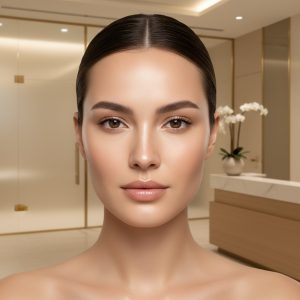
An even skin tone is not created by makeup & foundation. That’s mostly masking the true issue. It’s the result of internal skin processes. Microcirculation, pigment distribution, the density of deeper skin layers, and even low-grade inflammation – all play a role in exposing any problems with your skin tone.
In January in Dubai, skin faces a different kind of stress than in colder climates. Constant air conditioning, low indoor humidity, increased sun exposure, travel, late nights, and changes in daily routine can make uneven skin tone more noticeable. This is why many patients choose this time of year for a more systematic improvement in skin quality, rather than a quick fix.
What Does Uneven Skin Tone & Texture Actually Mean?
Uneven facial skin texture is a condition in which the surface of the skin loses its smoothness and elasticity, and bumps, flaking, or indentations begin to appear. This can develop as a result of scars, post-acne marks, enlarged pores, creases, wrinkles, and other textural changes. These changes form for various reasons related to lifestyle, as well as the overall quality and health of the skin.
Uneven skin tone is not limited to pigmentation spots. It includes a combination of visual and structural changes where skin looks inconsistent in color and light reflection. This can show up as redness, grey or yellow undertones, local dullness, post-inflammatory marks, or visible unevenness when exposed to light or when makeup is applied.
(
Uneven tone develops on several levels. On the surface, it is linked to irregular melanin distribution and slowed epidermal renewal. Deeper in the skin, impaired microcirculation means some areas receive less oxygen and nutrients. Chronic low-grade inflammation also plays a role and may result from acne, sun damage, aggressive treatments, or hormonal fluctuations. Moreover, with age, reduced collagen density and loss of elasticity further affect how light is reflected, making color variations more noticeable.
External and Internal Factors
External contributors include:
- Sun exposure, which is one of the leading causes of hyperpigmentation in Dubai
- Incorrect skincare, such as aggressive products, lack of hydration, or ignoring SPF
- Lifestyle habits, including smoking, alcohol consumption, dehydration, and prolonged screen time
- Stress and lack of sleep, which directly affect skin tone and circulation
Internal factors may include:
- Hormonal changes
- Skin conditions such as acne or rosacea
- Systemic health issues involving the digestive or endocrine systems.
Which Aesthetic Treatments Can Actually Help?
Effective correction of uneven skin tone requires addressing the cause, not just the visual discrepancies. In aesthetic clinics in Dubai, this often includes:
- Phototherapy for vascular and pigment-related concerns
- Laser treatments targeting sun damage and pigmentation
- Biorevitalisation protocols focused on skin hydration
While peels, facials, and cleansing treatments can improve texture and brightness, they mainly work on symptoms rather than underlying mechanisms.
A more comprehensive approach combines apparatus-based and injectable treatments, such as the protocol that pairs Genius RF-lifting microneedling with surface-level Exosome therapy .
Microneedling RF-lifting Genius delivers controlled radiofrequency energy through insulated micro-needles to precise depths in the dermis. This creates targeted thermal zones that stimulate collagen production, improve dermal structure, and normalise microcirculation without overheating the surface layers. As a result, persistent redness is reduced, dull and greyish undertones diminish, light is reflected more evenly, and irregularities such as scars, creases, and other contributors to uneven skin texture become smoother.

Exosome therapy enhances and directs this process. This is a regenerative treatment that promotes healing and rejuvenation. It contains growth factors which activate fibroblasts, accelerate tissue repair, and support higher-quality collagen formation. When exosome therapy is applied immediately after RF treatment or within the following days on a superficial level, inflammation is reduced, recovery is faster, and regeneration quality improves.
The synergy of these methods allows uneven skin tone to be corrected at its source. Microcirculation improves, vessels become more stable, and the dermal framework is strengthened, leading to long-lasting and stable results.

Recovery and Important Considerations
After treatment, mild redness and swelling may occur for 1-3 days. In Dubai, careful sun protection is essential, as UV exposure remains high year-round. Results develop gradually: early improvements appear within 2-3 weeks, with maximum effect forming by 6-8 weeks.
Procedures are not performed during active inflammation, pregnancy, or clotting disorders. Treatment parameters are always selected individually based on skin density and pigmentation patterns.
The period after the New Year celebrations is often an ideal time to begin a course of treatments. With a more flexible schedule and fewer social commitments, the skin can recover comfortably, allowing visible improvements to settle in well before the spring and summer season.
Frequently Asked Questions
What causes uneven tone and texture?
UV, AC dehydration, pollution, acne sequelae, hormones.
Best professional treatments?
Peels, RF microneedling, non-ablative lasers, hydration injectables.
Can home care fix it?
Mild cases may improve, persistent issues need clinic care.
How Fitzpatrick affects protocols?
Higher types need conservative settings to reduce PIH risk.
How many sessions needed?
Depends on severity and modality; usually treatment course needed.
Medical disclaimer: This page is for informational purposes only and does not replace a medical consultation.
License statement: MED YU MED operates under DHA License 6589480.
Individual results caveat: Results vary by diagnosis, skin type, and individual response.
Related articles

Medically reviewed by
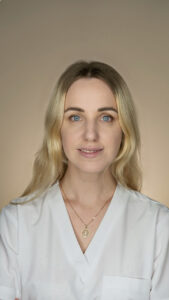
General Practitioner, Aesthetic Medicine Doctor, Dermatologist
DHA License No. 35044799-002
Chemical Peels at MED YU MED: prices
- ME Line - face1100 AED
- ME Line - face + home care2750 AED
- ME Line - intimate2200 AED
Treatment page and booking · full price list
The final protocol and cost are confirmed at an in-person consultation.


