Published 2 April 2026 · Updated 19 August 2026
This article was reviewed by the MED YU MED medical team (DHA-licensed physicians).
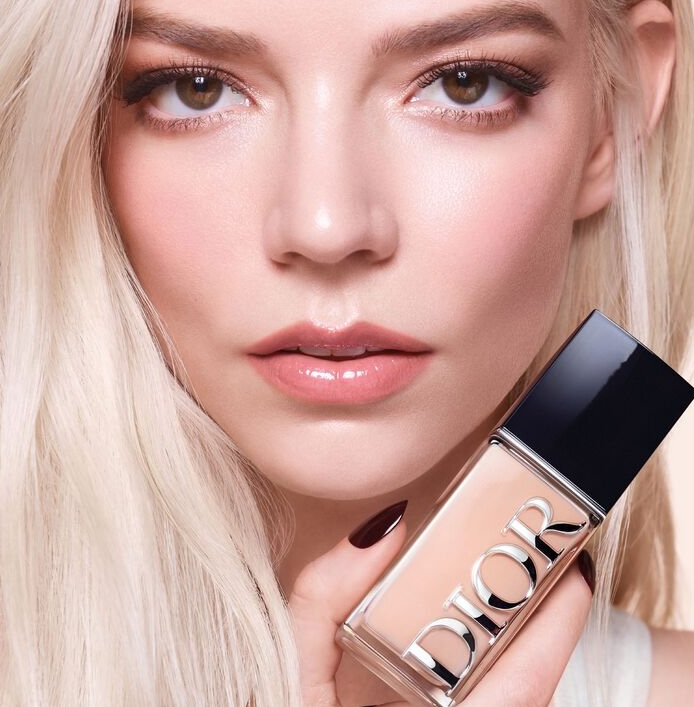
There’s a new buzz in the world of aesthetic cosmetology: Dior Beauty has released its innovative duo: Dior Forever Skin Wear and Dior Forever Skin Glow. Combining makeup artistry with high-performance skincare, these foundations promise not only a flawless finish but real dermal benefits. So why does this matter? Well, if you’re tired of having to choose between skin health and a camera-ready look or dreading clogged pores after long days, it sounds like the new Dior launches might offer the best of both worlds. Let’s take a dermatologist’s look at what truly sets this foundation apart, the science supporting it, real clinical cases, and what this shift means for the future of dermato-cosmetology.
Dior’s New Launch: The Foundation That Thinks Like Skincare
Dior Forever Skin Wear and Skin Glow hit the scene with two clear goals: lasting coverage and skin improvement. Formulated by Peter Philips, these foundations are not simply about masking imperfections. Infused with hyaluronic acid, niacinamide, peptides, and SPF, they bring together traditional foundation performance and advanced skincare protocols. It’s not just foundation; it’s (almost) a treatment plan in a bottle.
Both products come in an inclusive 45-shade range, using new-generation pigments to better serve diverse complexions, a move that welcomes everyone into the Dior Beauty fold.
The Science Inside: Hyaluronic Acid, Niacinamide, and Peptides
Let’s break down these ingredients from a wellness approach. Hyaluronic acid is a hydration power player, each molecule can bind an impressive amount of water, deeply moisturising the skin and supporting cell regeneration. No surprise, it’s a staple in modern anti-aging products, helping reduce fine lines and boost elasticity.
Peptides, meanwhile, are little chains of amino acids performing different “jobs”, some relax facial muscles to help with lifting, others ramp up collagen production, and some target hyperpigmentation. Their flexibility allows tailored solutions, ideal for personalized skincare.
Niacinamide (vitamin B3) is a true team player, compatible with hyaluronic acid, peptides, and other actives like ceramides. It combats inflammation, smooths texture, supports skin barrier health, and even helps minimise pores and redness (a boon for sensitive or rosacea-prone skin). However, keep in mind: mixing it with highly concentrated acids or pure vitamin C is a no-no due to potential skin irritation.
Matte or Glow: Finding Your Finish
Skin Wear goes for a modern matte, never chalky, with micro-powders and polymers to blur pores and resist shine without flattening facial features. It claims a 24-hour, non-migrating hold; ideal for marathon days, events, or the hot climate marathon known as “summer.”
Skin Glow is all about radiant luminosity, driven by a reflective oil core and high-coverage pigments. Its finish is fresh, subtle, and designed to mimic that fleeting post-facial clarity. Both promise buildable coverage that never “cakes”—a professional’s dream on set, and a relief for anyone with sensitive skin.
Inclusive Shades: Why Range Matters in Aesthetic Cosmetology
An extensive, balanced shade range isn’t just a trend. It’s essential in modern dermato-cosmetology. In consulting clinics, patients with deeper skin tones often share frustrations over mismatched products. Dior’s extensive palette, constructed through careful shade-matching and next-gen pigments, sets a new standard. Practice tip: always test foundation on the jawline in natural light for the best match, and remember, skin undertones matter as much as surface tone!
Real Clinic Case: A Patient with Post-Acne and a Photo-Ready Demand
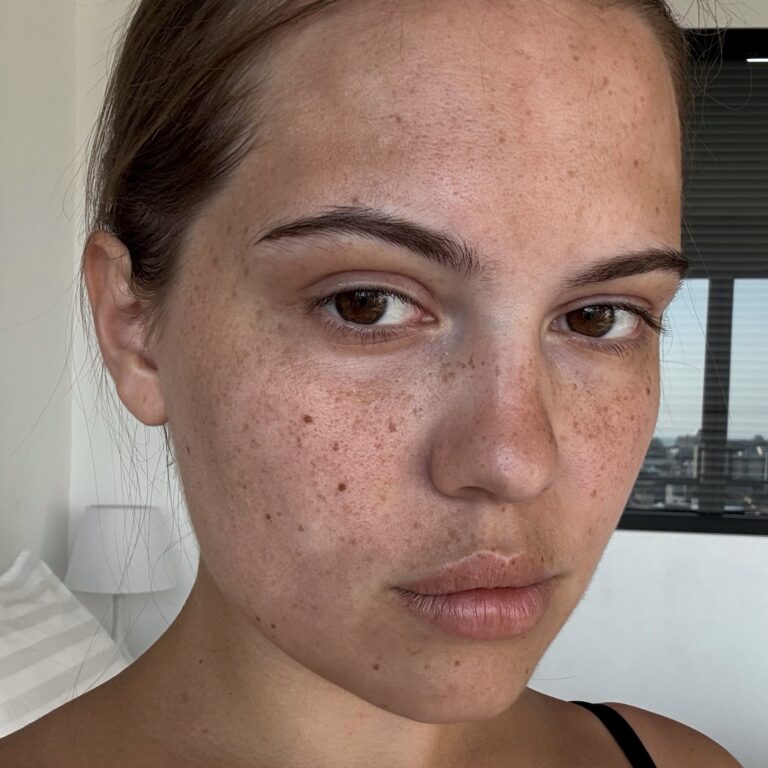
Recently, a client (let’s call her L.) visited our clinic after a major life event kicked off a fresh post-acne phase on her cheeks. She needed makeup for both daily and “red carpet” moments, yet feared masking would worsen breakouts. Our protocol began with barrier repair (using niacinamide and hyaluronic acid serums), followed by mesotherapy to stimulate healing. I recommended sampling a foundation with built-in skincare actives. “Feels like I’m wearing a serum with tint,” L. declared at her one-month follow-up, noting fewer breakouts and more confidence at public events.
Integrating Skincare Foundations in Clinic Protocols
When consulting clinics on updating equipment or protocols, the topic of skincare-infused makeup comes up more each year. The interest: less mask-like effect, more “bare skin, but better,” and fewer complaints about clogged pores post-procedure (think RF lifting or IPL/laser modalities). Now, clinics often carry curated makeup options, a best practice that helps with post-procedure recovery and supports the skin barrier while camouflaging redness or pigmentation.
A Brief History: Decorative Meets Functional
The concept of merging color with care isn’t new. Since the 1950s, brands have dreamed of multifunctional products. The difference today? Ingredient science now truly delivers results: lightweight, non-comedogenic textures and actives like retinol or hyaluronic acid that blur the line between “beautifying” and “healing.” It’s mindful beauty, skipping the trade-offs that once plagued foundations of the past.
Peptides: Multifunctionality in the Palm of Your Hand
Not all peptides are created equal, but the right blend can support anti-aging results, reduce expression lines, and brighten pigment spots. In clinical mentoring, I often tell junior colleagues that “a savvy peptide cocktail in your routine is like hiring a multitasking assistant: never complains, always gets the job done.” The take-home: peptide-infused foundations extend skincare benefits well beyond the visible.
SPF in Foundations: Not a Substitute, But a Helpful Backup
Both Dior Forever formulas contain SPF, a must-have in every routine. But remember, while SPF in foundations is a helpful addition, it shouldn’t replace your morning sunscreen. For clients with pigmentation or post-laser skin, layering protection is key: SPF moisturizer first, then your foundation.
Are These Foundations for You? Who Should (and Shouldn’t) Use
These formulas are ideal for those seeking “beauty and the barrier”: hydration, support, and coverage in one. However, those with active seborrheic dermatitis, open acne lesions, or severe allergic histories should patch-test or opt for simpler, fragrance-free options. As with all new additions, listen to your skin (and your dermatologist).
What This Means for the Industry and for You
The days when foundation simply covered up skin are over; it now actively cares for it. As we continue to mentor new cosmetologists and update clinic protocols, innovations like Dior’s make the prospect of “treatment makeup” not just possible but essential. For clients and professionals alike, it’s a welcome evolution: one less layer to worry about, and one big leap for mindful beauty.
Need help with building your skincare?
Leave a request and our specialists will contact you within 15 minutes — we’ll review your case and suggest a solution.
Get a consultation
Related reading
Frequently Asked Questions
Do hybrid foundations deliver skincare benefits?
They may provide limited support but cannot replace dedicated skincare.
Is foundation SPF enough in Dubai?
No, separate broad-spectrum SPF 50+ is still required.
Can foundation worsen acne?
Yes, especially with comedogenic formulas and poor removal.
What concerns can hybrid foundations address?
Mostly surface hydration, finish smoothness, and supplemental SPF.
How choose foundation for Dubai climate?
Match texture to skin type/climate and always layer over SPF.
Medical disclaimer: This page is for informational purposes only and does not replace a medical consultation.
License statement: MED YU MED operates under DHA License 6589480.
Individual results caveat: Results vary by diagnosis, skin type, and individual response.