Published 23 February 2026 · Updated 19 August 2026
Reviewed by the MED YU MED medical team (DHA-licensed physicians). Consumer device mentions are educational only.
At-home laser and LED devices are becoming the “hair dryers” of the modern skincare routine—essential, beloved, and yes, increasingly high-tech. Recent buzz around Elizabeth Hurley’s use of the LYMA Laser Pro to fade sun damage has reignited conversation about what these gadgets truly offer. With claims of reducing pigmentation, fine lines, and reviving skin radiance, it’s time to separate the science from the celebrity sparkle. As an aesthetic medicine doctor and consultant in aesthetic cosmetology, I’ll review the latest news, real cases from my practice, and what all this means for your daily skincare routine.
What’s New: Why Everyone’s Talking About At-Home Laser Devices
The news spotlights actress Elizabeth Hurley, who claims real improvements in sun damage on her hands and face after three months using the LYMA Laser Pro, a clinical-grade cold laser. Beauty editors and a parade of celebrities—Sienna Miller, Gwyneth Paltrow, Victoria Beckham—sing its praises for smoothing fine lines, fading pigmentation, and boosting “glow.” The allure? Professional-level results at home, with portability, painless use, and treatments as short as three minutes. But does the science match the shine?
How At-Home Laser and LED Devices Work
These gadgets harness light at specific wavelengths, triggering biological responses in skin cells. Red light therapy stimulates collagen and soothes inflammation, while lasers and LEDs at various wavelengths target everything from acne to hyperpigmentation. Devices like the LYMA Laser Pro use “cold laser” technology—meaning non-ablative and safe for home use—to promote skin health and anti-aging without downtime.
The Evolution of Laser Therapy in Dermatology
Laser’s journey—from its 1960s blood-oxygenation experiments to today’s sophisticated, targeted tools—has transformed dermato-cosmetology. We now have a spectrum of therapies spanning UV to near-infrared, plus cutting-edge advances like fractionated resurfacing and robotic systems promising unprecedented precision .
In My Clinic: Real Results, Real Patients
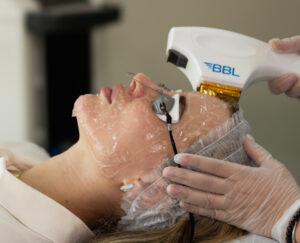
One of my patients, a 44-year-old teacher named “Anna,” had classic signs of sun damage: pigmentation and roughness, predominantly on her cheeks and hands. Her protocol combined in-clinic IPL and mesotherapy with adjunct at-home red light therapy (a device she could use while watching her favorite show—sound familiar?). Over six months, Anna saw gradual fading of brown spots and noticeable improvement in skin texture. The magic? Consistency, professional guidance, and a healthy dose of patience.
Consulting Insights: How I Choose Devices for Aesthetic Clinics
When advising a clinic on new equipment, I look for clinical validation, broad utility (acne, melasma, post-acne, rosacea), and safety features. Some patients love home devices for maintenance between visits; I always vet brands for research and transparency. In one consulting case, selecting an LED/laser platform meant balancing market demand for anti-aging with robust safety, training, and even device ergonomics—because nobody wants “biceps” from an hour-long handpiece workout!
Home Use vs. Clinical Results: What’s Realistic?
It’s essential to manage expectations. Clinic lasers are powerful, often requiring physician oversight—think fractional RF lifting, vascular lasers, or high-fluence resurfacing. At-home tools work at lower energies, safe enough for non-professionals, but results are slower and subtler. Still, with daily or near-daily use, cumulative improvements (like fading mottled pigmentation or boosting glow) are absolutely possible, especially as part of a skincare checklist combining SPF, antioxidants, and gentle actives.
Laser Therapy Beyond the Face: Hair, Hands, and More
Modern devices address not just facial issues but also thinning hair—low-level laser therapy (LLLT) at home can help stimulate follicles in cases of mild alopecia. Pigmentation and texture on the hands (“age spots”)—a classic giveaway of sun exposure—respond to regular light-based therapy. In my practice, I encourage patients to treat face, neck, décolleté, and hands together for a uniform result. The best outcomes pair device-based cosmetology with lifestyle tweaks (think sun hats and daily SPF).
Troubleshooting: Sensitive Skin, Rosacea, and Recovery
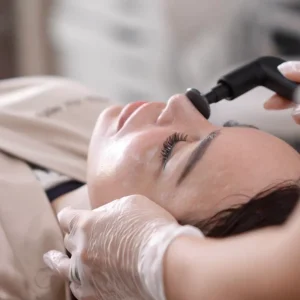
Not every skin type welcomes intense light therapy. For sensitive skin or rosacea, I recommend starting with devices offering low-fluence settings and blue or red light, which are less likely to cause flare-ups. Recovery after in-clinic procedures can absolutely benefit from home red or near-infrared LED—many of my post-laser patients show speedier healing and reduced irritation when supplementing with home tools.
Myth-Busting and Must-Knows for Safe Use
Let’s set realistic expectations. No at-home device “erases” deep wrinkles or delivers overnight miracles. What you can expect is gradual, cumulative improvement in skin tone, a boost in radiance, and a more even texture. Avoid using these tools on irritated or broken skin, and always combine with a skincare basic: high-quality SPF every morning.
The Future of Light-Based Beauty: What’s Next?
Exciting times ahead! We’re seeing promise from machine learning, robotic laser systems offering uniform treatments, and smarter, safer devices for real-world home use . Imagine a world where your beauty gadget not only tracks progress but auto-adjusts for your unique skin—no subscription required.
A Derm’s Takeaway: Should You Invest?
If you value consistency, crave a simple (“I use it while I watch TV”) ritual, and can invest in quality, at-home lasers and LEDs can help. Combine with clinic visits, mindful sun protection, and patience for best results. Think of these as fitness for your skin—a marathon, not a sprint. And as always: before starting new devices, consult your dermato-cosmetologist to find your ideal protocol.
Need help with at-home laser and LED skincare devices?
Leave a request and our specialists will contact you within 15 minutes — we’ll review your case and suggest a solution.
Get a consultation
Related reading
Frequently Asked Questions
What consumer light devices exist?
LED panels, consumer IPL, low-level laser and low-power RF categories.
Are home devices safe in Dubai?
Generally with proper use, but risk rises with wrong skin match/UV context.
How compare to professional treatments?
Home devices are lower power with milder, slower results than clinic IPL/BBL.
Limitations for hyperpigmentation?
Lower precision and energy may be insufficient and can worsen PIH if misused.
When choose clinic over home?
For moderate-severe issues, higher-risk skin types, or failed home protocols.
Medical disclaimer: This page is for informational purposes only and does not replace a medical consultation.
License statement: MED YU MED operates under DHA License 6589480.
Individual results caveat: Results vary by diagnosis, skin type, and individual response.
Related articles
Medically reviewed by