Published 16 October 2026
The short answer
It may improve skin quality, and the research is still young. PDRN (polydeoxyribonucleotide) is a preparation made of DNA fragments. It is studied together with a related group called polynucleotides. Randomised trials report better hydration, elasticity and texture than placebo.
The reviews below cover polynucleotide and PDRN products as a group. Preparations differ from each other, and a result for one does not automatically apply to another. PDRN does not lift sagging skin or replace volume, and it does not treat skin disease.
How PDRN is thought to work
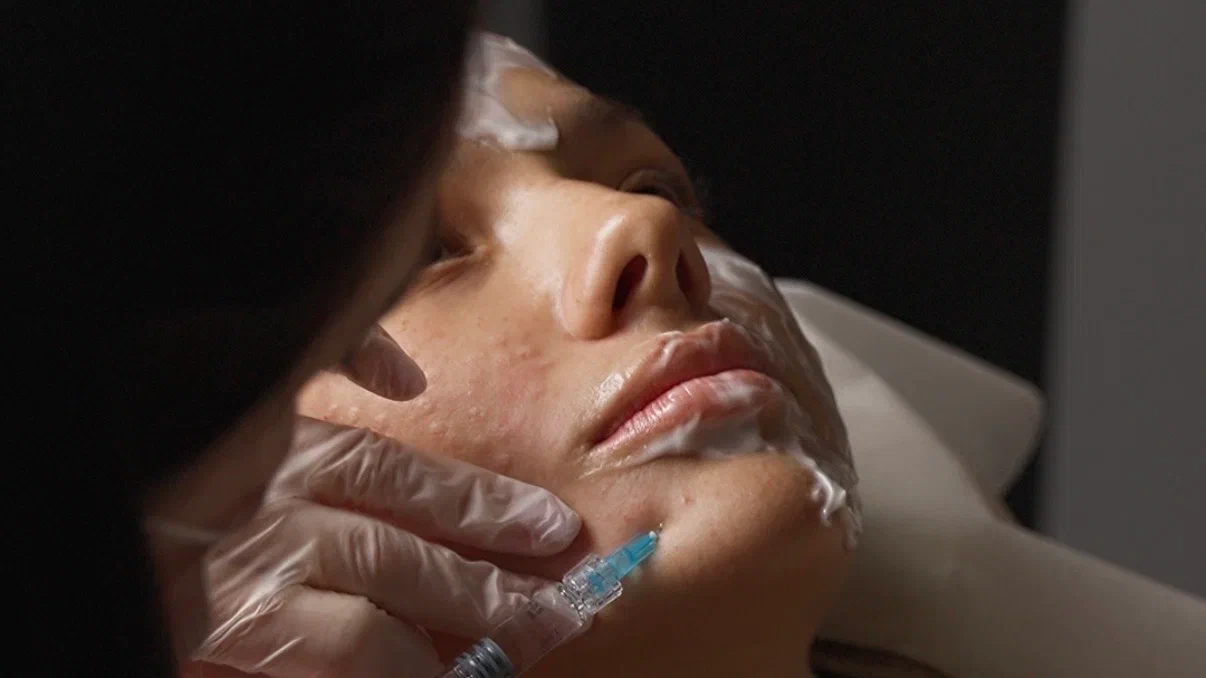
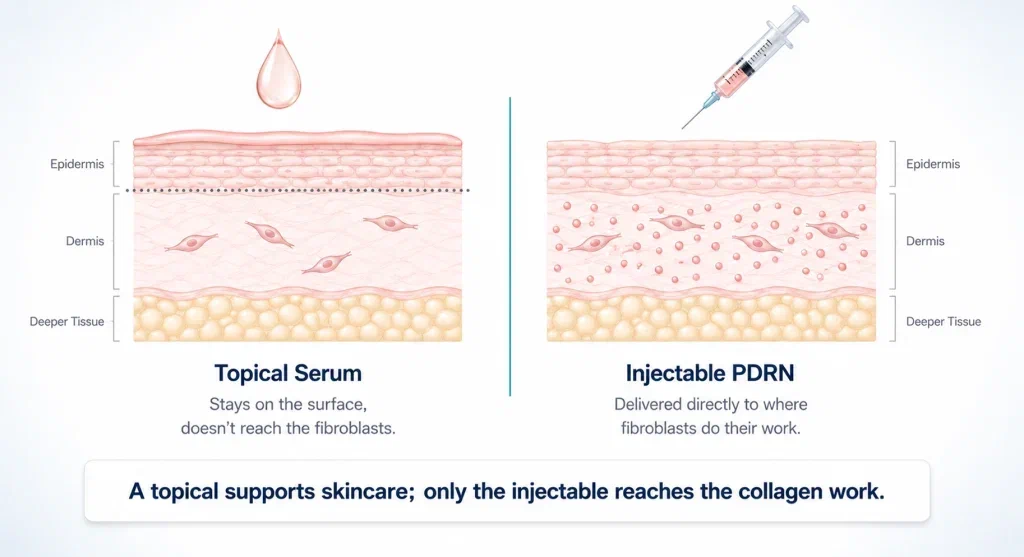
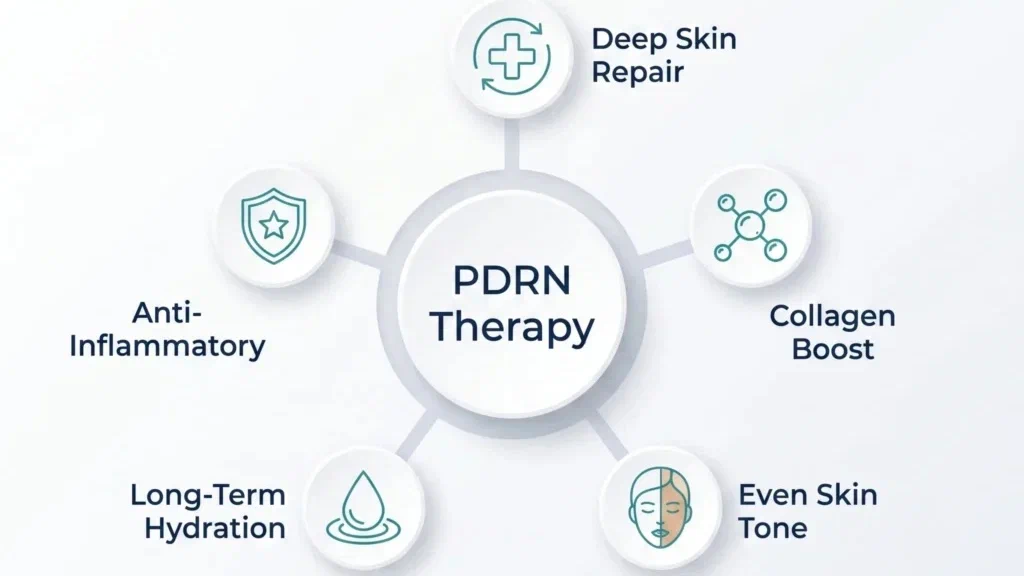
PDRN is given by injection into the skin. A review of the field notes that polynucleotides are mainly extracted from fish testes (Kim, 2025). The same review summarises laboratory studies reporting that these fragments stimulate skin fibroblasts, promote new blood vessel growth and have an anti-inflammatory effect.
Most of that comes from cells and animals. In one study on genetically diabetic mice, PDRN stimulated blood vessel growth and wound healing (Galeano et al., 2008). Mouse results are a reason to run human trials.
What the research shows
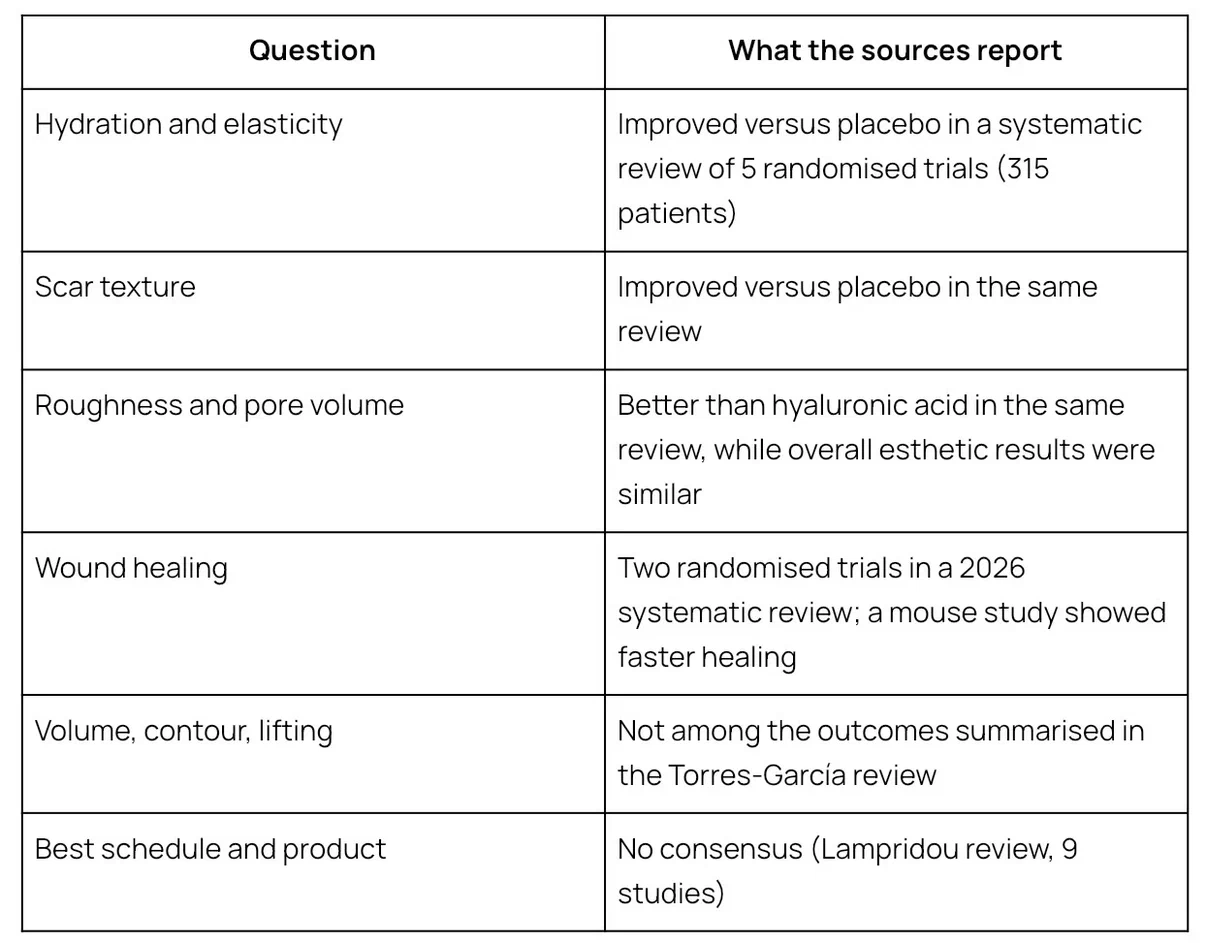
A systematic review and meta-analysis of five randomised trials, with 315 patients in total, found statistically significant improvements over placebo in scar texture, dermal elasticity and hydration (Torres-García et al., 2026). The five trials were small, and the review’s authors call for larger, standardised studies.
A separate systematic review of nine studies on polynucleotides in esthetic medicine reported limited consensus on optimal use. It asked for rigorous, high-quality studies to confirm effectiveness and safety (Lampridou et al., 2025).
A 2026 systematic review looked only at randomised trials of polynucleotides and PDRN. It found seven: four on skin rejuvenation, one on postoperative scar prevention and two on wound healing (Alhussain et al., 2026). Though, seven trials is a small base for firm conclusions.
How PDRN compares with hyaluronic acid skin boosters
Hyaluronic acid skin boosters are the closest established comparison. In the Torres-García review, polynucleotides gave similar overall esthetic results to hyaluronic acid and did better on roughness reduction and pore volume. A meta-analysis pooling two of the trials found no significant difference. The abstract does not give the pooled sample size.
So the honest reading is that no significant overall difference was found, and the pore and roughness findings come from individual trials. Read together, the data don’t show that one material outperforms the other across the board. The two are different materials, and the choice is made at a consultation based on your skin.
Safety in the trials
The five trials in the Torres-García review reported only mild, transient adverse events and no serious complications. With 315 patients, rare problems could still go unseen. As with any injection, bruising, swelling and tenderness at the injection points can happen, and infection is possible.
Who it may suit and who it may not
PDRN is discussed for skin that has lost quality: dull, dehydrated, rough or finely textured, with its shape still intact. Sagging, flattened cheeks or lost projection are structural problems, and the doctor will usually point you to a different route.
It is not performed during pregnancy and breastfeeding. It is also not performed over active skin infection, inflammation or herpes at the injection site. Other reasons to hold off are a known allergy to the product’s components, bleeding disorders or anticoagulant therapy without a doctor’s assessment, autoimmune or uncontrolled chronic conditions without the same, and a tendency to keloid scarring. This list is not exhaustive, and final suitability is determined by a clinician at an in-person assessment. Because polynucleotides are mainly fish-derived, tell the doctor about any allergy to fish or fish products.
What happens during a session
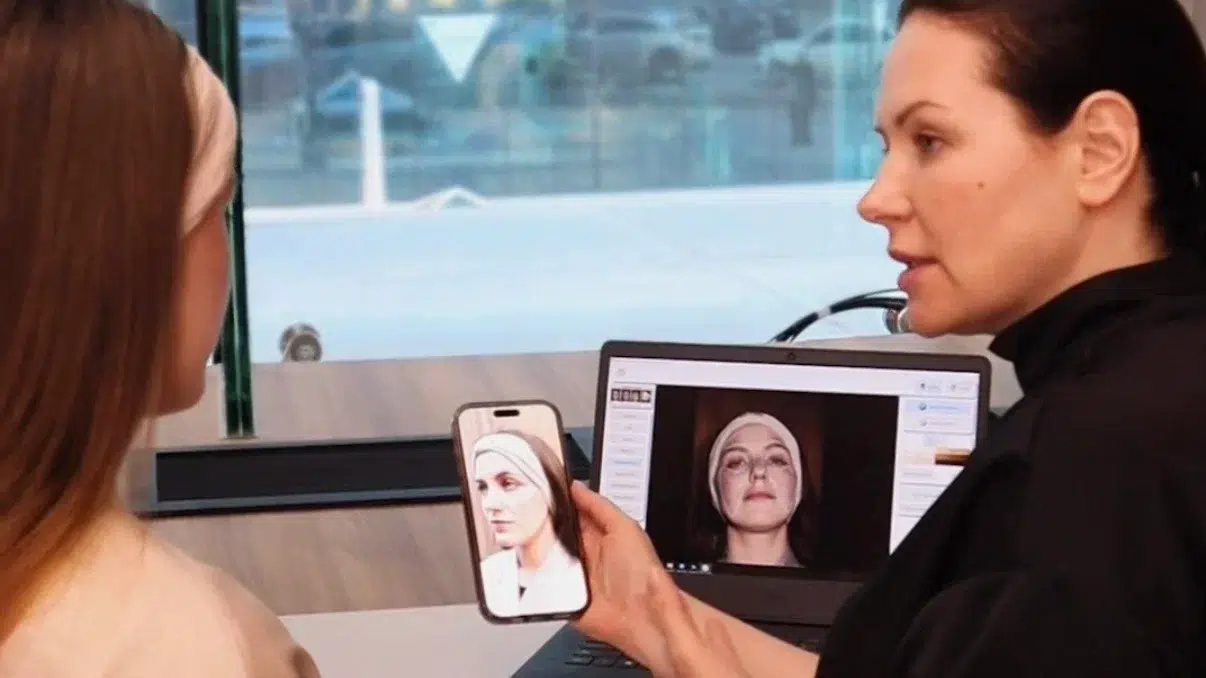
The doctor examines the skin, asks about your history, medication and previous treatments, and explains what the evidence can and cannot promise for your concern. The injections are placed in the skin itself, usually across the area rather than in one spot. Mild redness and small bumps at the injection points are common and usually settle on their own.
The number of sessions and the interval between them are set by the doctor. The sources above do not agree on a standard course, and none of them settles how long results last. Expect maintenance rather than a one-off fix.
When the problem needs a diagnosis first
A skin quality treatment does not treat disease. See a dermatologist before any injectable if you have breakouts that return monthly, redness or flushing that stays, pigmentation that deepens, or scars that are thickening. These can have medical causes, and treating the surface first only delays the answer.
What MED YU MED offers
MED YU MED offers biorevitalisation and mesotherapy for skin quality, and a dermatology consultation to decide whether either one fits. The doctor chooses the preparation after examining your skin. The evidence in this article covers polynucleotide and PDRN products as a group, not any single product used in the clinic. What is known about a specific preparation is discussed at the consultation.
When to seek medical care
Call MED YU MED on +971 52 184 5011, daily 10:00-22:00, if redness spreads rather than settles, if the skin blisters or breaks, if pain grows after the first day, or if a fever follows a session. Swelling of the lips, tongue or face, or trouble breathing after an injection, needs emergency care at once. Go to the nearest emergency department or call 998 for an ambulance. The clinic does not operate 24 hours.
Frequently asked questions
Is PDRN the same as a hyaluronic acid skin booster?
No. PDRN is made of salmon DNA fragments, and hyaluronic acid is a different molecule. Randomised trials have compared the two. The Torres-García review found similar overall results, better roughness and pore volume results for polynucleotides, and no significant difference in a meta-analysis of two trials.
Does PDRN help acne scars?
The Torres-García review reported better scar texture than placebo. The Alhussain review included one randomised trial on postoperative scar prevention. Scars differ in type and depth, so the treatment plan is made by a doctor after examination.
How many sessions are needed?
The course is set individually by the doctor after an in person consultation.
How long do results last?
None of the sources cited here establish iconcrete timeframes. Ask the doctor what to expect for your skin.
Can PDRN be combined with other treatments?
That is the treating doctor’s decision, including the order and the interval.
Is PDRN suitable if I have a fish allergy?
Polynucleotides are mainly fish-derived, so tell the doctor before any treatment. The doctor will decide whether it can go ahead.
What to read next
????
References
- Torres-García SY, Vásquez-Tirado GA, Bardales-Zuta VH, Torres-García GP, García-Pablo NR, Zarate-Gamarra MA, et al. Efficacy and safety of polynucleotides in esthetic medicine: a systematic review and meta-analysis. Piel. 2026. doi:10.1016/j.piel.2025.09.005 (https://doi.org/10.1016/j.piel.2025.09.005)
- Lampridou S, Bassett S, Cavallini M, Christopoulos G. The effectiveness of polynucleotides in esthetic medicine: a systematic review. J Cosmet Dermatol. 2025. doi:10.1111/jocd.16721 (https://doi.org/10.1111/jocd.16721)
- Alhussain AM, et al. Polynucleotides and polydeoxyribonucleotides for skin rejuvenation, postoperative scar prevention, and wound healing: a systematic review of randomized clinical trials. Cureus. 2026. doi:10.7759/cureus.112403 (https://doi.org/10.7759/cureus.112403)
- Kim ST. Comparison of polynucleotide and polydeoxyribonucleotide in dermatology: molecular mechanisms and clinical perspectives. Pharmaceutics. 2025. doi:10.3390/pharmaceutics17081024 (https://doi.org/10.3390/pharmaceutics17081024)
- Galeano M, Bitto A, Altavilla D, et al. Polydeoxyribonucleotide stimulates angiogenesis and wound healing in the genetically diabetic mouse. Wound Repair Regen. 2008. doi:10.1111/j.1524-475X.2008.00361.x (https://doi.org/10.1111/j.1524-475X.2008.00361.x)
Medical disclaimer: This page is for informational purposes only and does not replace a consultation with a licensed physician. It does not recommend or prescribe any prescription-only medicine.
License statement: MED YU MED operates under DHA License 6589480.
Individual results caveat: Results vary by diagnosis, anatomy, product used and individual response, and no outcome is guaranteed.
MEDICALLY REVIEWED BY
- Alina Lebedeva
General Practitioner, Aesthetic Medicine Doctor, Dermatologist
DHA License No. 35044799-002